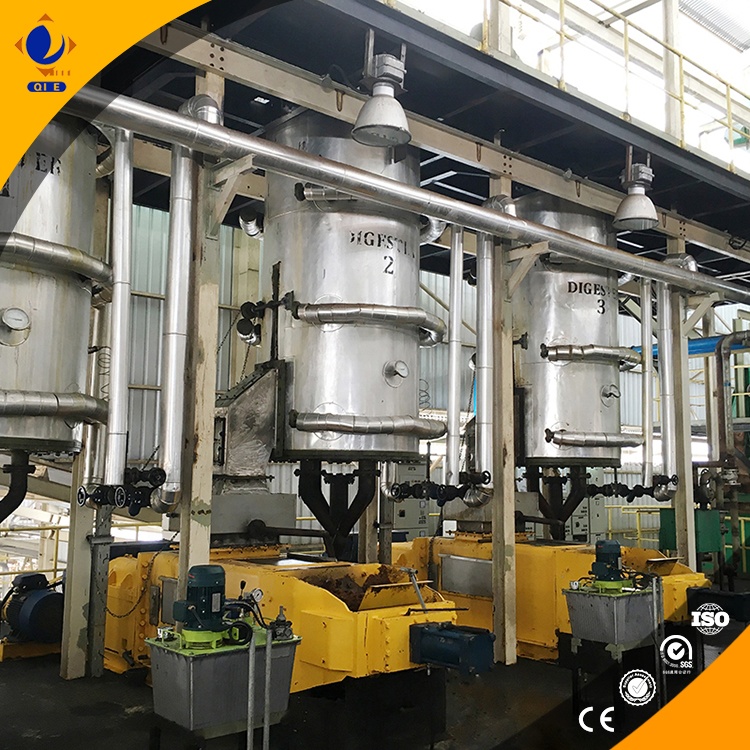
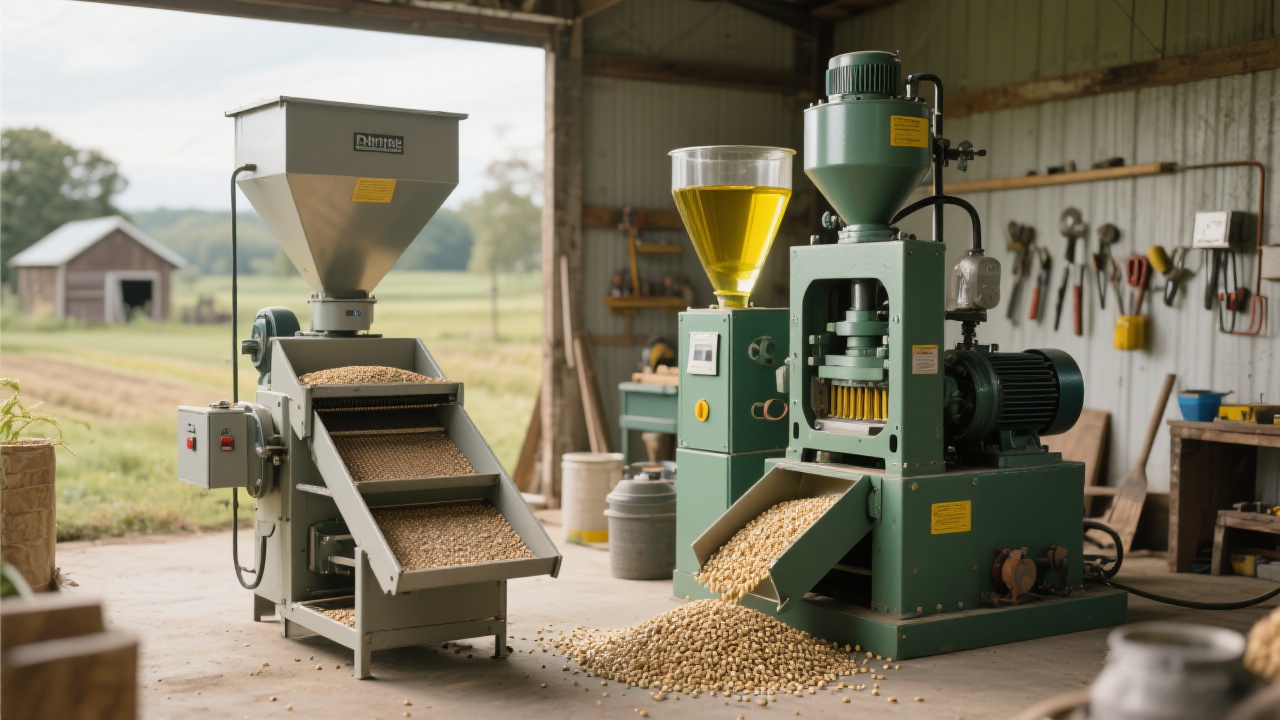
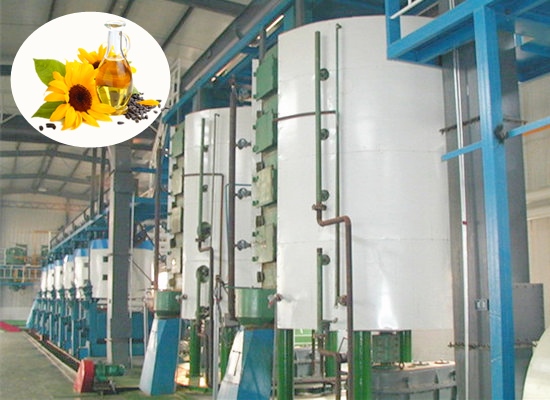
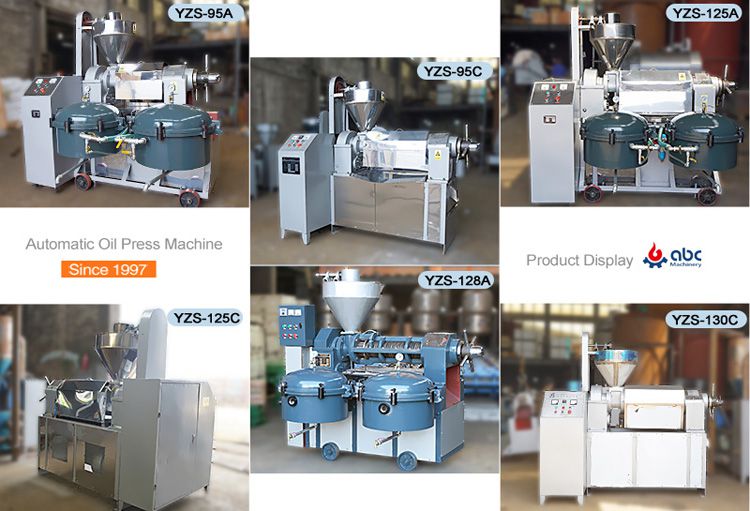
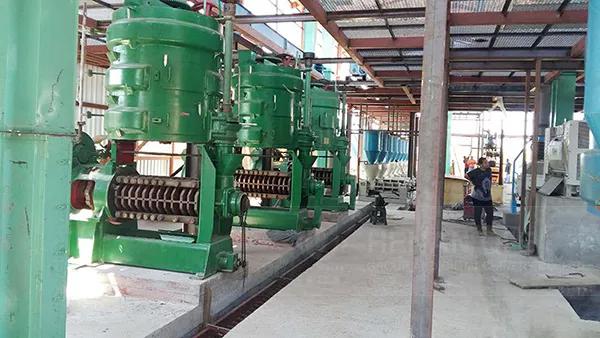
In the oil processing industry, the first crucial step for medium-sized screw oil presses - raw material cleaning and crushing control - directly impacts subsequent pressing efficiency and oil quality. This article delves into the practical key points of pre - treatment of common oilseeds such as sunflower seeds and sesame seeds. From screening and impurity removal, particle size control to steamming and roasting parameter optimization, we'll guide you step - by - step to avoid common problems like material blockage and high oil content in oil residues, and help small and medium - sized oil mills establish standardized operating procedures (SOP) to improve the stability of the whole - line operation and oil yield.
Raw material cleaning is the foundation of the entire oil extraction process. By using methods like screening, magnetic separation, and impurity removal, we can effectively remove various impurities in the oilseeds. For example, screening can remove larger debris, while magnetic separation can separate out metal impurities. According to industry statistics, proper raw material cleaning can reduce the wear of the oil press by about 20% and improve the subsequent pressing stability.
Different oilseeds, such as sunflower seeds and sesame seeds, have different optimal crushing particle sizes. Sunflower seeds are relatively large and hard, and a coarser particle size of about 2 - 3mm can ensure better oil - exit channels during pressing. On the contrary, sesame seeds are small and soft, and a finer particle size of about 1 - 2mm can increase the surface area in contact with the pressing mechanism, thereby improving the oil yield. Research shows that the correct control of particle size can increase the oil yield by 3% - 5%.
The steaming and roasting stage is a key link to improve the oil yield. The moisture content in the oilseeds should be controlled within 8% - 12%, the temperature should be maintained at 100 - 120°C, and the roasting time is generally about 20 - 30 minutes. Through the balance of these three elements, the structure of the oilseeds can be optimized, and the oil can be more easily separated. Many studies have confirmed that scientific steaming and roasting can increase the oil yield by about 5% - 7%.
During the operation of the oil press, problems such as screw blockage and local overheating may occur. For screw blockage, it is necessary to stop the machine in time, clean the feeding hopper and the screw, and check the particle size of the raw materials. When local overheating occurs, adjust the cooling system in time to ensure the normal operation of the equipment.
Establishing an SOP can ensure the standardization and reproducibility of the pre - treatment process. Record data such as the input amount of raw materials, cleaning time, crushing particle size, and steaming and roasting parameters every day, and continuously adjust and optimize these parameters based on the oil yield and quality. This can gradually improve the overall efficiency of the oil mill.
In some oil mills, due to improper pre - treatment, problems such as low oil yield, high oil content in residues, and frequent equipment failures have occurred. For example, a small - scale oil mill did not properly control the particle size of sunflower seeds, resulting in an oil yield that was 8% lower than the industry average. After adjusting the crushing process and strictly controlling the particle size, the oil yield gradually returned to normal.
"The pre - treatment process is the key to the success of oil extraction. Every step, from raw material cleaning to steaming and roasting, needs to be carefully controlled. Only in this way can we achieve high - quality and high - yield oil production." - Dr. John Smith, an oil processing expert.
If you want to learn more about pre - treatment techniques or obtain a free SOP template, click here to find out. We also welcome you to leave your questions and comments below, and let's discuss the best ways to improve oil quality together.

 71
|
71
|
 oilseed preprocessing equipment
high-efficiency plant oil production solutions
customized oilseed processing technology
oilseed preprocessing equipment
high-efficiency plant oil production solutions
customized oilseed processing technology
 497
|
Multifunctional Spiral Hot And Cold Oil Press
Spiral Oil Press
Hot and Cold Oil Press
Oil Extraction Equipment
Commercial Oil Press
Oil Press Machine for Seeds
High Efficiency Oil Press
Durable Oil Press Machine
Cold Press Oil Machine
Hot Press Oil Production
497
|
Multifunctional Spiral Hot And Cold Oil Press
Spiral Oil Press
Hot and Cold Oil Press
Oil Extraction Equipment
Commercial Oil Press
Oil Press Machine for Seeds
High Efficiency Oil Press
Durable Oil Press Machine
Cold Press Oil Machine
Hot Press Oil Production
 76
|
["efficient hydraulic oil press"
"plant seed oil extraction equipment"
"eco-friendly oil press machine"
"automatic hydraulic oil press"
"oil press selection guide"]
76
|
["efficient hydraulic oil press"
"plant seed oil extraction equipment"
"eco-friendly oil press machine"
"automatic hydraulic oil press"
"oil press selection guide"]
 41
|
Hydraulic Press
High-Efficiency Hydraulic Press
Petroleum Equipment Hydraulic Press
Oil Pressing Solutions Hydraulic Press
Sturdy Hydraulic Press for Oil Yield
Automatic Hydraulic Press System
Hydraulic Press for Small Enterprises
Oil Processing Hydraulic Press
Hydraulic Oil Press Machine
41
|
Hydraulic Press
High-Efficiency Hydraulic Press
Petroleum Equipment Hydraulic Press
Oil Pressing Solutions Hydraulic Press
Sturdy Hydraulic Press for Oil Yield
Automatic Hydraulic Press System
Hydraulic Press for Small Enterprises
Oil Processing Hydraulic Press
Hydraulic Oil Press Machine
 144
|
Penguin oil press equipment
efficient oilseed processing
eco-friendly oil extraction
oil press machine solution
after-sales support for oil presses
144
|
Penguin oil press equipment
efficient oilseed processing
eco-friendly oil extraction
oil press machine solution
after-sales support for oil presses