Technical Knowledge | Awareness Stage
For many small and mid-sized oil mills, the “best” hydraulic press is not the biggest one—it’s the one that holds pressure steadily, runs predictably across seed batches, and stays serviceable for years. This guide breaks down the structural design, hydraulic system performance, and automation controls that matter most when selecting small-to-mid plant seed hydraulic pressing equipment, with practical benchmarks used by process engineers and production managers.
Buyers often start with one visible symptom—low yield, inconsistent cake hardness, frequent stoppages—then discover the issue is rarely “the seed.” In most cases, it’s a mismatch between press design and real operating conditions: moisture variation, temperature drift, mixed impurities, and operator skill differences.
Typically linked to unstable pressure holding, insufficient dwell time control, or inconsistent preheating/conditioning. Hydraulic systems with wider pressure ripple can reduce effective extraction—especially on sesame, peanut, and sunflower where fiber and hull ratio vary.
Manual valve tuning and unrepeatable timing lead to over-pressing (higher wear, darker oil) or under-pressing (lower yield). A well-designed automatic control hydraulic press reduces dependency on individual experience.
Often caused by poor seal quality, hose routing stress, contamination in hydraulic oil, or frame deformation over time. These are design and maintenance issues—not “inevitable.”

In small-to-mid capacities, the press frame and chamber design determine whether pressure is delivered evenly or wasted through deformation and misalignment. When a press “feels strong” but still produces inconsistent cake density, structural rigidity is often the hidden variable.
Reference benchmark (field practice): For common seeds (sesame, peanut, sunflower), mills typically aim for 8–12% residual oil in cake under hydraulic pressing when conditioning is stable. If cake oil content swings beyond ±2% across batches, it’s usually a sign to review pressure holding, dwell control, and pre-treatment—not just “press harder.”
Many buyers compare presses by maximum pressure or tonnage. In real production, continuous stable pressure output is what improves extraction and protects components. The hydraulic system is also where energy efficiency and long-term service cost are decided.
| Hydraulic Spec | Practical Target Range | Why It Matters in Oil Pressing |
|---|---|---|
| Pressure stability (ripple) | Within ±1–2% during holding stage | More stable holding improves oil drainage and cake uniformity; reduces over-press/under-press swings |
| Holding time control | Programmable; repeatable within ±3–5 s | Repeatability is key when seed moisture varies; supports SOP-driven production |
| Hydraulic filtration | At least 10–25 μm with routine service plan | Cleaner oil reduces valve sticking and pump wear; extends seal life and lowers leakage risk |
| Oil temperature control | 35–55°C typical stable window | Overheating accelerates oil oxidation, viscosity loss, and seal damage; affects pressure stability |
| Energy efficiency design | Servo/variable drive preferred for fluctuating loads | Commonly reduces power waste by 15–30% in intermittent duty cycles (site-dependent) |
A reliable system is not only about the pump. Valve quality, cylinder sealing, hose layout, and reservoir design all influence pressure smoothness. When buyers ask how to increase oil yield, the best answer is often: make pressure holding predictable and repeatable, then standardize seed conditioning and cycle timing.
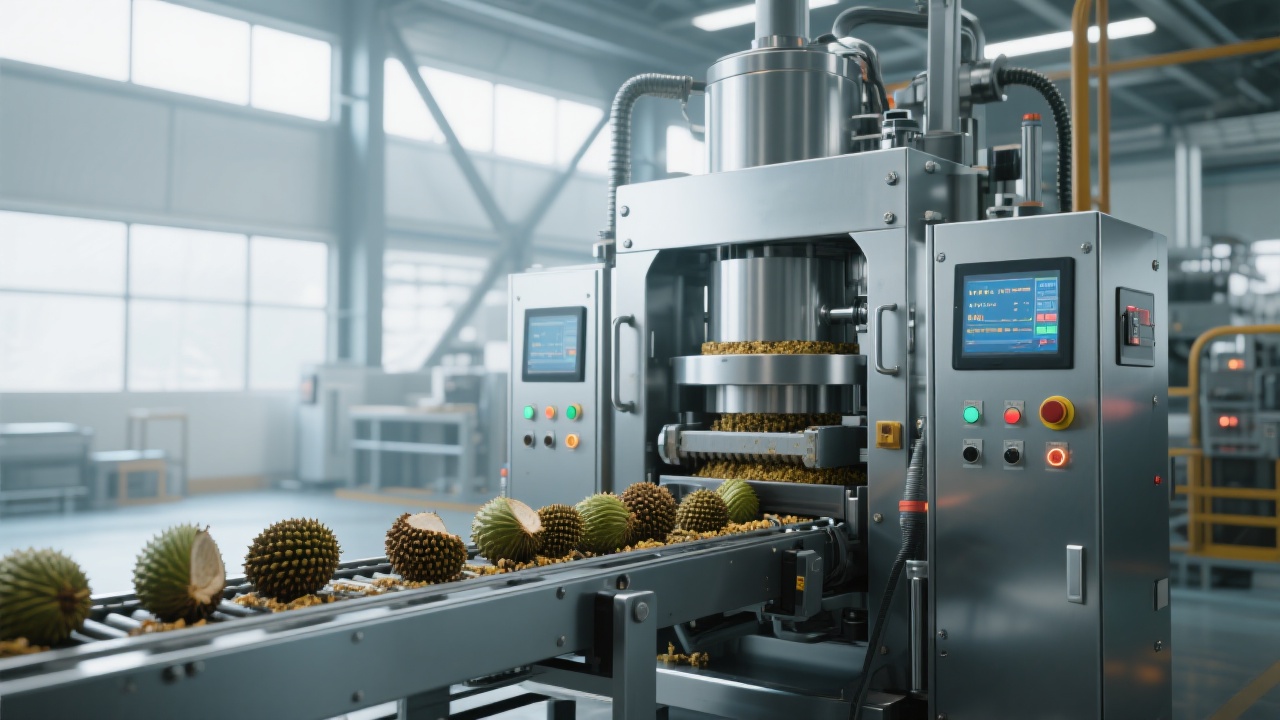
For small and mid-sized facilities, automation is less about “being fancy” and more about removing human variability. An automatic control hydraulic press can help standardize press curves, reduce operator fatigue, and produce consistent oil clarity—especially when multiple operators rotate shifts.
Multi-stage pressing profiles: ramp-up → holding → decompression. For many seeds, staged profiles improve drainage versus an aggressive single jump.
Recipe storage: save parameters for sesame, peanut, sunflower, rapeseed, etc. Switching recipes reduces setup time and prevents “trial-and-error production.”
Sensor-based interlocks: pressure, temperature, and door/guard checks help prevent overload and improve safety compliance.
Production counters and maintenance reminders: cycle counting supports preventive maintenance and keeps uptime high during peak seasons.
In practice, automation tends to improve throughput not by shortening the physics of pressing, but by reducing mistakes, restarts, and inconsistent dwell timing. Mills often see 5–12% more effective daily output simply from fewer interruptions and faster changeovers, depending on prior workflow discipline.
“Capacity” is frequently misunderstood. A hydraulic press may be rated by tonnage, but daily output is limited by upstream conditioning (cleaning, crushing, roasting/heating), loading/unloading rhythm, and filtration/settling capacity downstream.
| Mill Type | Typical Daily Seed Throughput | Recommended Focus When Selecting a Hydraulic Press |
|---|---|---|
| Starter oil room | ~0.5–2 tons/day | Easy cleaning, safety interlocks, stable holding; minimize learning curve |
| Growing small mill | ~2–8 tons/day | Recipe-based automation, faster changeover, hydraulic cooling/filtration upgrades |
| Mid-scale workshop | ~8–20 tons/day | Redundancy planning, continuous filtration, uptime-focused component selection |
If upstream conditioning cannot feed the press consistently, buying a larger tonnage unit usually creates idle time—not output.
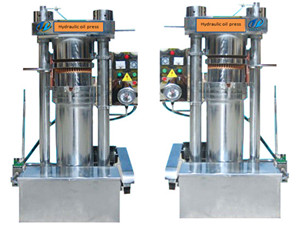
In day-to-day production, high-performing presses fail for simple reasons: contaminated hydraulic oil, overlooked seals, and inconsistent cleaning. A maintenance plan is not paperwork—it’s output insurance.
Environmental and safety compliance also benefits from good practice: fewer leaks, cleaner floors, better waste handling, and more predictable oil settling/filtration. These details matter when supplying food processors or export-oriented buyers.
QIE Group designs hydraulic pressing solutions with a production mindset: stability first, repeatability always. That means focusing on pressure holding behavior, serviceable hydraulic layouts, and automation that helps operators follow a standard cycle—so output becomes predictable, not dependent on who is on shift.
Get the full technical datasheet, recommended pressing parameters, and an operator-friendly setup guide tailored to your seed type and workflow.
Visit the Plant Seed Hydraulic Oil Press Product Page & Download the Operation ManualTip: prepare your seed type(s), target daily throughput, and whether you plan for single-shift or multi-shift operation—this speeds up model matching and parameter recommendations.

 253
|
253
|
 oil pressing parameters
hot pressing vs cold pressing
oilseed pressing optimization
hydraulic pre-press application
oil pressing parameters
hot pressing vs cold pressing
oilseed pressing optimization
hydraulic pre-press application
 359
|
["multi-function screw oil press"
"cold and hot pressing oil machine"
"oil extraction equipment"
"high-efficiency oil press system"
"industrial oil processing machinery"]
359
|
["multi-function screw oil press"
"cold and hot pressing oil machine"
"oil extraction equipment"
"high-efficiency oil press system"
"industrial oil processing machinery"]
 224
|
Oilseed pre - extraction treatment
Screw oil press pretreatment
Oil extraction process optimization
Rapeseed pretreatment precautions
Peanut steaming temperature control
224
|
Oilseed pre - extraction treatment
Screw oil press pretreatment
Oil extraction process optimization
Rapeseed pretreatment precautions
Peanut steaming temperature control
 248
|
screw oil press
multi-oilseed processing
solvent extraction oil press
rapeseed oil press
peanut oil extraction technology
248
|
screw oil press
multi-oilseed processing
solvent extraction oil press
rapeseed oil press
peanut oil extraction technology
 53
|
compact palm oil production equipment
high-efficiency palm oil extraction technology
customizable palm oil processing solutions
53
|
compact palm oil production equipment
high-efficiency palm oil extraction technology
customizable palm oil processing solutions