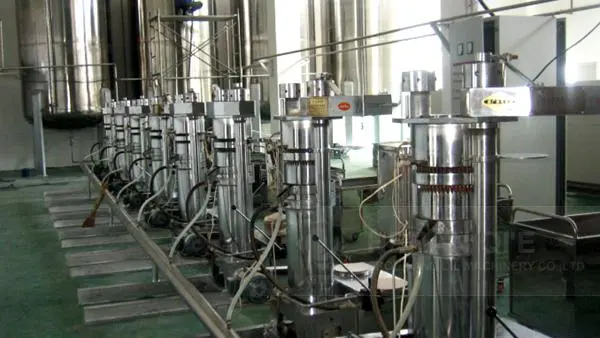
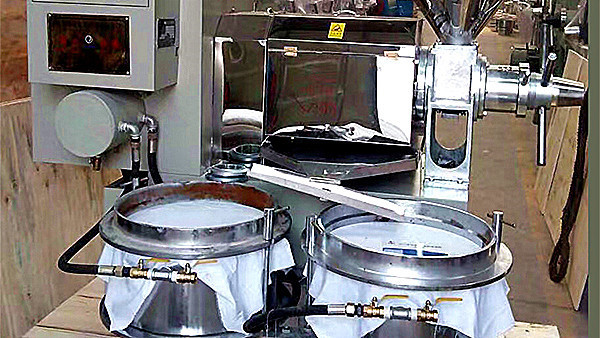
In the competitive edible oil production industry, even a 1% increase in oil yield can translate to hundreds of thousands of dollars in annual profit. Hydraulic pressing technology has emerged as a game-changer for seed oil extraction, offering superior efficiency and product quality compared to traditional methods. This comprehensive guide explores the critical parameters that influence oil recovery rates and provides actionable insights for optimizing your pressing operations.
Hydraulic pressing technology has revolutionized seed oil extraction by addressing many limitations of conventional screw pressing methods. Unlike mechanical expellers that rely on continuous friction, hydraulic presses apply controlled pressure to extract oil, resulting in several key benefits:
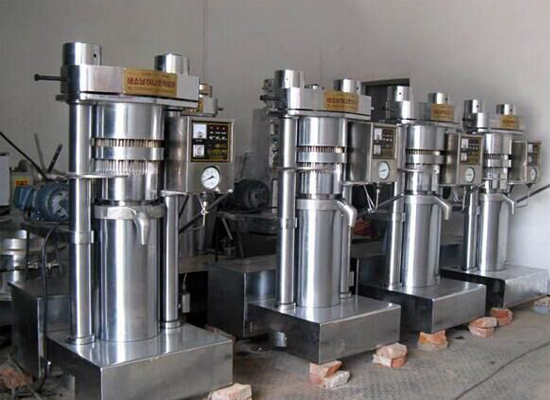
The relationship between pressure application and oil yield follows a logarithmic curve—initial pressure increases yield significantly, but beyond a certain point, additional pressure yields diminishing returns while increasing energy consumption and potential oil quality degradation.
"Optimal pressure settings vary by seed type but typically range between 30-50 MPa for most oilseeds. The key is maintaining consistent pressure throughout the pressing cycle rather than simply applying maximum pressure." — Dr. Michael Chen, Food Process Engineer at the Institute of Agricultural Engineering
Different oilseeds require specific pressure profiles for optimal results:
Temperature control during hydraulic pressing is a delicate balancing act. While higher temperatures reduce oil viscosity and improve flow, excessive heat can damage oil quality through oxidation and nutrient degradation.
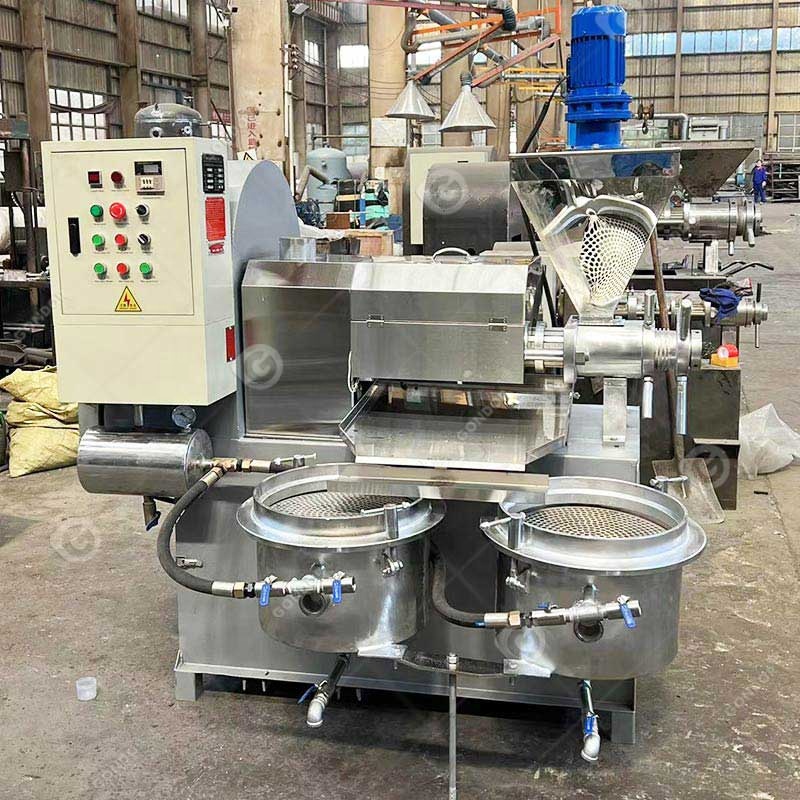
Optimal temperature ranges by seed type:
| Seed Type | Optimal Temperature Range (°C) | Quality Impact Factor |
|---|---|---|
| Soybeans | 55-65°C | Medium (minimal impact on protein quality) |
| Sunflower | 60-70°C | Low (resilient to moderate heat) |
| Canola | 50-60°C | High (sensitive to heat-induced oxidation) |
Many producers overlook the critical role of seed preparation in maximizing oil yield. Proper pre-treatment can increase oil recovery by 5-15% and significantly improve pressing efficiency.
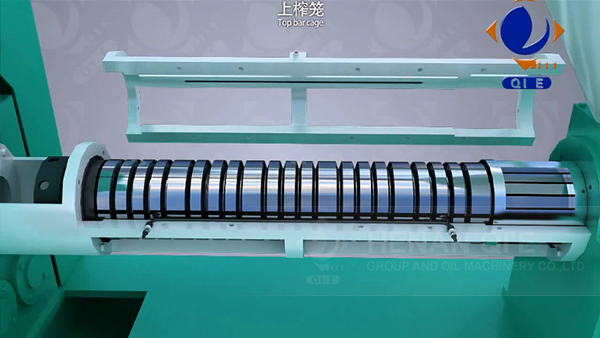
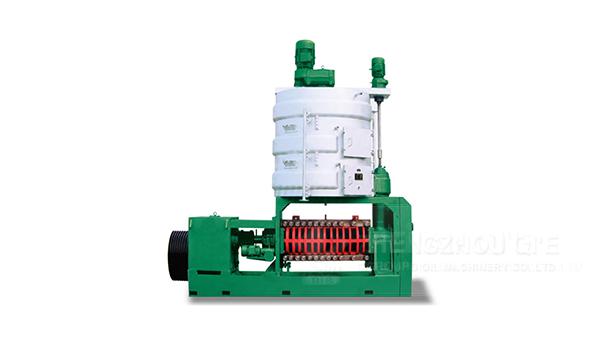
The design and construction of hydraulic pressing equipment significantly impact both yield and operational costs. Key design features to consider include:
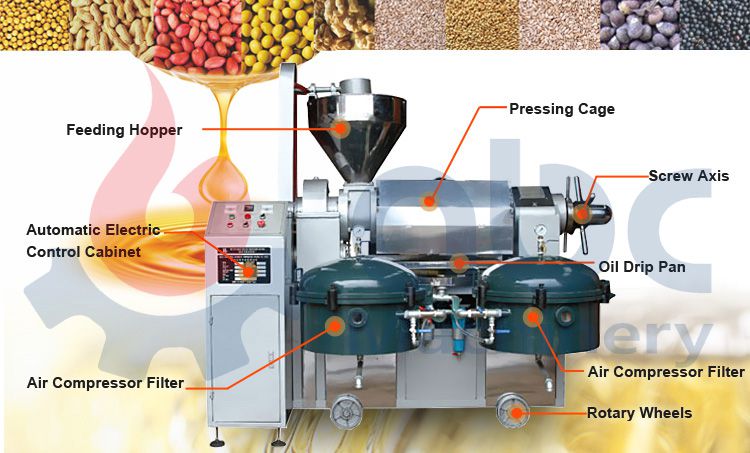
Even with proper setup, operators may encounter challenges that affect oil yield and quality. Here are solutions to common problems:
Causes: Hydraulic oil contamination, pump issues, or pressure relief valve problems
Solution: Regular oil analysis and filtration (every 500 operating hours), check pump performance, and calibrate pressure relief valves quarterly.
Causes: Inconsistent seed preparation, uneven pressure distribution, or worn press plates
Solution: Implement stricter quality control for seed preparation, inspect platen alignment, and replace press plates after 5,000-8,000 pressing cycles depending on seed type.
Causes: Worn components, temperature drift, or seed quality variations
Solution: Implement preventive maintenance schedule, calibrate temperature sensors monthly, and establish seed quality specifications with suppliers.
Many small and medium-sized oil producers hesitate to invest in automated hydraulic pressing systems, assuming the cost is prohibitive. However, modern automation solutions offer rapid return on investment through:
When selecting automation features, prioritize those that directly impact your bottom line: automatic pressure profiling, seed feeding control, and real-time yield monitoring. These features typically provide ROI within 12-18 months for most operations processing 500+ kg of seeds daily.
Download our comprehensive Hydraulic Pressing Optimization Manual featuring:
Remember, achieving optimal oil yield isn't about maximizing pressure—it's about understanding the unique characteristics of your seeds and implementing precise control over the entire extraction process. With the right approach, hydraulic pressing technology can transform your operation's efficiency, product quality, and profitability for years to come.

 149
|
149
|
 Secondary pressing vs single - solvent extraction
Application of screw oil press
Process selection for small and medium - sized oil mills
Oil extraction process for rapeseed and peanuts
Optimization of residual oil rate
Secondary pressing vs single - solvent extraction
Application of screw oil press
Process selection for small and medium - sized oil mills
Oil extraction process for rapeseed and peanuts
Optimization of residual oil rate
 180
|
Screw oil press
Industrial oil production
Durable oil press
Temperature control system
High - efficiency oil extraction
180
|
Screw oil press
Industrial oil production
Durable oil press
Temperature control system
High - efficiency oil extraction
 240
|
screw oil press selection
small oil mill equipment
oil press temperature control
peanut soybean rapeseed pressing
oil yield optimization
240
|
screw oil press selection
small oil mill equipment
oil press temperature control
peanut soybean rapeseed pressing
oil yield optimization
 425
|
Multifunctional Spiral Hot and Cold Oil Press
Spiral Oil Press for Peanuts
Cold Press Oil Extraction Machine
Hot Press Oil Production Equipment
High Efficiency Oil Press
Durable Spiral Oil Press
User-friendly Oil Extraction Machine
Eco-friendly Oil Press
Versatile Oil Processing Equipment
425
|
Multifunctional Spiral Hot and Cold Oil Press
Spiral Oil Press for Peanuts
Cold Press Oil Extraction Machine
Hot Press Oil Production Equipment
High Efficiency Oil Press
Durable Spiral Oil Press
User-friendly Oil Extraction Machine
Eco-friendly Oil Press
Versatile Oil Processing Equipment
 207
|
screw press oil extraction optimization
small oil mill process improvement
rapeseed peanut sunflower seed pressing techniques
screw press parameter adjustment
continuous screw press operation guide
207
|
screw press oil extraction optimization
small oil mill process improvement
rapeseed peanut sunflower seed pressing techniques
screw press parameter adjustment
continuous screw press operation guide