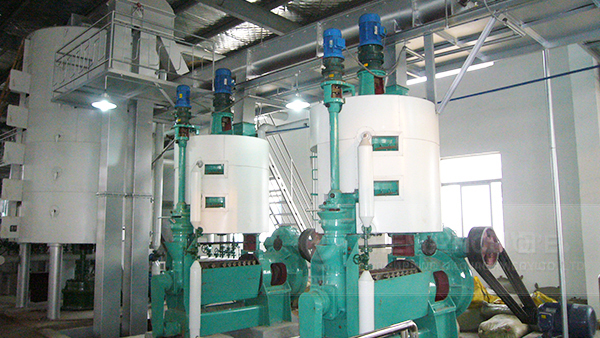
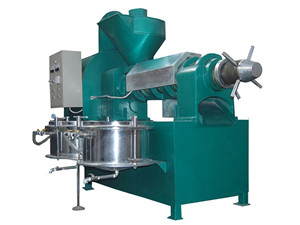
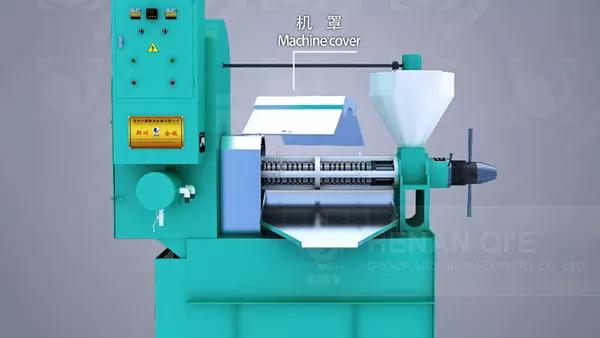
In the competitive landscape of edible oil production, even a 1-2% increase in extraction efficiency can translate to significant profit margins for processors. Hydraulic press technology has emerged as a game-changer in this regard, offering precise control over extraction parameters that directly impact oil yield and quality. This comprehensive guide explores how strategic pressure management can optimize your oilseed processing operations, supported by industry data and practical insights for both technical operators and plant managers.
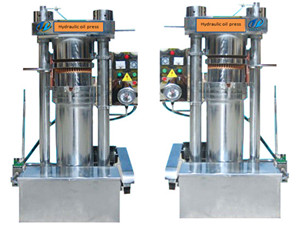
Modern hydraulic press systems have revolutionized oil extraction by providing consistent pressure application that traditional mechanical presses simply can't match. Unlike expeller pressing, which relies on continuous rotation and friction, hydraulic presses utilize static pressure to gently extract oil from seeds—resulting in several key advantages:
Oilseeds contain oil bodies surrounded by cell walls and protein matrices that require specific pressure thresholds to rupture effectively. Research conducted at the International Institute of Food Science and Technology demonstrates that oil extraction follows a sigmoidal curve relative to applied pressure—with three distinct phases:
The initial phase (0-20 MPa) sees minimal oil release as pressure overcomes seed structure resistance. The second phase (20-50 MPa) exhibits exponential oil yield increase as cell structures rupture. Beyond 50 MPa, the third phase shows diminishing returns where additional pressure yields minimal oil while increasing energy costs and potentially degrading oil quality through overheating.
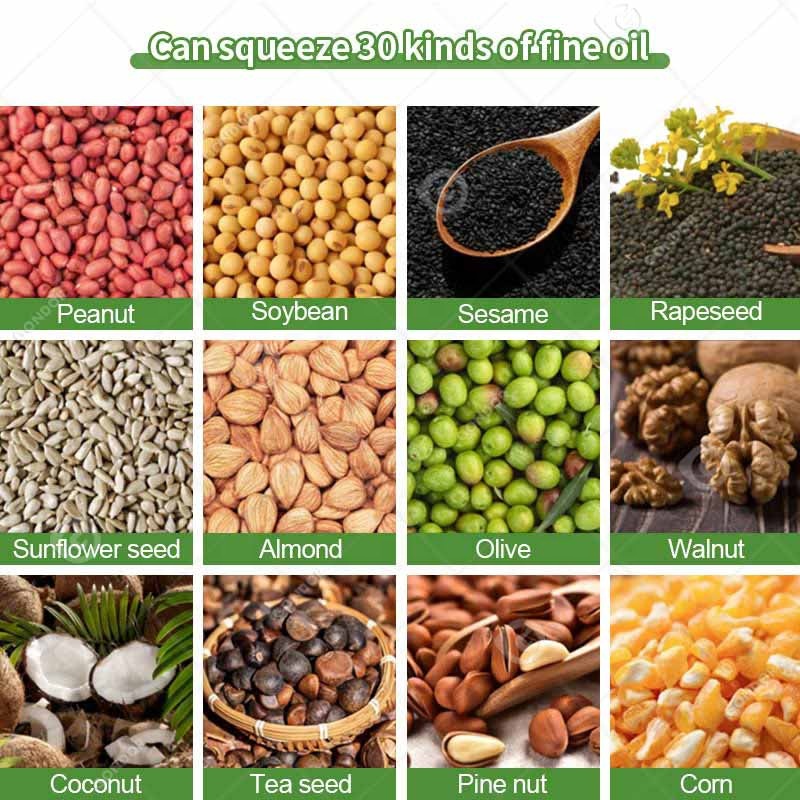
Each oilseed variety has unique physical properties requiring tailored pressure settings. Our technical team has compiled industry benchmarks based on processing over 10,000 metric tons of various seeds:
| Seed Type | Optimal Pressure Range (MPa) | Typical Yield Improvement |
|---|---|---|
| Peanuts | 32-38 MPa | 5-7% |
| Rapeseed/Canola | 28-35 MPa | 4-6% |
| Sesame | 25-32 MPa | 3-5% |
| Sunflower | 30-36 MPa | 4-6% |
*Yield improvements compared to traditional screw pressing under optimal conditions
Pressure control alone cannot maximize oil yield without considering complementary process parameters. Temperature management plays a critical role in optimizing oil viscosity and seed matrix flexibility:
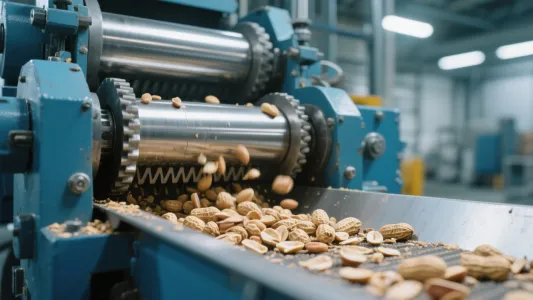
Preheating seeds to 45-65°C (depending on variety) before pressing reduces oil viscosity by 30-40%, allowing easier flow at lower pressures. This temperature range balances optimal oil release with minimal quality degradation. Additionally, proper seed cleaning and dehulling can improve yield by up to 8% by removing non-oil bearing material and ensuring uniform pressure distribution.
Even the most advanced hydraulic press requires regular maintenance to maintain pressure accuracy. A study of 127 medium-scale oil processors found that plants following a structured maintenance program experienced 47% fewer pressure-related issues and maintained optimal yield levels 92% of the time, compared to 68% for plants with reactive maintenance approaches.
Common pressure irregularities often stem from seemingly minor issues: a 0.5mm misalignment in the press plate can cause pressure variations of up to 12%, significantly impacting yield consistency. Regular calibration using certified pressure standards ensures your equipment maintains the precision required for optimal extraction.
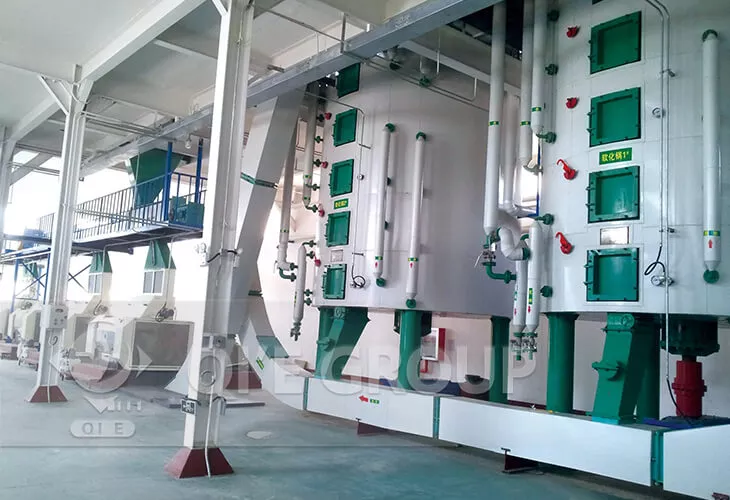
Discover how precision pressure control can boost your plant's profitability by 12-18% through optimized yield and reduced energy consumption. Our team of process engineers specializes in tailoring hydraulic pressing solutions for small to medium-scale operations.
Get Your Custom Pressure Optimization AnalysisImplementing the right pressure control strategy isn't just about purchasing advanced equipment—it's about developing a comprehensive understanding of your specific seeds, processing conditions, and quality requirements. By combining precise pressure management with proper seed preparation, temperature control, and maintenance practices, oil processors can achieve sustainable efficiency gains that directly impact their bottom line.
Many processors report recovering their equipment investment within 8-14 months through yield improvements alone, not counting additional savings from reduced energy use and maintenance costs. The key is approaching pressure control as a dynamic process that requires regular monitoring and adjustment based on seed quality, environmental conditions, and production goals.

 426
|
426
|
 Penguin Group Seed Preprocessing
Production Efficiency in Vegetable Oil
Oil Quality Optimization
Penguin Group Seed Preprocessing
Production Efficiency in Vegetable Oil
Oil Quality Optimization
 203
|
medium-sized screw oil press
edible oil processing solution
high-efficiency oil extraction
203
|
medium-sized screw oil press
edible oil processing solution
high-efficiency oil extraction
 309
|
screw press oil extraction
small oil mill efficiency
oilseed pressing optimization
ZY24 screw press
oil press technology
309
|
screw press oil extraction
small oil mill efficiency
oilseed pressing optimization
ZY24 screw press
oil press technology
 479
|
large hydraulic/pre-press machines
vegetable oil processing hydraulic machines
energy-efficient pre-press machines
479
|
large hydraulic/pre-press machines
vegetable oil processing hydraulic machines
energy-efficient pre-press machines
 193
|
Large hydraulic/pre-press machines
vegetable oil processing
energy-saving eco-friendly pressing equipment
193
|
Large hydraulic/pre-press machines
vegetable oil processing
energy-saving eco-friendly pressing equipment