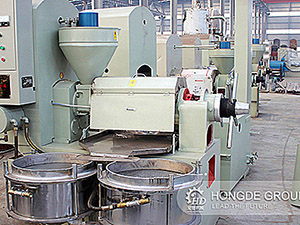
As a decision-maker or technical lead in plant oil processing, you know that achieving consistent yield and quality hinges on precise control of your hydraulic pre-press machine parameters—especially when handling diverse feedstocks like soybeans, canola seeds, and cottonseeds.
Each oilseed has unique physical properties that directly influence how it responds to pressure, temperature, and time during pressing:
| Oilseed Type | Moisture Content (%) | Particle Size (mm) | Recommended Pressure (MPa) | Typical Temp Range (°C) |
|---|---|---|---|---|
| Soybean | 7–9 | 3–5 | 15–20 | 60–70 |
| Canola | 6–8 | 2.5–4 | 18–22 | 55–65 |
| Cottonseed | 8–10 | 3–6 | 16–20 | 65–75 |
“Mismatched parameters are the leading cause of inconsistent press performance—especially with variable moisture content across harvest seasons.” — Dr. Ahmed El-Sayed, Food Engineering Consultant, FAO Technical Advisory Panel
While both methods extract oil efficiently, their impact on yield, energy use, and final product quality varies significantly:
If your press frequently experiences material buildup or uneven cake formation, here’s what to check:
In one case study from a 5-ton/hour facility in India, adjusting pre-conditioning time from 30 to 45 minutes improved cake dryness by 6%, reducing downstream drying costs by 12% annually.
Whether you're processing soybeans, canola, or cottonseed, our team helps tailor hydraulic press settings to maximize output while minimizing downtime.
Get Your Customized Press Optimization Plan Now
 207
|
207
|
 Medium Screw Oil Press
 for Vegetable Oils
Efficient Medium Screw Oil Press
Durable Medium Screw Oil Press
Compact Medium Screw Oil Press
High Yield Medium Screw Oil Press
Automatic Medium Screw Oil Press
Robust Medium Screw Oil Press
Energy Efficient Medium Screw Oil Press
Medium-sized Screw Oil Press for Small Enterprises
Medium Screw Oil Press
Medium Screw Oil Press for Vegetable Oils
Efficient Medium Screw Oil Press
Durable Medium Screw Oil Press
Compact Medium Screw Oil Press
High Yield Medium Screw Oil Press
Automatic Medium Screw Oil Press
Robust Medium Screw Oil Press
Energy Efficient Medium Screw Oil Press
Medium-sized Screw Oil Press for Small Enterprises
 476
|
screw oil press pre-treatment
oil yield optimization
roasting process control
oilseed processing techniques
cake oil content reduction
476
|
screw oil press pre-treatment
oil yield optimization
roasting process control
oilseed processing techniques
cake oil content reduction
 69
|
plant oil press parameters
hot pressing vs cold pressing
hydraulic oil press
pre-press oil extraction
oilseed processing technology
69
|
plant oil press parameters
hot pressing vs cold pressing
hydraulic oil press
pre-press oil extraction
oilseed processing technology
 90
|
Penguin oil pressing equipment
advanced oil press technology
efficient oil production equipment
296
|
Medium - sized screw oil press
Oilseed pretreatment process
Optimization of steaming - stir - frying parameters
Solutions for high oil content in oil residues
Operation skills of screw oil press
90
|
Penguin oil pressing equipment
advanced oil press technology
efficient oil production equipment
296
|
Medium - sized screw oil press
Oilseed pretreatment process
Optimization of steaming - stir - frying parameters
Solutions for high oil content in oil residues
Operation skills of screw oil press