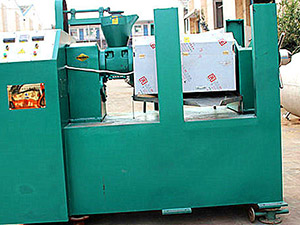
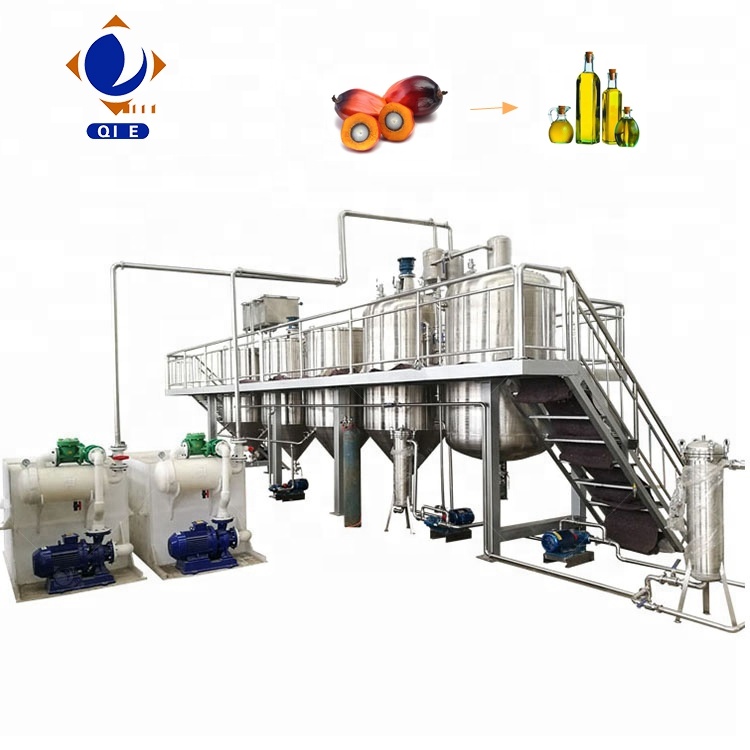
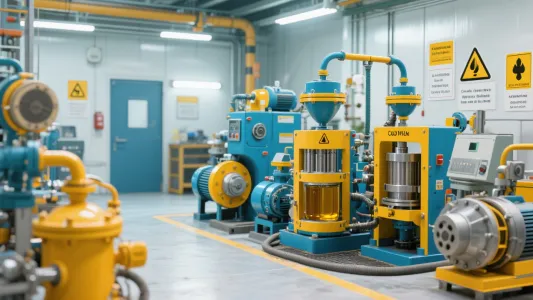
Maintaining a large hydraulic press involves meticulous attention to its four core components: the hydraulic system, pressing chamber, filtration device, and transmission mechanism. Let's start with the hydraulic system. Daily inspections are crucial. Check the oil level in the hydraulic tank; a normal oil level should be between 70% - 80% of the tank's capacity. If the oil level is too low, it can lead to cavitation and damage the hydraulic pump. Regular lubrication is also essential. Use high - quality hydraulic oil with a viscosity grade suitable for the operating temperature range of the press. For example, in a moderate climate, ISO VG 46 hydraulic oil is commonly used. The lubrication intervals should be every 500 - 1000 operating hours, depending on the intensity of use.
The pressing chamber requires special care. Inspect the inner walls daily for any signs of wear or corrosion. The sealing rings in the pressing chamber should be replaced every 2000 - 3000 operating hours to prevent oil leakage and ensure proper pressure build - up. A well - maintained pressing chamber can significantly improve the pressing efficiency, with some cases showing a 15% - 20% increase in the amount of oil extracted per batch.
The filtration device is another key component. Clean or replace the filters every 300 - 500 operating hours. A clogged filter can restrict the flow of hydraulic oil, leading to increased pressure in the system and potential damage to other components. Regularly check the differential pressure across the filter; if it exceeds 0.5 MPa, it's time for a replacement.
The transmission mechanism needs regular inspections for proper alignment and tension of belts or chains. Check the bearings for any signs of overheating or abnormal noise. Lubricate the bearings every 1000 - 1500 operating hours. Misaligned belts or chains can cause power loss and premature wear of components, reducing the overall efficiency of the press.
In a real - world case, a vegetable oil pressing plant experienced pressure fluctuations in their hydraulic press. After investigation, it was found that the root cause was a worn - out pressure relief valve. The valve was not opening and closing properly, causing the pressure to vary. The solution was to replace the pressure relief valve. By doing so, the pressure became stable, and the pressing process returned to normal. Pressure fluctuations can also be caused by air in the hydraulic system. To remove air, bleed the system according to the manufacturer's instructions.
Excessive noise is often a sign of trouble. In one instance, a press started making loud noises during operation. The root cause was a loose belt in the transmission mechanism. Tightening the belt solved the problem. Noise can also be due to cavitation in the hydraulic pump. This usually happens when the hydraulic oil level is too low or the suction line is blocked. Check the oil level and clean or replace the suction filter if necessary.
High oil temperature is a common issue. One plant noticed that the oil temperature in their hydraulic press was consistently above 60°C. The root cause was a malfunctioning cooling system. The radiator fins were clogged, reducing the cooling efficiency. Cleaning the radiator fins and checking the coolant level solved the problem. High oil temperature can also be caused by overloading the press or using the wrong viscosity of hydraulic oil. Ensure that the press is not overloaded and use the correct oil.
Traditionally, many companies have adopted a passive maintenance approach, only fixing problems when they occur. However, this can lead to significant non - planned downtime. By shifting to preventive maintenance, companies can save up to 30% - 40% in maintenance costs and reduce downtime by up to 50%. Preventive maintenance involves regular inspections, lubrication, and component replacements before a failure occurs. This proactive approach ensures that the press operates at its optimal efficiency, reducing the risk of breakdowns and improving the overall productivity of the vegetable oil pressing project.
 235
|
235
|
 Oilseed pressing pretreatment
Screw oil press pretreatment
Optimization of oil pressing process
Oilseed cleaning technology
Peanut steaming temperature control
Oilseed pressing pretreatment
Screw oil press pretreatment
Optimization of oil pressing process
Oilseed cleaning technology
Peanut steaming temperature control
 107
|
oilseed processing equipment customization
scalable oilseed pre-treatment solutions
versatile oilseed extraction systems
107
|
oilseed processing equipment customization
scalable oilseed pre-treatment solutions
versatile oilseed extraction systems
 475
|
oilseed preprocessing
spiral oil press optimization
oil extraction efficiency
rapeseed conditioning
peanut roasting temperature control
475
|
oilseed preprocessing
spiral oil press optimization
oil extraction efficiency
rapeseed conditioning
peanut roasting temperature control
 209
|
seed pretreatment and pressing equipment
efficient vegetable oil production solutions
customized seed processing technology
209
|
seed pretreatment and pressing equipment
efficient vegetable oil production solutions
customized seed processing technology
 350
|
Penguin oil press equipment
efficient oil extraction machinery
eco-friendly oil processing plant
oilseed processing equipment
oil press investment return
350
|
Penguin oil press equipment
efficient oil extraction machinery
eco-friendly oil processing plant
oilseed processing equipment
oil press investment return





.jpg)