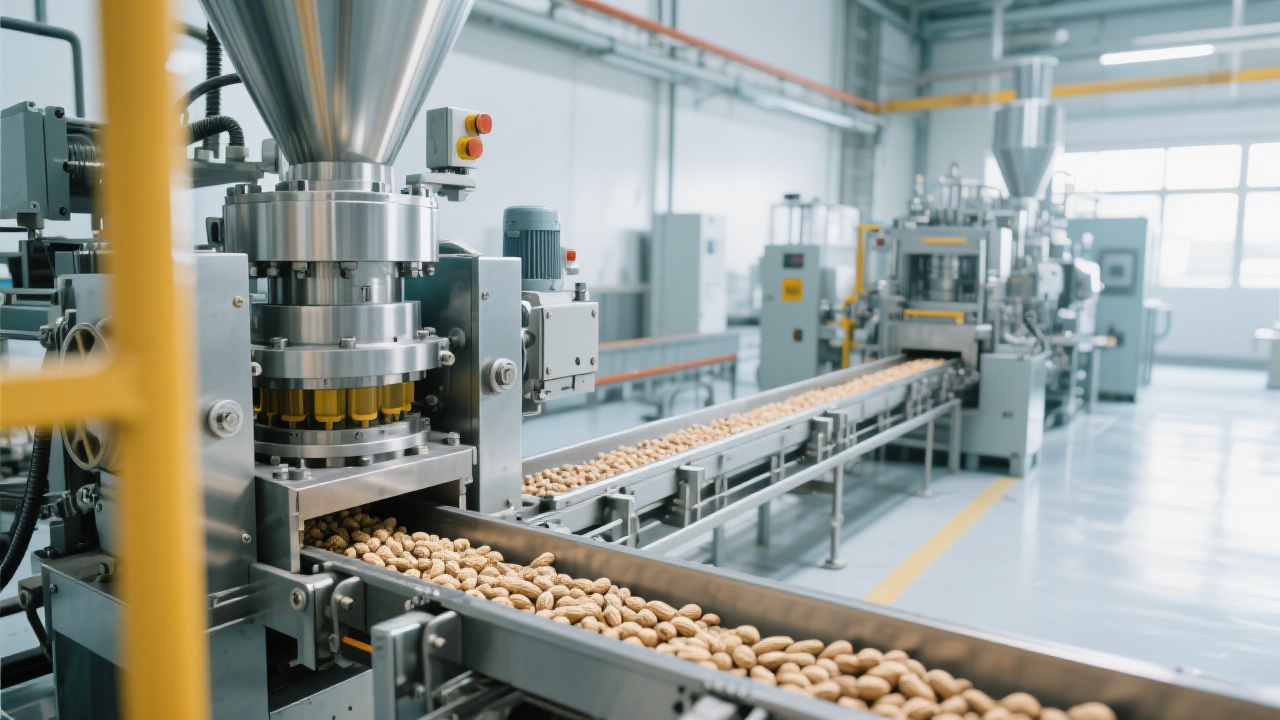
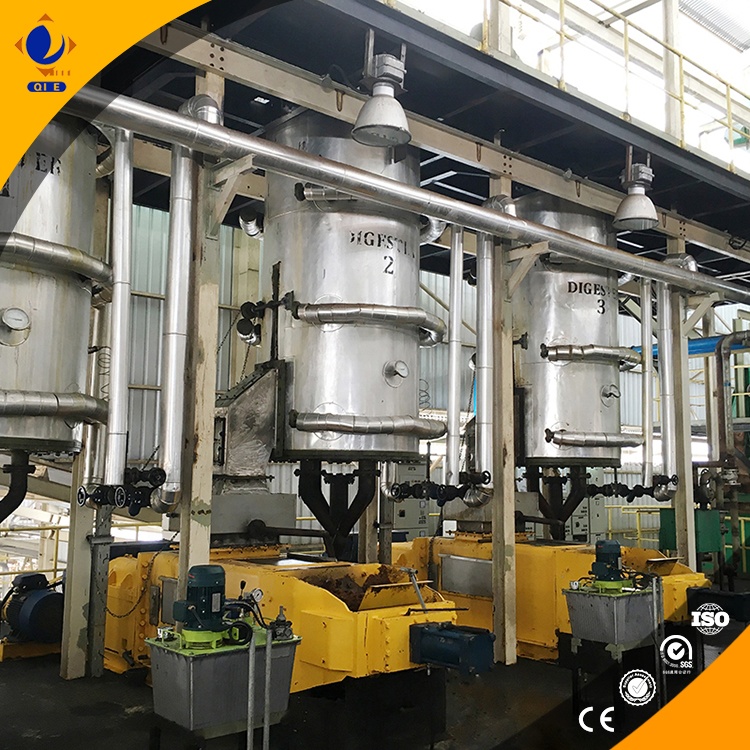
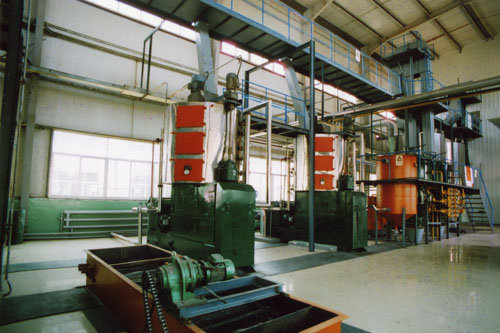
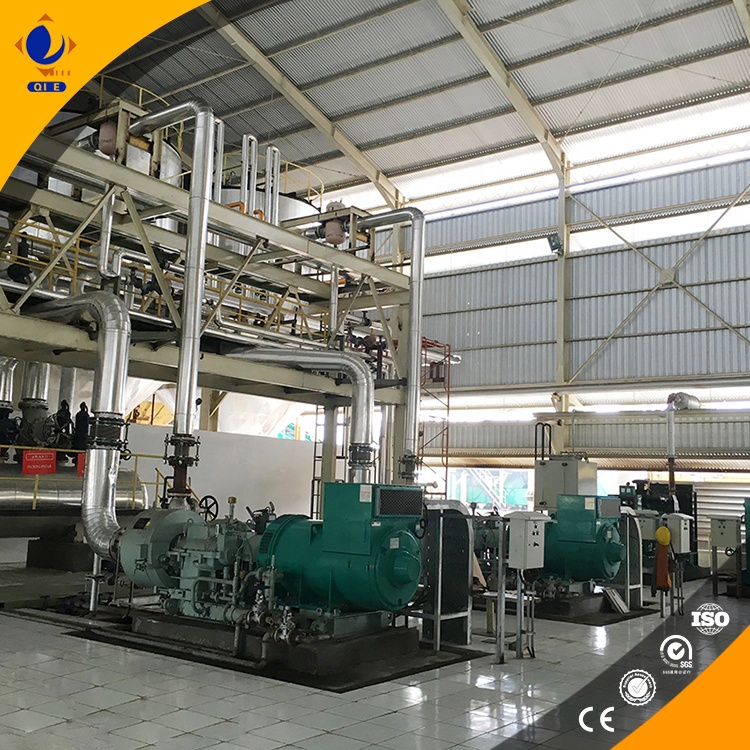
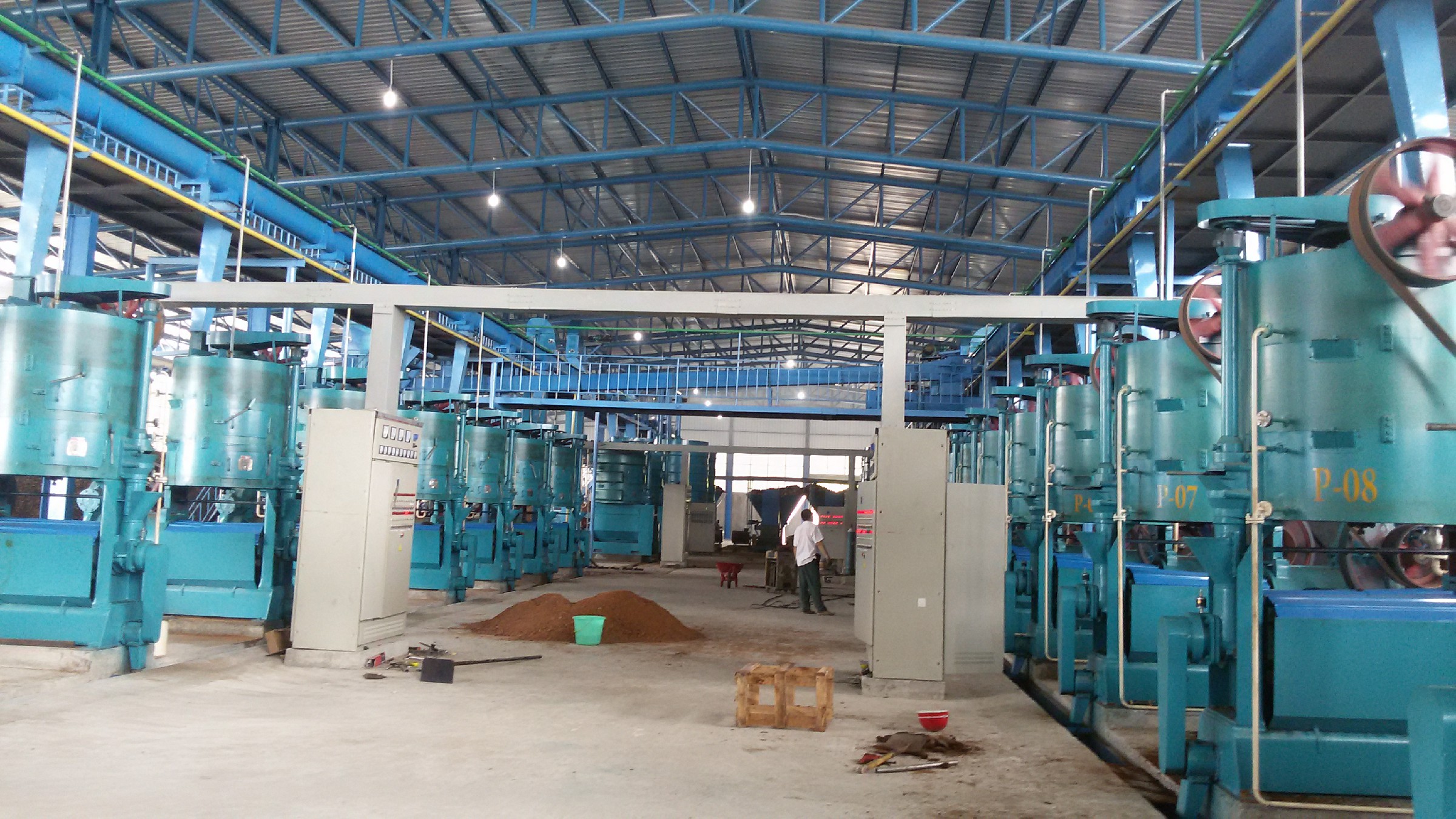
If you're aiming to maximize oil yield, reduce energy consumption, and streamline your hydraulic oil extraction plant, understanding the complete process from seed preparation to residue utilization is essential. This guide walks you through the crucial parameters—including temperature, pressure, and automated controls—tailored for various seeds such as peanuts, sesame, and nuts, all backed by real-world production insights.
The efficiency of your extraction process heavily depends on managing each phase precisely:
Integrating a fully automated control system can drastically reduce human error and boost productivity. Features to prioritize include:
These systems typically enhance output stability by 15-20% and lower operator workload by at least 30%, enabling scalable operations with less downtime.
| Seed Type | Roasting Temp (°C) | Optimal Pressure (MPa) | Residual Oil in Cake (%) |
|---|---|---|---|
| Peanut | 120-130 | 35-45 | 5-6 |
| Sesame | 110-120 | 30-40 | 6-7 |
| Nuts (e.g. Almond) | 130-140 | 45-60 | 4-5 |
Facing low oil yield, excessive machine vibration, or high residual oil in pressed cake? Consider the following adjustments:
"After upgrading to an automated system and fine-tuning pressure settings as advised, our plant's oil yield improved by 32%, and we slashed labor hours by 40%." – Local Peanut Oil Processor
Multiple small-to-medium enterprises have seen transformational gains by applying data-driven optimizations:
By refining your plant’s parameters according to seed-specific profiles and leveraging automation, you can unlock substantial operational efficiency and profitability. Whether you're just starting or scaling up, these best practices empower you to achieve sustainable, high-quality oil extraction.
 276
|
276
|
 Large Industrial Hydraulic Press
Large Industrial Pre-Press Machine
Industrial Oil Hydraulic Equipment
High-Performance Hydraulic Oil Press
Energy-Efficient Pre-Press Machines
Robust Hydraulic Oil Processing Solutions
Flexible Oilseed Pre-Press Equipment
Durable Large Hydraulic Press
Continuous Production Hydraulic Machinery
Advanced Oil Extraction Technology
Large Industrial Hydraulic Press
Large Industrial Pre-Press Machine
Industrial Oil Hydraulic Equipment
High-Performance Hydraulic Oil Press
Energy-Efficient Pre-Press Machines
Robust Hydraulic Oil Processing Solutions
Flexible Oilseed Pre-Press Equipment
Durable Large Hydraulic Press
Continuous Production Hydraulic Machinery
Advanced Oil Extraction Technology
 224
|
Oilseed pre - extraction treatment
Screw oil press pretreatment
Oil extraction process optimization
Rapeseed pretreatment precautions
Peanut steaming temperature control
224
|
Oilseed pre - extraction treatment
Screw oil press pretreatment
Oil extraction process optimization
Rapeseed pretreatment precautions
Peanut steaming temperature control
 468
|
6YL - 185 Spiral Hydraulic Press
plant oil processing
oil recovery adjustment
B2B export
professional after-sales service
oil processing flexibility
468
|
6YL - 185 Spiral Hydraulic Press
plant oil processing
oil recovery adjustment
B2B export
professional after-sales service
oil processing flexibility
 272
|
spiral oil press
small and medium oil mills
oil yield improvement
pressing process optimization
refined oil quality
272
|
spiral oil press
small and medium oil mills
oil yield improvement
pressing process optimization
refined oil quality
 101
|
seed preprocessing production line
edible oil production efficiency
oilseed processing technology
101
|
seed preprocessing production line
edible oil production efficiency
oilseed processing technology