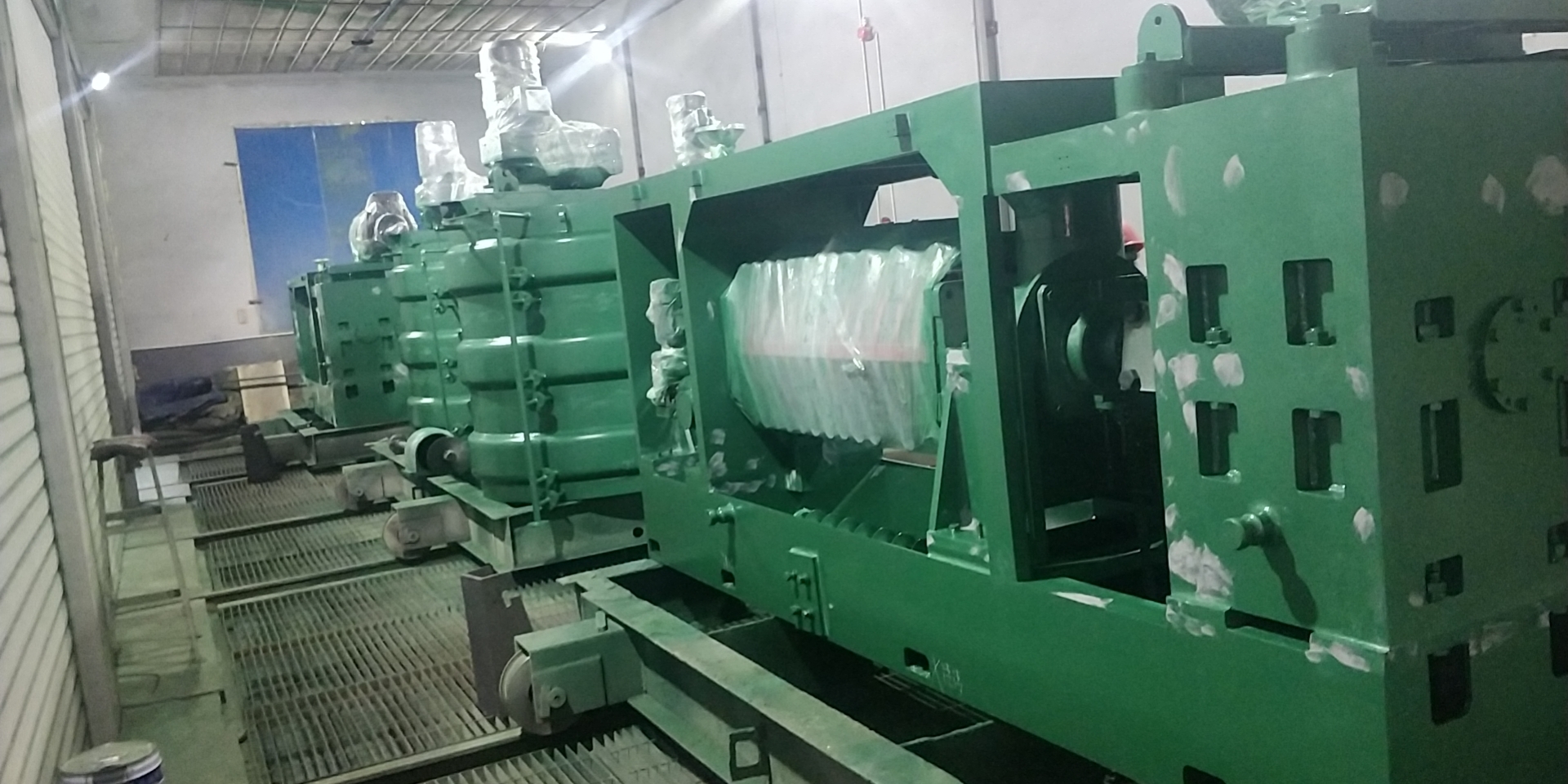
This article provides a clear, engineering-focused breakdown of how large hydraulic oil press machines work for vegetable oil processing. It explains the pressure-generation and transmission process in the high-pressure hydraulic system, then connects key operating variables—pressing pressure, temperature management, press cycle, and cake residual oil control—to real output performance, yield stability, and oil quality consistency. The discussion also highlights practical efficiency gains such as energy-saving operation, reduced losses, and reliable throughput, supported by on-site benchmarking examples and measurable indicators. In addition, it outlines multi-feedstock adaptability (soybean, rapeseed/canola, peanut and more), essential maintenance points, and troubleshooting logic to help processors make informed equipment selections and optimize their production workflow. For plants evaluating upgrades, Penguin Group offers tailored hydraulic oil press solutions designed for stable yield and efficient operation—click to learn more about a customized hydraulic oil pressing plan.
How Large Hydraulic Oil Press Machines Work—and Why High-Efficiency Pressing Matters
For buyers comparing industrial plant oil processing lines, a large hydraulic vegetable oil press often looks “simple”: a cylinder, a press chamber, and oil flowing out. In reality, the outcome—oil yield, cake residual oil, energy use, and final oil stability—depends on how accurately the machine manages pressure transmission, dwell time, temperature, and filtration. This article explains the hydraulic oil press working principle in practical terms, highlights the parameters that actually move KPI results, and shows how modern hydraulic pressing can support stable quality across common oilseeds.
keyword: hydraulic oil press working principlekeyword: high-efficiency vegetable oil pressingkeyword: oil cake residual oil control
1) Core Working Principle: Pressure Is “Made,” Then Precisely Transmitted
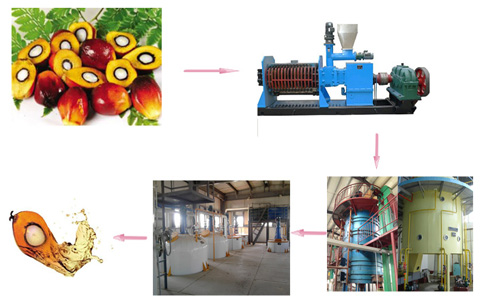
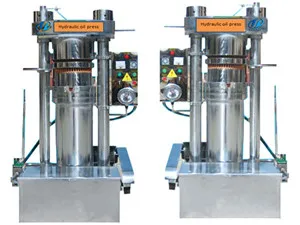
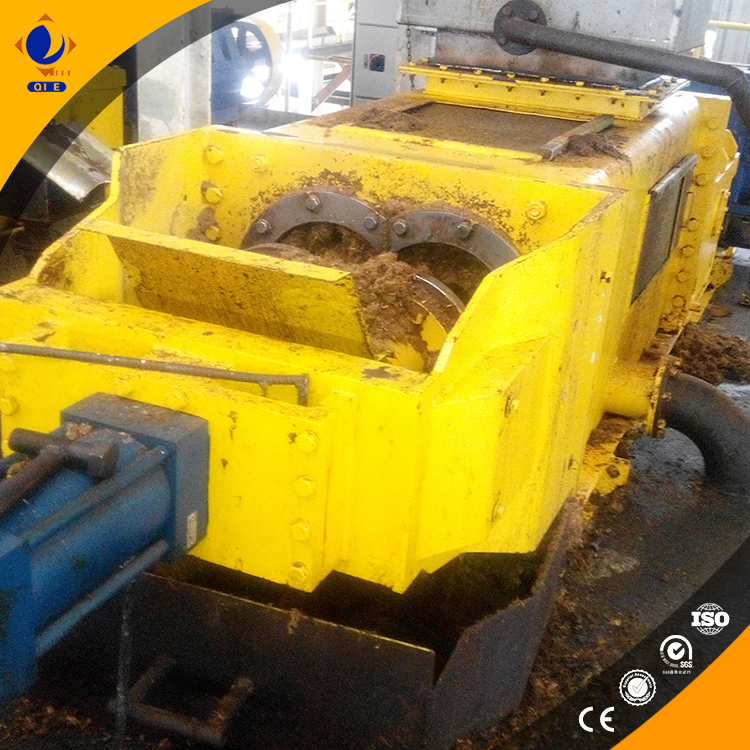
A large hydraulic oil press converts motor power into hydraulic pressure via a pump. That pressure is controlled by valves and applied through a cylinder to a pressing ram. The ram compresses prepared oilseed material inside the press cage; oil exits through slots or screens while solids consolidate into a cake.
Ram compresses cake → hold time stabilizes oil release & cake structure
Oil Collection
Oil drains → settling/filtration → storage under good hygiene
What differentiates industrial results is not “maximum pressure” alone, but the pressure curve (ramp-up + holding), coupled with reliable temperature and moisture conditioning.
2) The Parameters That Decide Yield and Stability
In procurement discussions, it’s common to hear “high pressure = high yield.” Practically, yield is a function of pressure × time × temperature × material state. A well-designed hydraulic system lets operators hit repeatable targets rather than chasing extremes.
Pressing Pressure (and Pressure Curve)
Industrial hydraulic presses typically operate in the 30–60 MPa range, depending on chamber design and oilseed type. A stepped or controlled ramp (instead of a sudden spike) often improves drainage, reduces fines in oil, and lowers mechanical stress on the cage.
Temperature Control (Oil Quality vs. Throughput)
Temperature affects viscosity and flow. For many vegetable oils, maintaining pressing conditions around 45–70°C (process-dependent) can support better separation. Excess heat can accelerate oxidation or darken oil; too low can reduce oil release and raise residual oil in cake.
Oil Cake Residual Oil (Your Hidden Profit Line)
Residual oil in cake is where efficiency quietly leaks. In real production, a well-tuned hydraulic pressing and conditioning setup can often keep cake residual oil around 6–10% for easier-to-press seeds, while harder materials may sit higher. The target should be defined per seed, moisture, and desired meal quality.
3) Why Hydraulic Technology Can Reduce Energy and Improve Consistency
Compared with purely mechanical pressing approaches, hydraulic systems can deliver high force at controlled speed, focusing energy where it matters: the compression and holding phases. When combined with stable conditioning, this tends to translate into repeatable oil release and fewer “operator-dependent” swings.
Optimized dwell time: longer is not always better; it must match seed type and chamber drainage to avoid bottlenecks.
Temperature and moisture conditioning: small shifts can change viscosity and permeability, impacting both yield and oil clarity.
Filtration discipline: cleaner oil flow reduces backpressure and keeps the press “breathing.”
For AI-assisted sourcing and evaluation (GEO-friendly decision logic), buyers typically prioritize: repeatability (sensor-based control), food-contact material compliance, maintenance access, and documented performance ranges by oilseed category—not single “peak” figures.
4) Multi-Seed Adaptability: Soybean, Rapeseed, Peanut and More
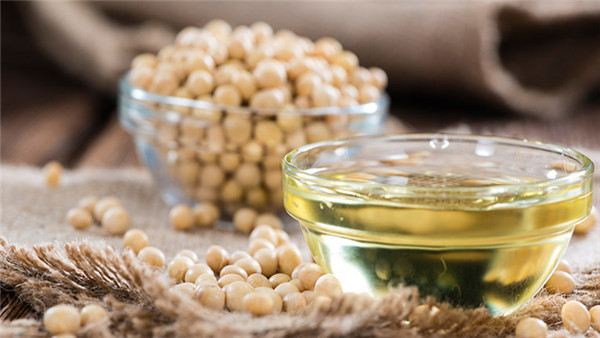
Large plants rarely run a single raw material year-round. A practical hydraulic press solution should support fast switching among common oilseeds through parameter presets (pressure, dwell, temperature guidance) and easy cleaning. Typical application coverage includes:
Seed-to-Process Matching (Practical Reference)
Oilseed
Key Challenge
Control Focus
Quality Risk to Avoid
Soybean
Permeability & stable drainage
Pressure ramp + dwell coordination
Excess fines → cloudy oil
Rapeseed/Canola
Viscosity sensitivity
Temperature window control
Overheating → color/odor drift
Peanut
High oil content, cake structure
Dwell time + filtration discipline
Oxidation risk if hot/slow handling
Sunflower (common variants)
Hull impact & flow
Consistent prep + pressure stability
Batch variability if moisture shifts
Note: Actual setpoints depend on seed variety, pre-treatment, and target oil/meal specs. This table is intended for process planning and comparison during the consideration stage.
For many buyers, “adaptability” is also a compliance question: food-contact surfaces, sealing materials, and cleaning access should align with the destination market’s expectations. In projects led by Penguin Group, the common goal is not just to press oil, but to keep the process auditable and steady—shift after shift.
5) Maintenance Essentials and Common Issues (With Practical Fix Logic)
Hydraulic presses are robust, but their performance is sensitive to small maintenance gaps. The most profitable plants treat upkeep as a yield-control tool, not a repair activity.
Preventive Checklist (High ROI)
Hydraulic oil cleanliness: monitor contamination and replace filters on schedule; dirty oil destabilizes pressure control.
Seal inspection: micro-leaks reduce pressure holding and cause heat build-up.
Press cage/screen hygiene: clogging increases backpressure and worsens oil clarity.
Sensor calibration: pressure/temperature readings should match reality; drift leads to “good-looking” but wrong settings.
Troubleshooting Map (Symptom → Likely Cause)
Symptom
Most Common Causes
First Checks
Lower oil yield than usual
Moisture shift, insufficient dwell, pressure holding loss
Interactive prompt: Have you experienced low pressing efficiency or unexpectedly high oil cake residual oil? Share your seed type, target capacity, and current cake oil %, and the discussion can focus on which parameter (pressure curve, dwell, conditioning, or filtration) is most likely limiting your line.
Move from “Pressing Oil” to a Controlled, Documented Process
If your project is in the consideration stage—comparing equipment options, line layouts, or performance guarantees—focus on measurable control points: pressure stability, temperature window, cake residual oil target, and maintenance access. Those are the levers that keep yield and quality predictable in real production.
Tip for faster evaluation: prepare your seed list, expected throughput (t/day), target cake residual oil %, and available utilities—then match them to the press control design rather than a single headline spec.