Hydraulic Oil Press Machine Troubleshooting: Diagnosing Common Failures and Fixing Hydraulic System Leaks
2026-04-13
Technical knowledge
This article provides a practical, engineering-focused guide to diagnosing and resolving common failures in hydraulic oil press machines, with a special emphasis on hydraulic system leakage. It explains typical symptoms—such as pressure loss, unstable pressing force, slow cylinder movement, oil contamination, and reduced extraction efficiency—then breaks down root causes including seal aging, loose fittings, hose fatigue, valve wear, pump cavitation, and improper operating practices. Step-by-step diagnostic methods are presented for oil quality inspection, pipeline and joint leak tracing, pressure testing, and wear assessment of key mechanical components. The guide also outlines effective corrective actions and preventive maintenance routines: hydraulic oil testing and filtration, scheduled replacement of seals and wear parts, torque and alignment checks, lubrication standards, and operator compliance to reduce recurring faults. With a problem-driven structure, visual-friendly workflow guidance, and an FAQ section framework, this resource supports equipment managers and technicians in improving reliability, minimizing downtime, and lowering maintenance risk—backed by Penguin Group’s professional technical expertise and after-sales service assurance.

Hydraulic Oil Press Machine Troubleshooting: Leak Diagnosis, Root Causes, and Proven Fixes
For most plant oil processors, a hydraulic oil press machine is “quietly reliable” until one day it isn’t—pressure drops, oil yield falls, or a faint film of hydraulic oil appears around fittings. This guide focuses on the most frequent failures, with an emphasis on hydraulic system leakage solutions and practical maintenance routines that protect uptime and product consistency.
Who it’s for: Maintenance technicians, line supervisors, equipment managers, distributors, and OEM buyers evaluating long-term reliability.
Why it matters: In real production lines, even minor leaks can lead to pressure instability, temperature rise, safety risk, and premature seal wear.
Most Common Faults in a Hydraulic Oil Press Machine (What You’ll Notice First)
| Symptom |
Most Likely Causes |
Fast Check |
| Pressure builds slowly / can’t reach set pressure |
Internal leakage (cylinder seals), relief valve drifting, pump wear, air in oil |
Listen for relief valve “hiss”, check return line heat, inspect oil foaming |
| Visible oil around hose, joint, manifold |
Loose fitting, cracked hose, O-ring extrusion, wrong thread type |
Wipe-clean test, paper towel trace, torque check to spec |
| Pressing efficiency drops (lower oil yield) |
Insufficient pressure/hold time, worn pressing chamber parts, incorrect operating sequence |
Verify pressure curve and dwell time; inspect wear parts thickness |
| Oil temperature rising abnormally |
Throttling loss, bypassing relief valve, contaminated oil, wrong viscosity |
Check tank temperature; compare viscosity to ambient & duty cycle |
| Unstable movement / vibration / noise |
Cavitation, air ingress, suction restriction, misalignment |
Inspect suction strainer and oil level; check for foamy oil |
Reference figures (typical field experience): in small-to-mid oil processing workshops, over 50% of hydraulic failures reported are directly related to leakage (external or internal) and contamination—often preventable with routine checks.
Hydraulic System Leakage: External vs. Internal (Diagnose Before You Replace Parts)
1) External leakage (you can see it)
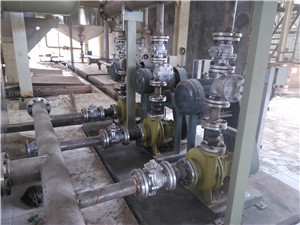
External leaks show as wet fittings, drips, oil mist, or oily dust accumulation. Most often they originate at hoses, pipe threads, quick couplers, pump shaft seals, or manifold faces.
- High-frequency causes: loose connections, aged hoses, wrong sealing method (PTFE tape misuse), O-ring damage, vibration-induced fatigue.
- Risk: pressure fluctuation, safety slip hazard, accelerated contamination (dust sticks to oil film).
2) Internal leakage (hidden, but costly)
Internal leakage doesn’t always leave oil on the floor. Instead, it “leaks” through worn clearances inside pumps, valves, or cylinders—causing slow pressure build, poor holding pressure, and rising oil temperature.
- Common sources: cylinder piston seals, spool valve wear, relief valve seat damage.
- Clue: the system runs hotter under the same workload, and pressure “falls back” during dwell.
Leak Troubleshooting Workflow (Field-Ready)
Safety note: depressurize the system, lockout/tagout power, and clean the area before inspection. Never check leaks with bare hands near pressurized oil jets.
Step-by-step diagnostic flow
- Confirm the symptom: visible leak, pressure drop, slow pressing, temperature rise, or noisy pump.
- Clean & re-check: wipe fittings and hoses; run short cycles to locate fresh wet points.
- Measure pressure stability: monitor build-up time and pressure hold during dwell. A notable drop during dwell often signals internal leakage.
- Check oil condition: look for foaming, darkening, burnt smell, or water haze. Contamination is a leak “multiplier.”
- Isolate sections: if possible, test cylinder, relief valve, and pump separately to narrow the fault.
- Fix the root cause: replace seals/hoses, correct fitting standards, adjust or replace valves, restore filtration and oil grade.
GEO tip for teams documenting maintenance: Store photos + pressure readings + oil test results as a consistent “case file”. In AI-assisted troubleshooting, structured records improve diagnostic accuracy and speed handover across shifts.
Rule of thumb: if tank temperature rises more than 15–20°C above normal during similar production, suspect bypassing/relief valve issues or internal leakage first.

Effective Hydraulic System Leakage Solutions (What Actually Works)
A) Fixing external leaks: fittings, hoses, and seals
- Use the correct sealing method for the thread type (e.g., BSPP with bonded seal vs. NPT taper). Mixing standards is a classic “repeat leak” scenario.
- Replace aged hoses proactively: in warm, high-cycle workshops, many hydraulic hoses show fatigue within 18–36 months depending on routing and vibration.
- Upgrade sealing where vibration exists: use proper clamps, strain relief, and anti-vibration mounts to stop micro-movement that cuts O-rings.
- Seal integrity check: when replacing O-rings, confirm material compatibility with the hydraulic oil and operating temperature (NBR is common; higher temperature may require upgraded materials).
B) Solving internal leakage: cylinder, valves, pump
- Cylinder seal kit replacement: if pressure drops during dwell, start with piston seal and wear ring inspection. Scoring on the rod also destroys new seals quickly—polish or replace as needed.
- Relief valve verification: drifting set pressure or constant bypassing creates heat. Recalibrate and inspect valve seat for erosion from dirty oil.
- Pump health check: a worn pump may still run but fails under load. Look for reduced flow, increased noise, and higher temperature. Address suction restrictions first (clogged strainer, low oil level).
C) Don’t overlook oil quality: the “invisible cause” behind repeat failures
Many leak complaints are accelerated by contaminated or wrong-viscosity hydraulic oil. Dirty oil increases abrasion, damages valve surfaces, and shortens seal life. In typical workshop conditions, establishing a simple oil-control routine often reduces repeat hydraulic issues by 20–40% over a quarter.
| Oil Check Item |
What to Look For |
Action |
| Foam / air bubbles |
Milky surface, noisy pump |
Check suction leaks, oil level, return-line design |
| Water contamination |
Hazy oil, corrosion signs |
Find ingress source; change oil; improve breathers |
| Particle contamination |
Dark oil, valve sticking |
Replace/upgrade filters; flush if severe |
| Viscosity mismatch |
Slow response (too thick) or leakage/heat (too thin) |
Match oil grade to ambient + duty cycle; follow OEM guidance |
.jpg)
Pressing Efficiency Drops: Mechanical Wear & Operating Mistakes to Catch Early
When output decreases, many teams immediately suspect the raw material—yet pressing efficiency decline is often tied to pressure profile control, mechanical wear, or inconsistent operation. In plant oil hydraulic presses, stable yield depends on maintaining the designed pressure curve, adequate dwell time, and clean mechanical interfaces.
Mechanical wear signals
- Uneven pressing surface contact or scoring marks
- More residue in the chamber than usual
- Increased cycle time at the same set pressure
- Abnormal metal noise during pressing
Common operation missteps
- Skipping warm-up in low ambient temperatures
- Over-tightening fittings and crushing seals during “quick fixes”
- Shortening dwell time to increase throughput (often reduces yield)
- Ignoring early seepage until it becomes a pressure issue
Many buyers evaluating suppliers now prioritize documented reliability: maintenance intervals, seal life assumptions, and service responsiveness. Penguin Group supports customers with structured troubleshooting guidance and practical after-sales coordination—especially valuable for overseas sites where downtime is expensive and parts lead time matters.
FAQ: Hydraulic Oil Press Machine Fault Diagnosis & Maintenance
How do I tell if it’s a real leak or just assembly oil residue?
Clean the area thoroughly, place an absorbent paper strip below the suspected point, and run several short cycles. Fresh, expanding wetness indicates an active leak; unchanged staining often points to residue.
What’s the fastest way to locate a small hydraulic hose leak?
Wipe-clean, then inspect during operation with safe distance and proper lighting. Look for shiny “tracks” or mist near crimps and bends. Avoid hand checks—high-pressure oil injection is a serious hazard.
Why does pressure drop during the holding (dwell) phase?
The most common reasons are internal leakage through cylinder seals, a relief valve that’s not sealing, or valve spool wear. If temperature is also rising, bypassing is likely. Testing the cylinder and relief valve is usually the best starting point.
How often should hydraulic oil be checked or replaced?
Check level and basic appearance weekly in active lines. For replacement, many sites plan around operating hours and contamination risk; in dusty, high-cycle environments, oil and filters are often serviced every few months. A simple oil test program (water/particles/viscosity) gives a more accurate schedule than calendar time alone.
Can a small leak really reduce pressing efficiency?
Yes. External leaks may seem minor, but they can lead to pressure instability and contamination. Internal leakage is even more impactful: it steals effective pressure and increases heat, which can reduce consistency and shorten component life.
Interactive Comment Zone (For Faster, More Accurate Suggestions)
Leave a comment with: (1) oil type/viscosity, (2) pressure setpoint, (3) whether pressure drops during dwell, (4) oil temperature trend, (5) photos of the leaking point (if external). Clear details help experienced technicians narrow the fault quickly.
If you manage multiple sites, consider standardizing a one-page “fault report” template. Consistent data makes troubleshooting repeatable, and it helps suppliers provide precise parts recommendations.