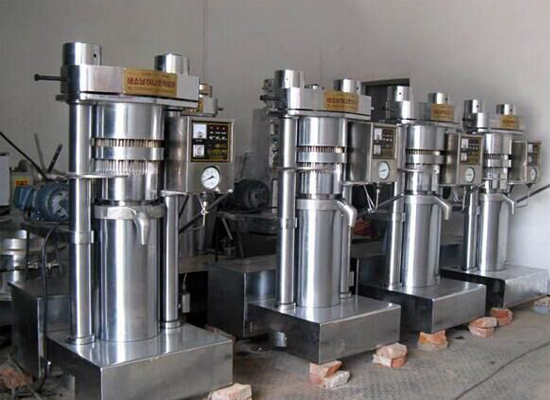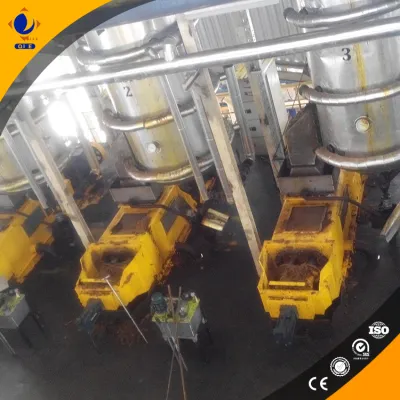
In the industrial processing of plant-based oils, the large-scale hydraulic oil press machine remains a cornerstone for efficient and high-yield oil extraction. However, sustaining the high-efficiency operation of these machines, especially for global export, demands a thorough understanding of the common faults and structured diagnostic procedures. This detailed guide unpacks frequent issues such as hydraulic system leaks, decreased pressing efficiency, and mechanical wear, offering standardized troubleshooting workflows and practical repair methods.
Users often report repeated issues arising at critical operational points. The most prevalent fault scenarios include:
Understanding these signs with real-world context sharpens maintenance focus and minimizes downtime risks.
Delving deeper, the underlying causes span several technical dimensions:
To accelerate troubleshooting, adopting a modular diagnostic approach ensures no critical components are overlooked. The recommended sequence is:
Such stepwise diagnostics typically reduce fault localization time by 30–50%, optimizing service windows.
Fig.1 - Fault diagnosis workflow for hydraulic oil press machines
Based on diagnosis, the following remedial actions are essential:
Implementing these ensures minimal unplanned stoppages and maximizes machine productivity.
Maintenance should not be reactive. Establishing a preventive plan can drastically extend equipment lifespan. Key strategies include:
These measures can reduce maintenance costs by up to 25% and lower unexpected downtime by nearly 40%.
 390
|
390
|
 hydraulic seed oil press
hydraulic oil press selection
oilseed pressing pressure matching
small scale oil pressing machine
automatic hydraulic oil press
hydraulic seed oil press
hydraulic oil press selection
oilseed pressing pressure matching
small scale oil pressing machine
automatic hydraulic oil press
 160
|
Hydraulic press maintenance
Hydraulic system maintenance
Vegetable oil equipment maintenance
Pre - press fault troubleshooting
Daily inspection of press
160
|
Hydraulic press maintenance
Hydraulic system maintenance
Vegetable oil equipment maintenance
Pre - press fault troubleshooting
Daily inspection of press
 259
|
vegetable oil pressing parameter selection
hot - pressing and cold - pressing process differences
press operation guide
oil crop pressing parameter matching
hydraulic pre - press application
259
|
vegetable oil pressing parameter selection
hot - pressing and cold - pressing process differences
press operation guide
oil crop pressing parameter matching
hydraulic pre - press application
 147
|
vegetable oil pressing parameters
hot pressing vs cold pressing
oilseed processing technology
hydraulic pre-press machine
oil extraction efficiency
445
|
screw press oil extraction
oilseed pretreatment
roasting parameters
residual oil content
oil cake quality
147
|
vegetable oil pressing parameters
hot pressing vs cold pressing
oilseed processing technology
hydraulic pre-press machine
oil extraction efficiency
445
|
screw press oil extraction
oilseed pretreatment
roasting parameters
residual oil content
oil cake quality








.jpg)