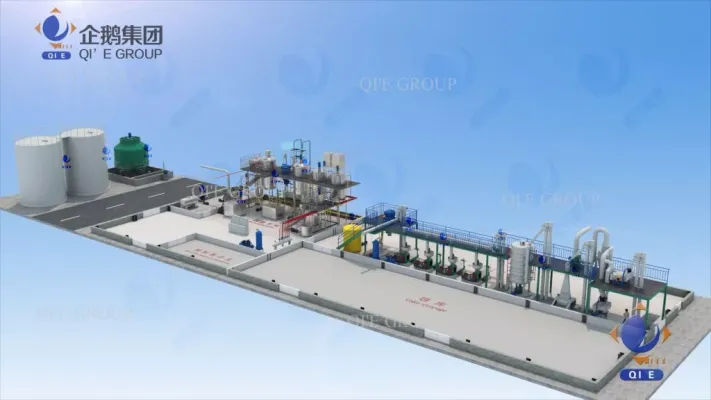
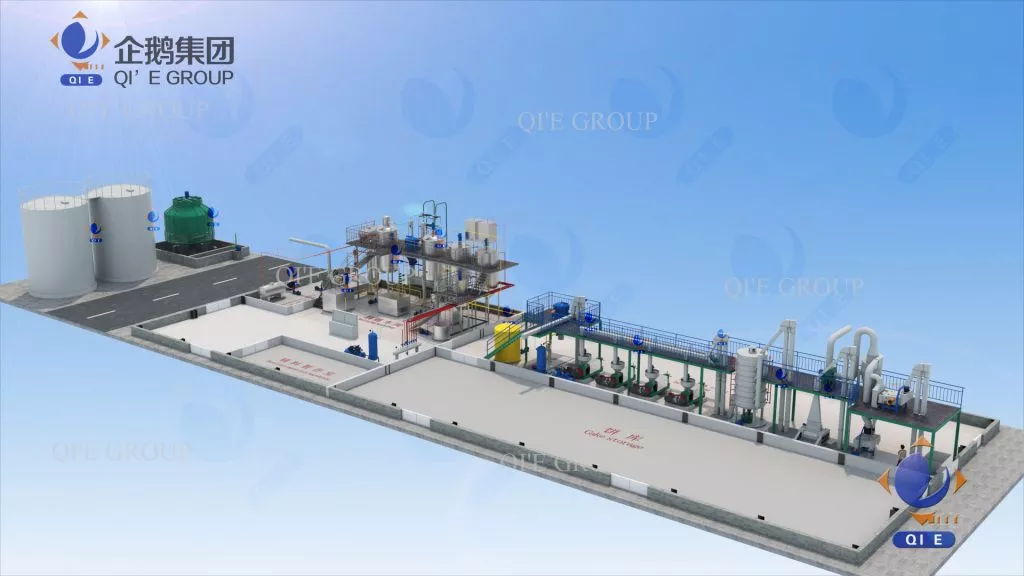
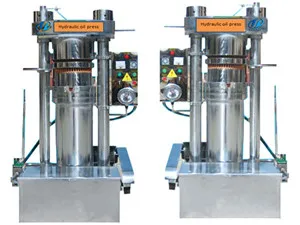
Industrial-scale hydraulic oil presses are vital equipment in the vegetable oil extraction process. However, their complex systems can encounter faults such as hydraulic leaks, decreased pressing efficiency, and mechanical wear, leading to costly downtime. This guide, crafted by Penguin Group, addresses the most common problems in hydraulic oil press operation, offering systematic diagnosis and high-efficiency maintenance strategies to optimize performance and extend equipment lifespan.
Identifying the root cause of issues quickly is crucial for minimizing losses. Common faults include:
A structured fault diagnosis flow includes: initial symptom identification, hydraulic system pressure testing, mechanical inspection, and final verification through test runs.
Proper daily upkeep reduces failures and extends operational life. Essential maintenance steps encompass:
Operating the hydraulic oil press within recommended parameters is fundamental. Operators should:
Despite guides, operators sometimes make mistakes that aggravate faults:

Staying informed about the latest advances is also crucial. Modern hydraulic oil presses incorporate smart sensors and automated monitoring that alert operators to anomalies before failures occur. Integrating such technology can reduce unscheduled downtime by up to 25% in large facilities.

 495
|
495
|
 mid-sized hydraulic oil press
plant seed oil extraction machine
hydraulic press equipment
automated hydraulic system
oil press maintenance
mid-sized hydraulic oil press
plant seed oil extraction machine
hydraulic press equipment
automated hydraulic system
oil press maintenance
 390
|
hydraulic seed oil press
hydraulic oil press selection
oilseed pressing pressure matching
small scale oil pressing machine
automatic hydraulic oil press
390
|
hydraulic seed oil press
hydraulic oil press selection
oilseed pressing pressure matching
small scale oil pressing machine
automatic hydraulic oil press
 366
|
plant oil pressing parameters
hot pressing vs cold pressing
hydraulic press operation guide
oil raw material properties
oil extraction efficiency
366
|
plant oil pressing parameters
hot pressing vs cold pressing
hydraulic press operation guide
oil raw material properties
oil extraction efficiency
 276
|
continuous screw oil press efficiency
small and medium oil mill automation
oilseed processing optimization
screw oil press working principle
oil press equipment selection
276
|
continuous screw oil press efficiency
small and medium oil mill automation
oilseed processing optimization
screw oil press working principle
oil press equipment selection
 292
|
oilseed pressing process differences
screw press pressure adjustment
oilseed pretreatment methods
rapeseed oil pressing technology
sunflower seed pressing techniques
292
|
oilseed pressing process differences
screw press pressure adjustment
oilseed pretreatment methods
rapeseed oil pressing technology
sunflower seed pressing techniques

.jpg)






.jpg)
.jpg)
