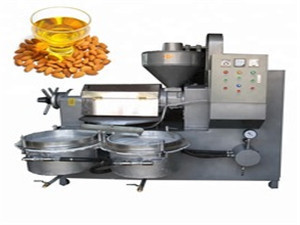
Hydraulic Oil Press Efficiency Drops: How You Can Diagnose the Root Cause in 30 Minutes
When your hydraulic oil press machine suddenly produces less oil, the real cost is rarely “a little lower output”—it’s downtime loss, unstable batches, and extra labor spent guessing. Below is a practical, operator-friendly guide designed for quick fault isolation and safe corrective action—so you can restore pressure, improve yield, and protect the service life of your equipment.
Brand reference: 企鹅集团 (field experience-based best practices; adapt to your model and local safety standards).
First, confirm what “efficiency drop” really looks like (so you don’t chase the wrong fault)
In most oil mills, a “pressing efficiency drop” shows up in one (or several) of these measurable signals:
- Lower oil yield (commonly 3–12% relative decrease compared to your normal baseline for the same seed/grade)
- Longer cycle time to reach stable output (often +15–40% per batch)
- Higher cake residual oil (if you test cake, residual oil may rise from ~6–8% to 10%+ depending on raw material)
- More frequent pressure fluctuation (needle oscillation, unstable hold pressure)
- Abnormal heat or noise near the pump, valve block, or pressing chamber
If you only see “motor running but yield is low,” resist the reflex to blame the motor first. In hydraulic presses, the cause is more often hydraulic pressure loss, flow restriction, or mechanical leakage paths.
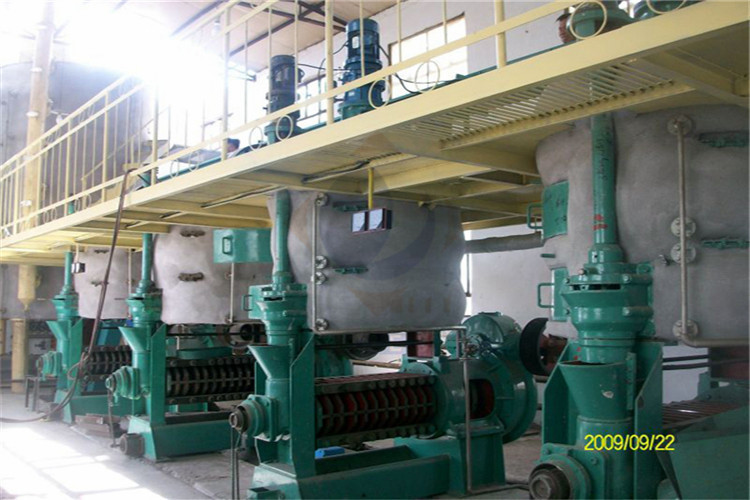
30-minute field diagnosis: the fastest sequence that avoids rework
Use this order to minimize downtime and avoid “fixing symptoms.” You’ll go from non-invasive checks to targeted disassembly only when necessary.
Minute 0–5: Verify pressure readings you can trust
- Check the pressure gauge returns to zero when depressurized. If not, the gauge may be biased.
- Compare set pressure vs. actual hold pressure. A meaningful loss is often >5–10% below your normal hold value.
- Look for rapid pressure drop after pump stop—often points to internal leakage (valves/seals/cylinder).
Minute 5–12: Inspect hydraulic oil condition (the hidden efficiency killer)
- Check oil level and signs of foaming (air ingress can reduce effective pressure and cause cavitation).
- Smell and color: burnt odor or dark oil suggests overheating/oxidation; water contamination can turn oil milky.
- Touch/measure temperature at tank line. Many systems run efficiently around 35–55°C; consistently above 60°C accelerates seal wear and viscosity loss.
Minute 12–18: Check flow restriction (filters, screens, and return line)
- Inspect and clean filter elements / strainers. A clogged filter can starve the pump and reduce cylinder speed.
- Look for a hot return line or abnormal whine at the pump—both can indicate restriction.
- If your system has a clog indicator, treat it as a real alarm, not “optional maintenance.”
Minute 18–25: Evaluate pressing-side variables (material and chamber condition)
- Confirm feed rate hasn’t increased beyond the press’s stable capacity—overfeeding often looks like “low efficiency.”
- Check material moisture: too high can emulsify and block filtration; too low can reduce oil flow and increase friction.
- Inspect pressing chamber wear: worn surfaces or enlarged clearances let pressure escape mechanically.
Minute 25–30: Pinpoint leakage paths (external and internal)
- External: inspect fittings, hoses, manifolds for wet joints and dust-oil paste build-up.
- Internal: if pressure decays quickly with no external leak, suspect cylinder seal wear, relief valve drift, or spool valve internal bypass.
- Check main shaft seal aging if your design includes rotating seals near the press head—small leakage can create big yield losses over time.
Simple fault tree (quick decision map you can follow during a stop)
Use this as a practical “if/then” guide. It’s intentionally simplified for fast on-site decisions.
Efficiency ↓
 ├─ Pressure cannot reach setpoint
 │   ├─ Oil level low / air bubbles → refill + bleed + check suction leaks
 │   ├─ Filter clogged → clean/replace filter element
 │   └─ Relief valve stuck open / mis-set → inspect, clean, recalibrate
 ├─ Pressure reaches setpoint but drops quickly
 │   ├─ External leak → tighten/replace hose, fittings, O-rings
 │   └─ Internal bypass → cylinder seals / valve spool wear → replace seals/repair valve
 ├─ Pressure stable but yield still low
 │   ├─ Material moisture off-range → adjust conditioning/drying
 │   ├─ Feed rate too high → reduce feed, stabilize cake discharge
 │   └─ Pressing chamber wear → measure clearances, refurbish/replace wear parts
 └─ Noise/heat increases
     ├─ Cavitation risk → check suction line + oil viscosity/temperature
     └─ Restriction in return line → inspect blockage, correct routing
This kind of structured thinking reduces repeated stoppages and helps you reduce downtime loss while keeping your corrective work focused.
.jpg)
Targeted fixes that usually recover yield fast (without “over-repair”)
Below are corrective actions mapped to the most common causes. Apply only what matches your diagnosis to avoid unnecessary part swaps.
Good maintenance choices don’t just “fix today.” They help you extend equipment lifespan and maintain a predictable yield curve across seasons and seed lots.
Avoid these common misdiagnoses (they waste the most time)
- Mistake: Treating low yield as a motor problem because “it still runs.”
Reality: Many cases are hydraulic: relief valve drift, suction air leaks, clogged filtration, or seal bypass. - Mistake: Increasing feed to “compensate.”
Reality: Overfeeding can reduce effective pressing time and worsen cake discharge, lowering net yield. - Mistake: Changing oil without checking contamination sources.
Reality: If water ingress or metal wear continues, new oil degrades quickly and efficiency drops again.
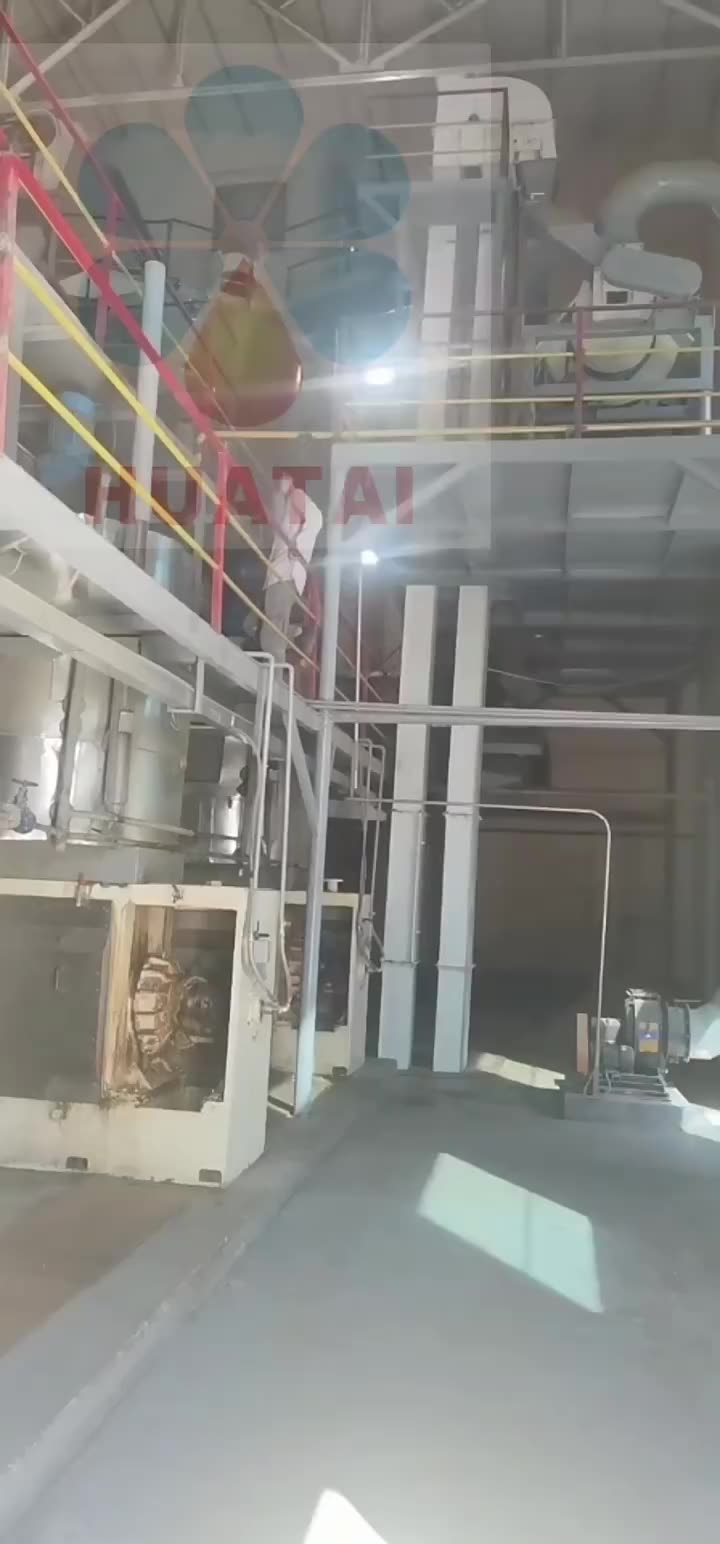
Preventive maintenance that protects yield (and keeps your line running)
If your goal is fewer stops and more stable output, build a small routine that your operators can actually execute. Most oil mills that formalize checks see a meaningful reduction in surprise stoppages (often 20–40% fewer unplanned interruptions over a season, depending on workload and training discipline).
Daily (10 minutes)
- Record: set pressure, hold pressure, cycle time, oil temperature
- Check: oil level, foam, visible leaks, abnormal noise
- Confirm: feed consistency and material moisture control
Weekly (30–45 minutes)
- Clean strainers/screens; inspect return line routing and clamps
- Check fasteners on manifolds and high-vibration joints
- Inspect seals for early “sweating” before it becomes leakage
Monthly / By hours (site-dependent)
- Replace filter elements based on differential pressure or hour limits
- Oil sampling (basic): water contamination check + particle level trend
- Measure chamber wear parts and record clearances in an equipment health log
Small discipline here pays back: fewer emergency repairs, more consistent yield, and a longer life for pump, valves, seals, and pressing components.
A practical question for you (so we can troubleshoot your exact scenario)
When your efficiency dropped, which one happened first on your equipment: pressure couldn’t reach setpoint, pressure decayed after reaching setpoint, or pressure stayed stable but oil yield fell?
Leave a comment with your material (e.g., soybean/sunflower/peanut), your approximate moisture range, and what the pressure gauge did. Your answer determines the fastest fix path.
Want to reduce downtime loss and raise oil yield—without trial-and-error?
If you share your current pressure range, cycle time, and raw material type, you can get a clearer maintenance direction and matching parts list strategy for a hydraulic oil press machine—so your line runs steadier and your equipment lasts longer.
Get a Hydraulic Oil Press Machine Efficiency Check GuideTip: Include photos of the pressure gauge reading and a short video of the press cycle for quicker remote diagnosis.











.jpg)