
If you operate a small to medium-sized oil mill processing oilseeds such as rapeseed, peanuts, or cottonseed, choosing the right extraction method can be pivotal for your profitability and efficiency. The decision often pivots on whether to adopt secondary pressing or proceed directly with single solvent extraction. This article provides you with a data-driven comparison, practical insights, and equipment compatibility analysis, especially focusing on the role of the ZY24 (202-3) screw oil press in continuous pressing operations.
The primary aim of both methods is to maximize oil recovery while maintaining cost-effectiveness and operational stability. Here, we break down the key metrics affecting your choice:
| Criteria | Secondary Pressing | Single Solvent Extraction |
|---|---|---|
| Residual Oil Rate in Cake | 6-8% | Less than 1.5% |
| Energy Consumption | Lower (Mechanical pressing dominant) | Higher (Solvent usage and recovery) |
| Capital Investment | Moderate | High (Solvent extraction facilities cost) |
| Refining Complexity | Simpler | More complex (due to solvent residues) |
| Production Stability | High (mechanical workflow) | Variable, requires tight solvent control |
As you can see, secondary pressing emphasizes lower upfront costs and easier operation, whereas solvent extraction achieves higher oil recovery but at greater energy and investment expenses.
Not all oilseeds behave the same in mechanical or solvent extraction processes. For example, cottonseed has a tougher hull and higher residual oil post-pressing compared to peanuts or rapeseed. This makes cottonseed more suitable for a combined process where secondary pressing reduces residual oil in the cake before solvent extraction extracts the remainder efficiently.
Meanwhile, smaller-scale processors handling around 3 tons per day may find continuous secondary pressing with a well-matched screw press like the ZY24 (202-3) more practical. It ensures stable throughput, manageable investment, and straightforward operation without the complexity of solvent recovery systems.

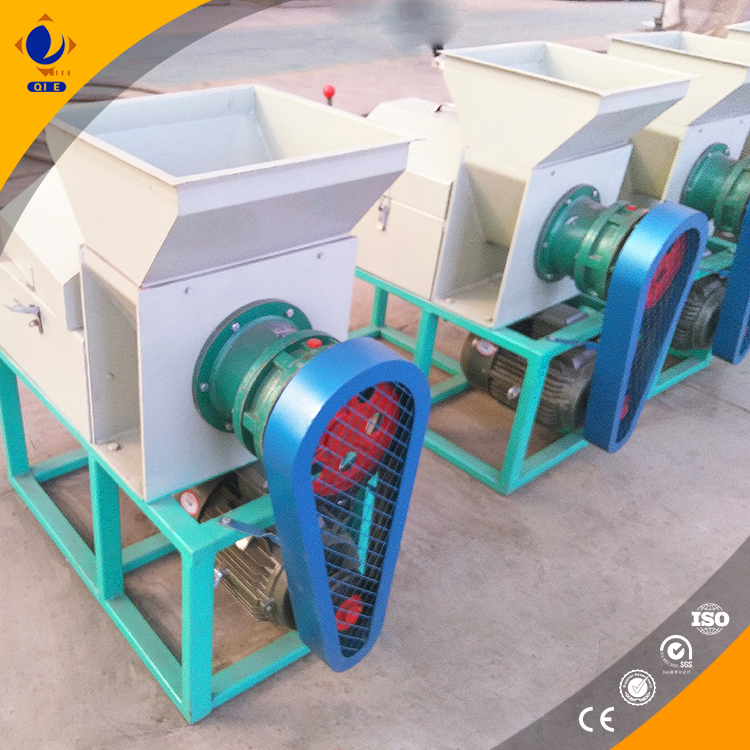
The performance of your pressing equipment significantly influences the success of secondary pressing. The ZY24 (202-3) screw oil press is engineered specifically for continuous, high-efficiency mechanical pressing. With features like optimized spiral design, adjustable pressure zones, and robust build quality, it handles varying oilseed types while maintaining consistently low residual oil outputs.
In field tests, mills equipped with ZY24 presses have reported daily throughput of 2.5 to 4 tons with residual oil rates below 7%. Its adaptability allows seamless integration into mixed processing lines, supporting your production stability and helping you better manage downstream refining.
One of our clients, processing 3 tons/day of cottonseed, faced a tough decision between sole solvent extraction and a secondary pressing plus partial solvent extraction system. After evaluating their budget, raw material quality, and desired oil purity, they chose secondary pressing using ZY24 presses upfront. This allowed them to reduce solvent extraction capacity, lower energy bills by approximately 20%, and streamline refining operations.
Such tailored decisions reflect a critical balance: consider not only the theoretical oil yield but also your capital availability, operator skill level, and maintenance capability.

Using these criteria, you can map your specific scenario and decide if secondary pressing aligns with your mill’s goals.





