Choosing automatic oil press equipment starts with the oilseed and the production plan—not simply the machine’s advertised capacity. The right configuration should match your raw material, pretreatment requirements, pressing and filtration needs, available utilities, and long-term operating resources.
QIE Group, also known as Qi'e Grain and Oil Machinery Co., Ltd., supplies oil pressing equipment alongside process design, installation, technical support, and after-sales service. For buyers planning a new oil mill or upgrading an existing line, the following framework helps turn production requirements into a clear equipment specification.
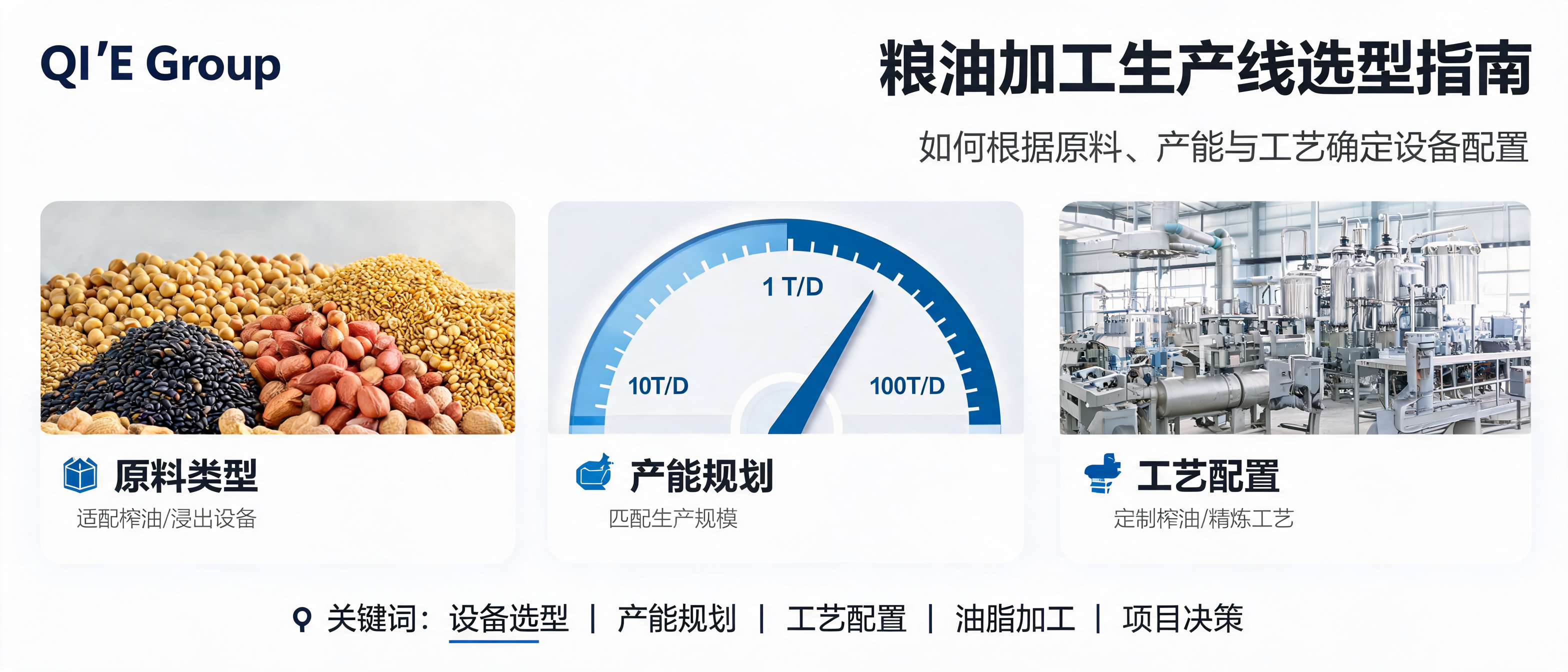
A practical selection sequence: Define the feedstock and production target, establish the process configuration, confirm the scope of automation, compare lifecycle costs, and agree on delivery, acceptance, and service responsibilities before purchase.
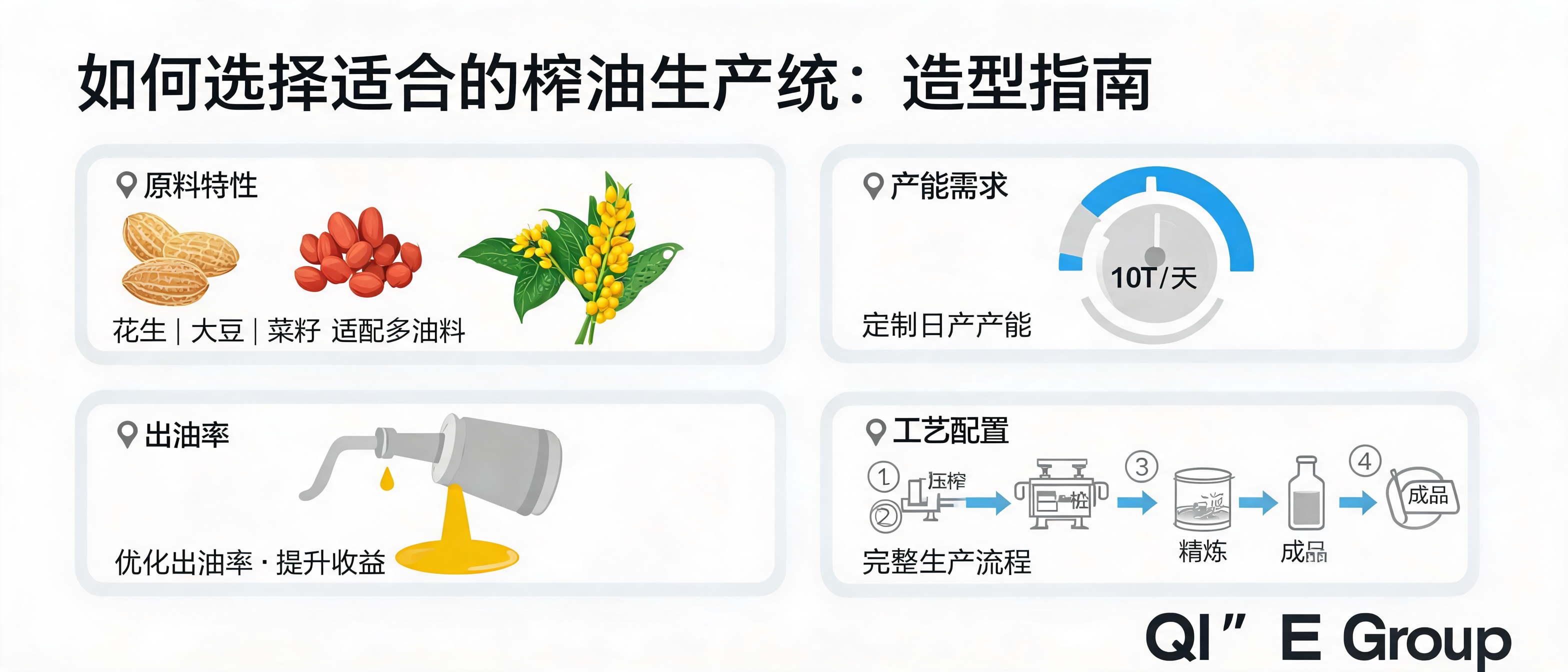
Peanuts, rapeseed, and sesame should not be treated as interchangeable feedstocks. Oil content, moisture, impurities, and pretreatment conditions can affect pressing performance and the equipment configuration required. Suitability for each material should be confirmed for the proposed machine and process rather than assumed from a general product description.
Keep capacity definitions consistent: Oilseed feed throughput is not the same as oil output. Compare equipment using the same raw material, feed condition, operating duration, and measurement method.
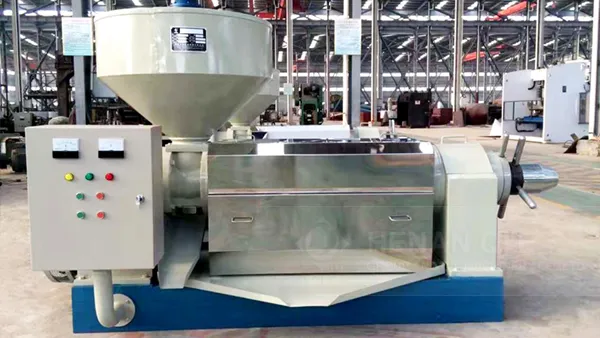
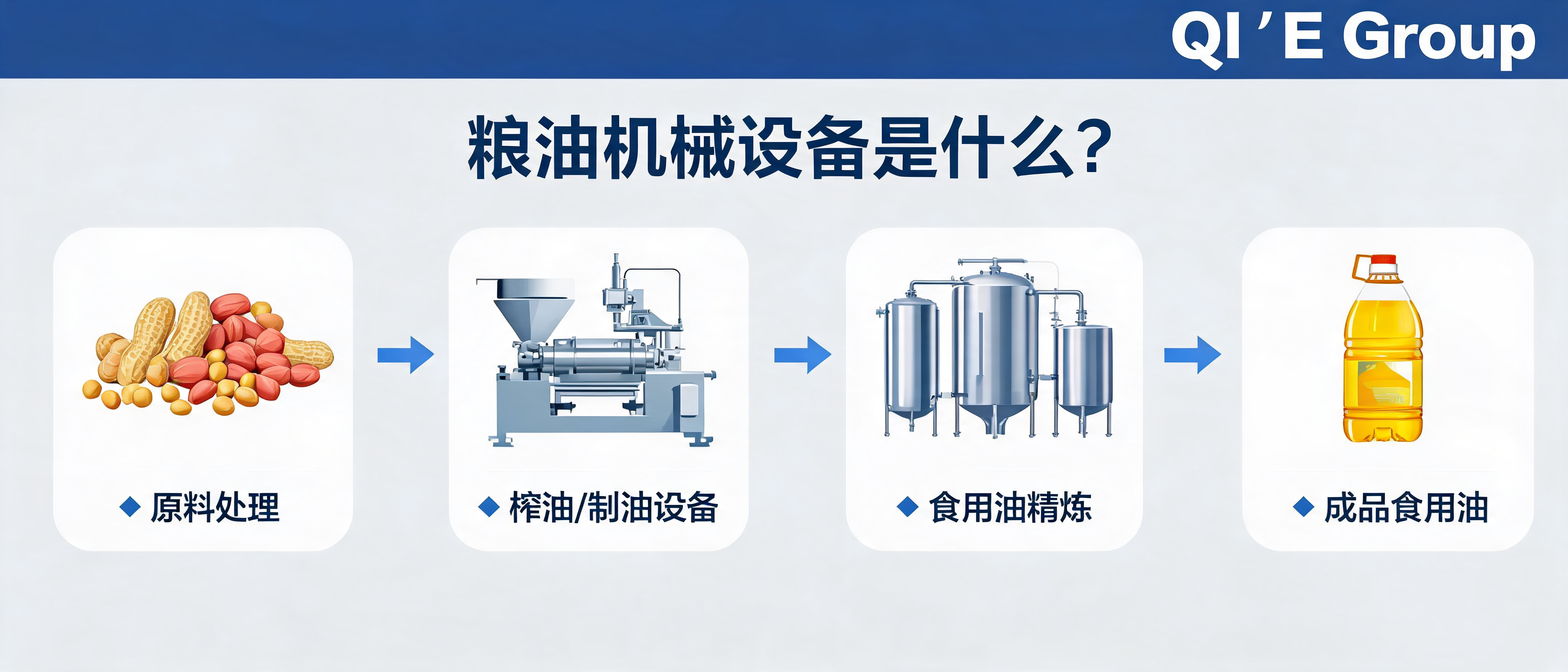
QIE Group’s oil pressing equipment offering covers stages including oilseed storage, screening, stone removal, crushing, softening, pressing, and filtration. The stages required for a particular project depend on the feedstock and process objectives; not every installation needs the same arrangement.
| Process stage | What to confirm |
|---|---|
| Storage and cleaning | How materials will be stored and fed, and which screening and stone-removal steps are needed. |
| Pretreatment | Whether crushing, softening, or other material preparation is required, and the intended condition at the press inlet. |
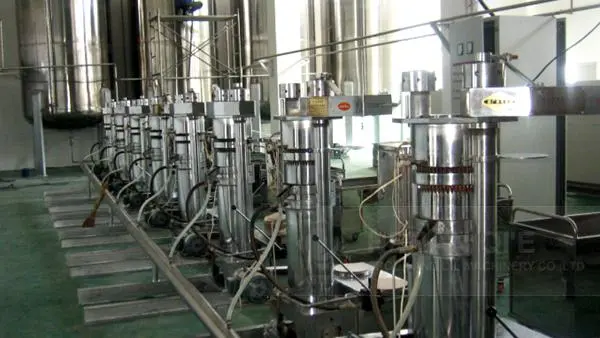
| Pressing | Feedstock compatibility, specified throughput, operating conditions, and how pressing performance will be measured. |
| Filtration | The required solids separation, filtration capacity, cleaning procedure, and connection to oil collection. |
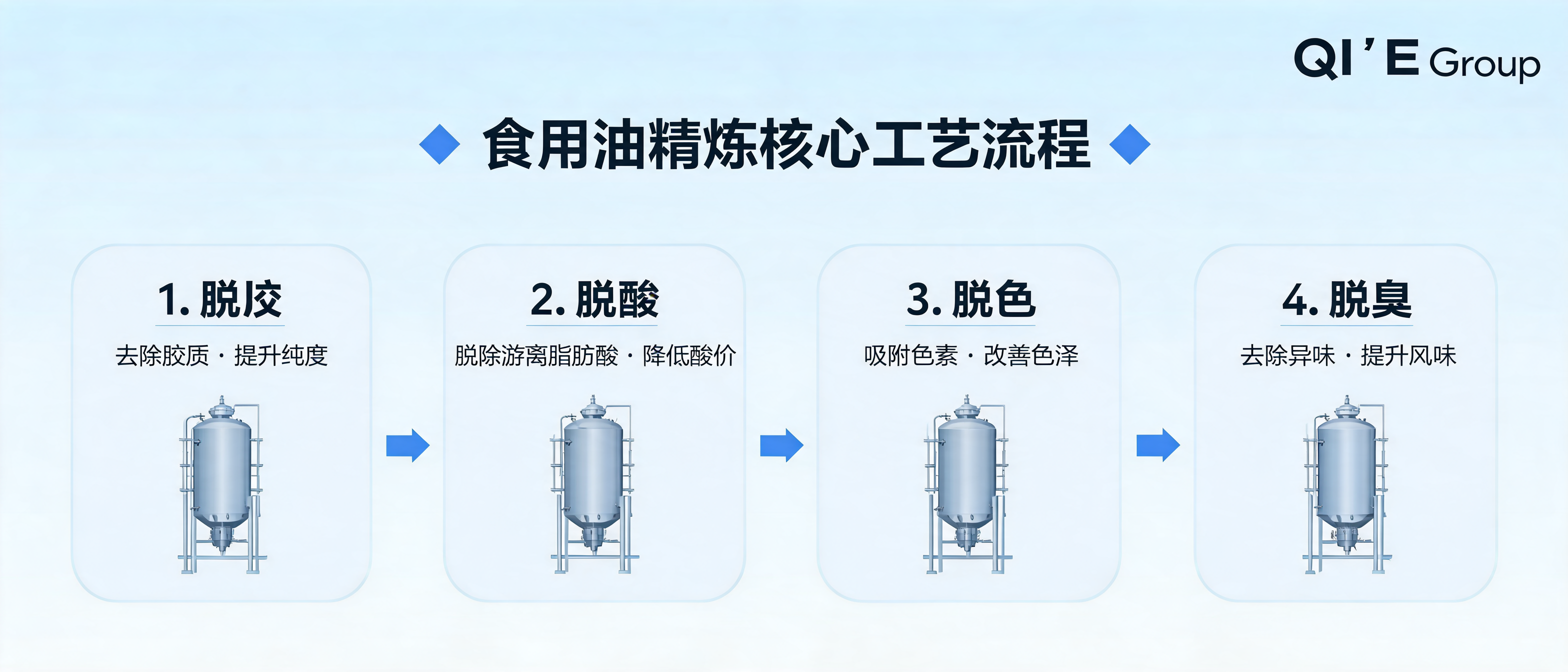
| Downstream processing | Whether further refining is required for the intended oil specification and how the pressing line will connect to it. |
Pressing and filtration do not automatically produce refined oil. Where the project requires additional treatment, assess edible oil refining equipment as a separate part of the overall process design.
Automatic oil press equipment can differ in its control functions and the amount of operator involvement required. An automatic press does not necessarily mean that storage, feeding, pretreatment, filtration, and discharge are all automated.
Use these questions when reviewing QIE Group’s automatic oil press equipment. Confirm the functions included in the proposed configuration rather than relying on the product category name alone.
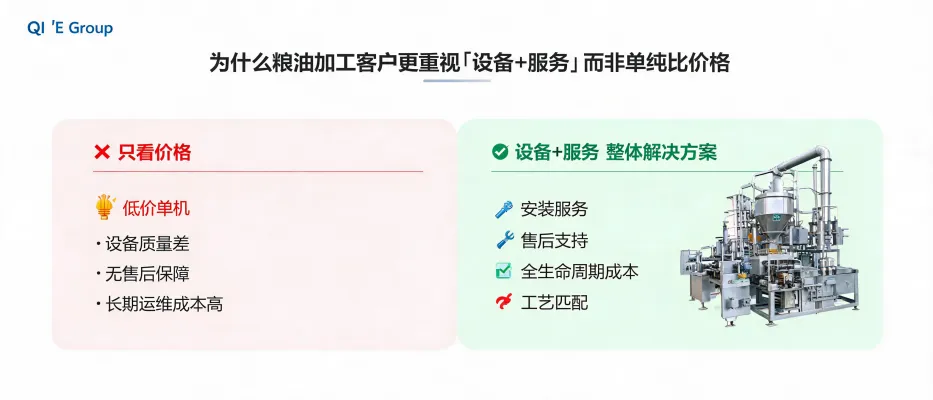
A meaningful cost comparison uses the same supply scope and production assumptions for every proposal. A lower equipment price may exclude supporting machinery, installation work, or operating requirements that another quotation includes.
Request performance and consumption figures with their test conditions. Oil recovery, energy use, and production economics depend on the raw material and operating setup; they should not be treated as universal guarantees.
Acceptance criteria make the purchase specification verifiable. Define what will be checked before shipment and what will be demonstrated after installation, including the materials, operating conditions, and responsibilities for each test.
Procurement note: Request the quality-management documents and patent information relevant to the supplied equipment. Check their applicability and current status where required; these documents do not replace project-specific performance verification.
QIE Group provides oil pressing equipment and supporting services from design to installation, with technical support and after-sales service. Its equipment serves markets including Asia, Africa, and South America.
For a focused project discussion, prepare your oilseed details, target feed throughput, operating hours, intended oil specification, site layout, utility availability, and preferred automation scope. For an existing plant, include the equipment and interfaces that the new system must work with.
A suitable proposal should connect these requirements to a defined process configuration, transparent supply scope, and agreed acceptance criteria—giving your team a practical basis for purchasing and long-term operation.

 335
|
 oil press machine purchasing mistakes edible oil equipment selection actual oil production capacity oil mill equipment supplier evaluation Qi'e Grain and Oil Machinery Co., Ltd.
227
|
Qi'e Grain and Oil Machinery Co., Ltd. edible oil processing plant oil pressing equipment procurement equipment supplier evaluation capacity verification and technical service
74
|
Qi'e Grain and Oil Machinery Co., Ltd. integrated grain and oil machinery solutions hydraulic oil press oil production line equipment edible oil refining equipment
249
|
Qi'e Grain and Oil Machinery Co., Ltd. oil processing machinery oil production line equipment hydraulic oil press edible oil refining equipment
 447
|
QIE Group automatic oil pressing equipment vegetable oil production line oilseed pretreatment and pressing intelligent energy-efficient oil processing