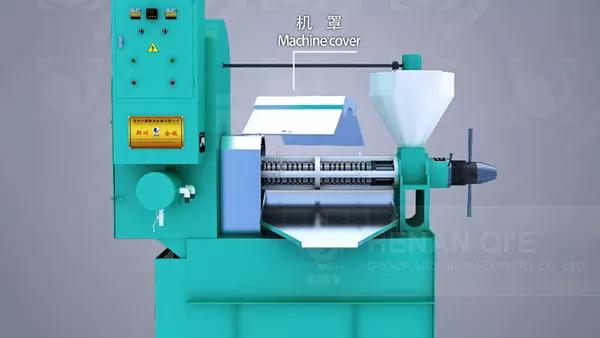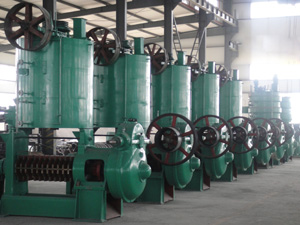
In the evolving landscape of plant oil extraction, selecting the right pressing method is crucial for optimizing oil yield and quality. Hot pressing and cold pressing stand as two fundamental industrial approaches but differ significantly in their operational parameters and suitability for various oilseeds. This article explores the core distinctions between these methods, aligning pressing machine parameters—pressure, temperature, and duration—with the physicochemical traits of common oil-bearing crops such as soybean, rapeseed, and cottonseed. Backed by real-world industrial data, the analysis offers actionable insights for equipment selection and operational improvements in large-scale oil processing.
Each oilseed presents unique characteristics influencing pressing efficiency. Parameters such as oil content (ranging from 15% in cottonseed to over 20% in soybeans), moisture level (typically 6–12%), and particle size after pre-treatment directly affect pressing dynamics:
Hot and cold pressing diverge notably in operational conditions:
| Parameter | Hot Pressing | Cold Pressing |
|---|---|---|
| Temperature | 90–120°C | Below 50°C |
| Pressure | 20–30 MPa (megapascals) | 15–25 MPa |
| Pressing Time | 40–60 minutes per batch | 30–50 minutes per batch |
The elevated temperatures in hot pressing soften the seeds' cellular matrix, facilitating higher oil yield. Conversely, cold pressing preserves heat-sensitive nutrients and flavor compounds, commanding niche markets such as organic and premium edible oils.

Real industrial operations reveal nuanced adjustments tailored to specific crops:

It’s critical to weigh the technical benefits and downsides aligned with operational goals:
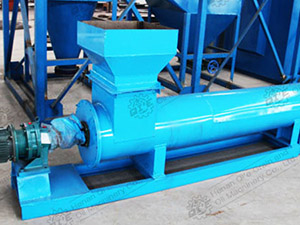
Common pressing issues and their resolutions:
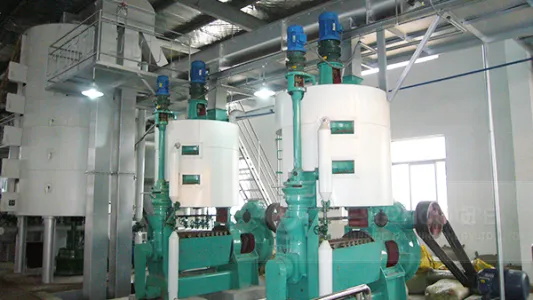
Ready to optimize your plant oil production? Discover our range of advanced hydraulic & pre-press machines engineered for unmatched efficiency and quality control.
 397
|
397
|
 Large Screw Press
ZY24 Screw Oil Press
Petroleum Equipment Screw Press
Oil Mill Screw Press
High Efficiency Oil Press
Durable Screw Oil Press
Versatile Oil Press
Energy Saving Oil Press
Oil Extraction Equipment
Large Screw Press
ZY24 Screw Oil Press
Petroleum Equipment Screw Press
Oil Mill Screw Press
High Efficiency Oil Press
Durable Screw Oil Press
Versatile Oil Press
Energy Saving Oil Press
Oil Extraction Equipment
 479
|
large hydraulic/pre-press machines
vegetable oil processing hydraulic machines
energy-efficient pre-press machines
479
|
large hydraulic/pre-press machines
vegetable oil processing hydraulic machines
energy-efficient pre-press machines
 443
|
screw press for oil extraction
secondary pressing process
solvent extraction vs mechanical pressing
oilseed processing efficiency
continuous oil pressing system
443
|
screw press for oil extraction
secondary pressing process
solvent extraction vs mechanical pressing
oilseed processing efficiency
continuous oil pressing system
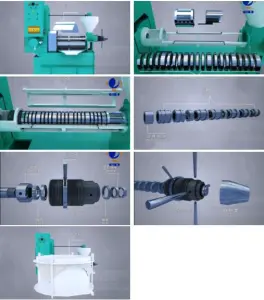 497
|
Multifunctional Spiral Hot And Cold Oil Press
Spiral Oil Press
Hot and Cold Oil Press
Oil Extraction Equipment
Commercial Oil Press
Oil Press Machine for Seeds
High Efficiency Oil Press
Durable Oil Press Machine
Cold Press Oil Machine
Hot Press Oil Production
497
|
Multifunctional Spiral Hot And Cold Oil Press
Spiral Oil Press
Hot and Cold Oil Press
Oil Extraction Equipment
Commercial Oil Press
Oil Press Machine for Seeds
High Efficiency Oil Press
Durable Oil Press Machine
Cold Press Oil Machine
Hot Press Oil Production
 483
|
spiral oil press
multifunctional oil press
cold and hot pressing machine
oil extraction equipment
high-quality oil press
483
|
spiral oil press
multifunctional oil press
cold and hot pressing machine
oil extraction equipment
high-quality oil press