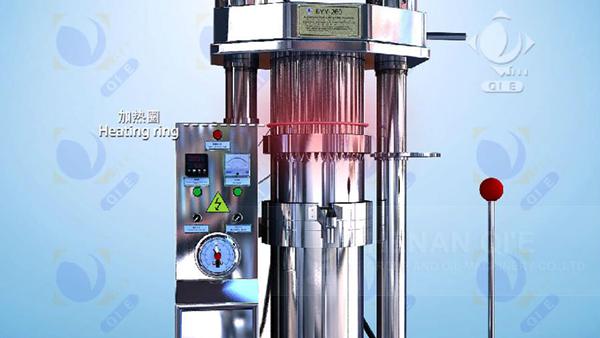
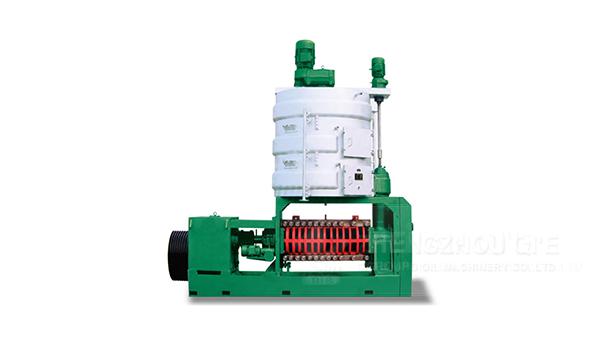
The global vegetable oil industry continually seeks methods to enhance extraction efficiency while maintaining premium oil quality. Among the prominent processing techniques, hot pressing and cold pressing stand as pivotal. This article offers a technical examination of these methodologies, focusing on their core differences, optimization of pressing parameters tailored to various oilseeds, and practical industrial insights to elevate both yield and oil quality for decision-makers and process engineers.
The efficiency and quality of oil extraction heavily depend on the intrinsic properties of raw materials. Soybean, rapeseed, and cottonseed—key players in vegetable oil production—differ markedly in oil content, moisture percentage, and particle size:
Identifying these parameters guides technicians to fine-tune pressing conditions, improving extraction yield without compromising oil integrity.
| Feature | Hot Pressing | Cold Pressing |
|---|---|---|
| Temperature Control | Typically 70-120°C to enhance oil fluidity and yield | Below 50°C to preserve natural flavor and nutrients |
| Oil Quality | Higher extraction but potential for slight deterioration in color and flavor | Superior taste, color, and antioxidant retention |
| Applicable Raw Materials | Best for oilseeds with hard shells or higher moisture content | Optimal for delicate seed varieties prone to heat degradation |
| Output Yield | Approximately 3-5% higher than cold pressing | Typically lower but with better nutrient preservation |
Fine-tuning pressing parameters is critical. Using an advanced hydraulic press or pre-press machine configured to the seed type ensures optimal results:
Applying scientific pressure curves and pre-heating stages enhances process stability and oil quality consistency.
A case from an established soy oil producer showed that shifting from a uniform hot pressing approach at 110°C to a staged pressure-temperature modulation (90°C initial heating, incremental pressure rise to 40 MPa over 45 seconds) improved oil yield by 4.7%, with a 15% reduction in acid value, indicating improved oil stability.
Another instance with rapeseed pressing demonstrated that cold pressing at sub-50°C retained 30% more natural tocopherols, consistent with sensory panel feedback highlighting fresher taste and brighter oil color, favourably impacting premium product segments.
Typical issues such as material clogging and uneven pressing can be mitigated by:
| Seed Type | Optimal Temperature (°C) | Hydraulic Pressure (MPa) | Recommended Press Time (seconds) | Expected Oil Yield (%) |
|---|---|---|---|---|
| Soybean | 90-100 | 35-45 | 45-60 | 18-20% |
| Rapeseed | 40-50 (Cold) / 90-110 (Hot) | 30-40 | 30-50 | 40-45% |
| Cottonseed | 75-95 | 38-43 | 40-55 | 18-22% |

 214
|
214
|
 screw press oil extractor
industrial oil production equipment
cold press vs hot press
oil extraction efficiency
durable oil pressing machine
screw press oil extractor
industrial oil production equipment
cold press vs hot press
oil extraction efficiency
durable oil pressing machine
 374
|
Small and medium - sized screw oil presses
Screw shaft design
Pressing temperature control
Oil quality optimization
Equipment selection pitfalls
374
|
Small and medium - sized screw oil presses
Screw shaft design
Pressing temperature control
Oil quality optimization
Equipment selection pitfalls
.jpg?x-oss-process=image/resize,h_300,m_lfit/format,webp) 389
|
secondary pressing vs solvent extraction
continuous screw oil press machine
small oil mill processing
residual oil rate comparison
oilseed press efficiency
389
|
secondary pressing vs solvent extraction
continuous screw oil press machine
small oil mill processing
residual oil rate comparison
oilseed press efficiency
 366
|
seed preprocessing equipment for oil extraction
comprehensive solutions for edible oil production
customer-centric service in oil processing
366
|
seed preprocessing equipment for oil extraction
comprehensive solutions for edible oil production
customer-centric service in oil processing
 466
|
Penguin oil pressing equipment
high-efficiency oil pressing equipment
ISO9001 oil equipment
466
|
Penguin oil pressing equipment
high-efficiency oil pressing equipment
ISO9001 oil equipment