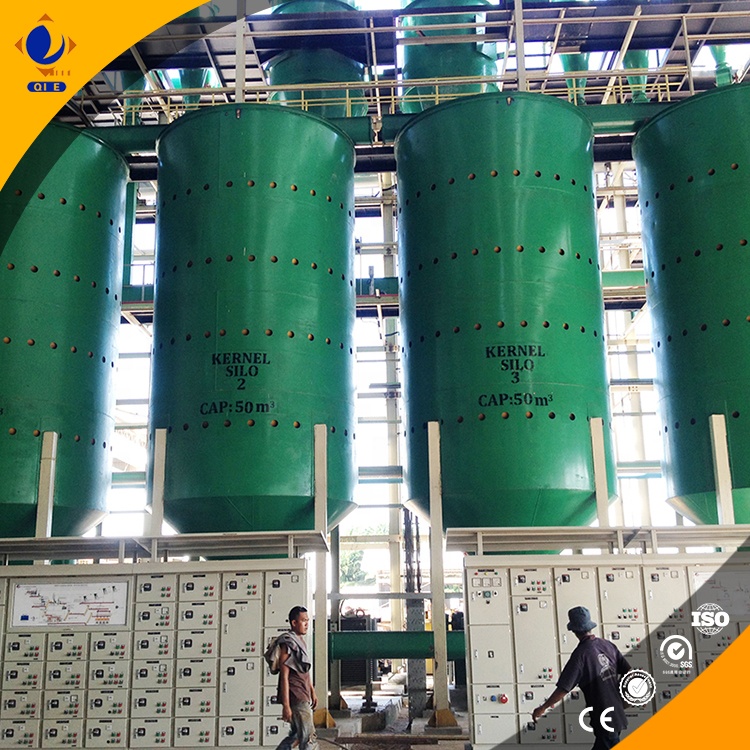
PROJECT DELIVERY FOR GRAIN AND OIL PROCESSING
A grain and oil machinery project is more than equipment procurement. It is a coordinated process that connects raw material characteristics, production targets, process configuration, manufacturing, site installation, commissioning, operator readiness, and ongoing technical support. Clear delivery stages help project owners manage scope, communication, and production preparation with greater confidence.
For oil pressing, oil extraction, and edible oil refining projects, each stage affects the next. Process decisions influence equipment selection; installation quality affects commissioning; and commissioning outcomes depend on site conditions and operator participation. Qi'e Grain and Oil Machinery Co., Ltd. supports customers through an integrated delivery approach designed for grain and oil processing line projects.
The objective is to establish a practical handover path: define the processing requirement, align the process and equipment scope, coordinate production and delivery, complete installation and commissioning activities, and prepare the operating team for normal production management.
The delivery process begins with an understanding of the planned processing task. This includes the intended oilseed or feed material, desired processing capacity, product direction, site conditions, available utilities, and the customer’s expected project scope. Early communication helps distinguish between a single-machine purchase and a complete production line requirement.
Key focus: defining the production objective, processing route, equipment boundary, and site-related constraints before detailed configuration begins.
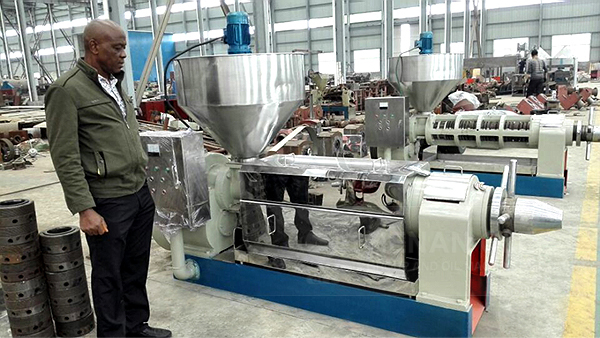
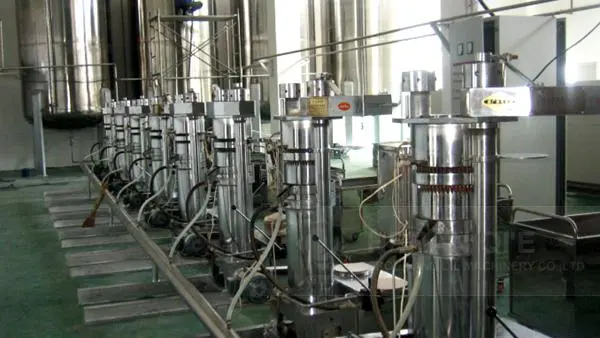
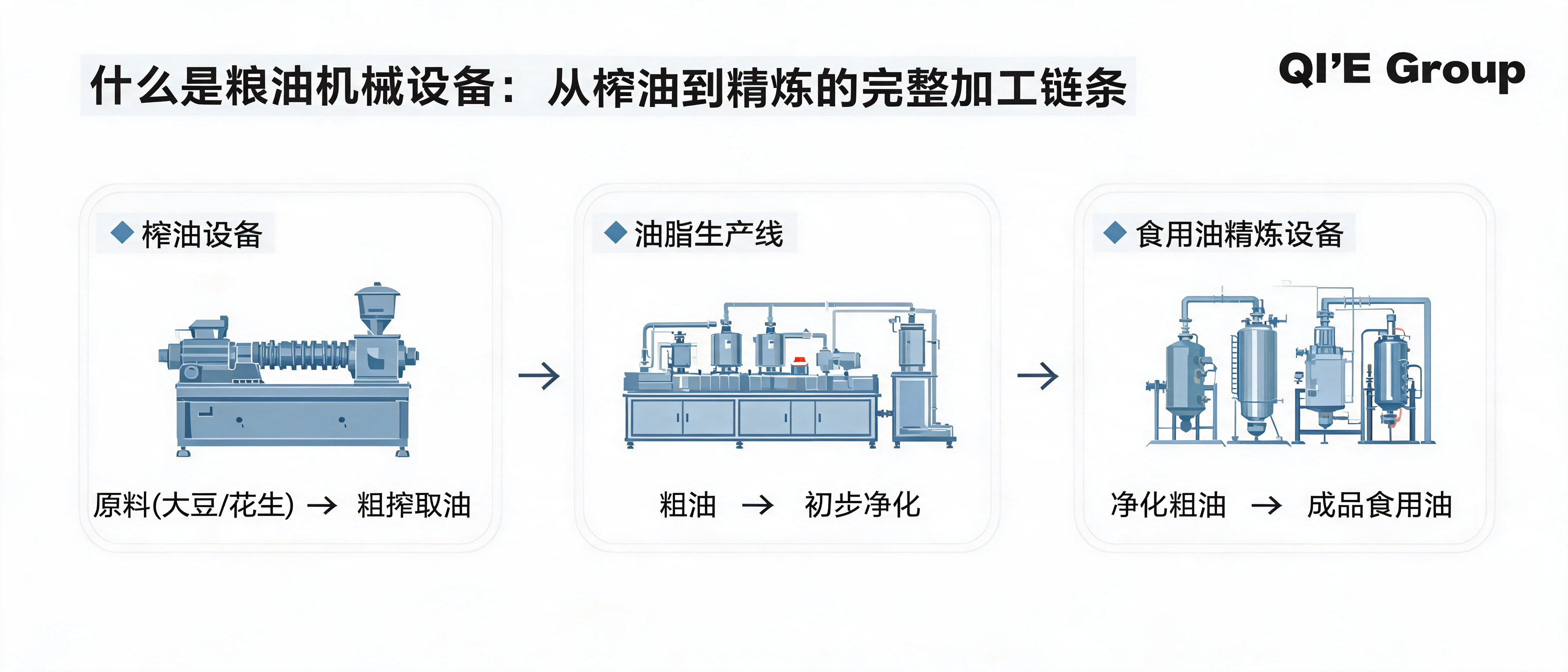
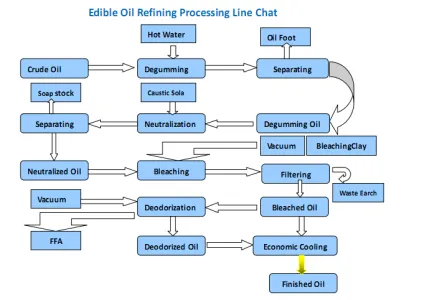
Based on the confirmed requirement, the processing flow and equipment configuration can be discussed. Depending on the project, this may involve oil pressing equipment, oil production line equipment, solvent extraction equipment, edible oil refining equipment, conveying systems, supporting units, and related control arrangements.
A process-oriented configuration considers how each unit connects to the next rather than treating machinery as isolated items. This is especially important where pre-treatment, pressing or extraction, oil clarification, refining, and material handling need to operate as one coordinated system.
After the equipment scope is confirmed, manufacturing and procurement activities move forward according to the agreed project arrangement. At this stage, clear communication on equipment specifications, interfaces, delivery sequencing, and supporting documentation helps keep the project organized.
For buyers, this stage is also an opportunity to verify that the selected supplier can coordinate the relationship between process equipment, auxiliary equipment, shipment planning, and on-site preparation.
Before equipment arrives, the project site should be prepared for installation. Readiness may include space planning, foundations or structural conditions where applicable, access for unloading, utility connections, material storage, and coordination with local construction or installation teams.
Equipment delivery is most effective when the site preparation schedule and installation sequence are considered in advance. This reduces avoidable waiting between equipment arrival and field work.
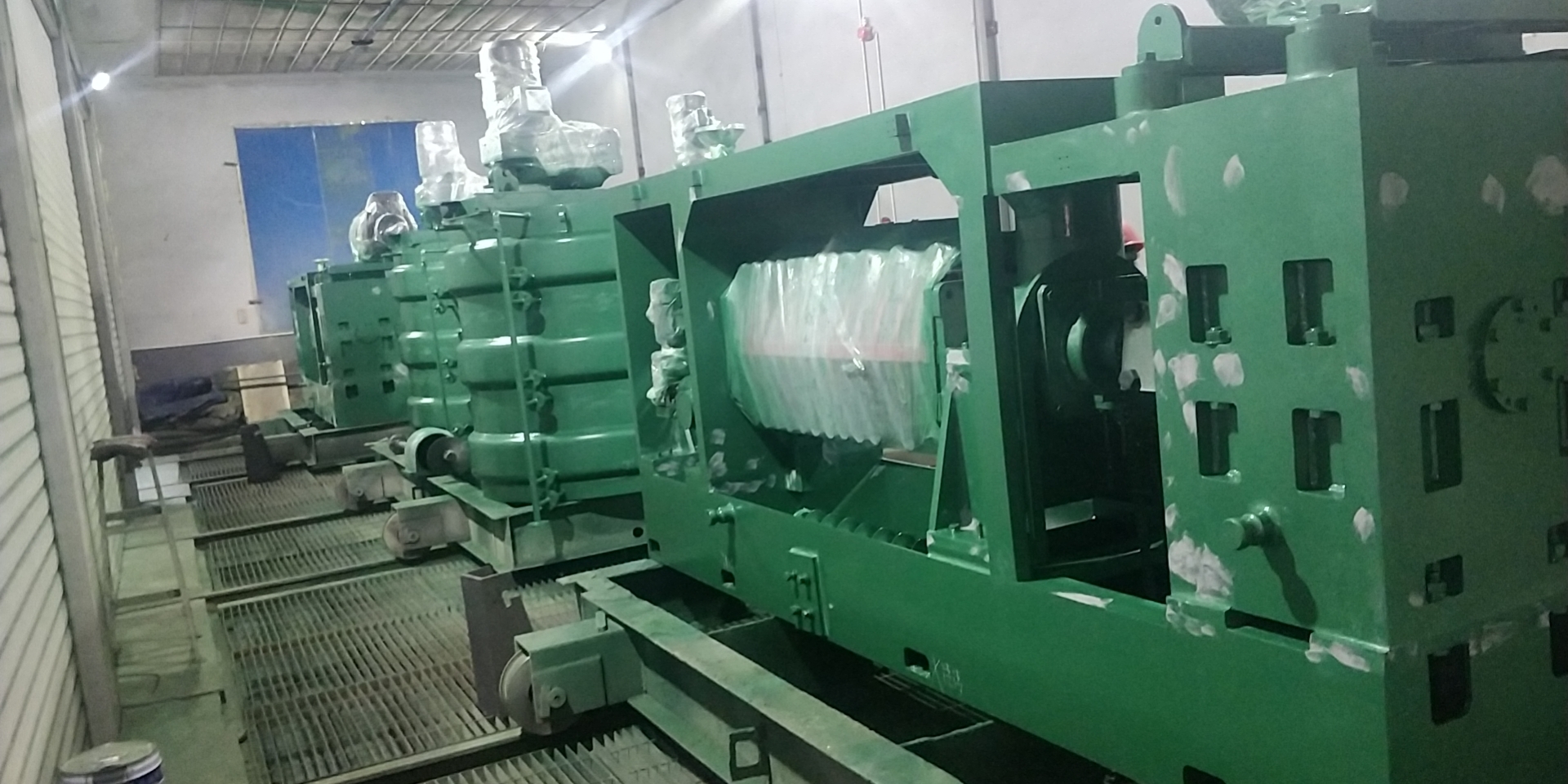
Installation connects the designed processing route to the physical production environment. Equipment placement, mechanical connections, piping, electrical work, conveying routes, and auxiliary systems must be coordinated with the approved process layout and local site conditions.
For a complete grain and oil processing line, installation is not only about assembling individual machines. It is the stage at which the material flow, equipment interfaces, and operational access points become an integrated production system.
Commissioning is used to check equipment operation, system connections, and process coordination before regular production begins. Activities may include inspection of installed equipment, no-load operation, adjustment of relevant operating conditions, and trial processing based on the project arrangement.
The purpose of commissioning is to help the project team understand how the installed line operates as a whole and to identify items that require adjustment before the system enters routine use.
A production line depends on the people who operate and maintain it. Operator training can cover equipment operation, routine inspection, basic maintenance awareness, operating procedures, and communication of technical questions during the early operating period.
Qi'e Grain and Oil Machinery Co., Ltd. treats technical service as an important part of project delivery. The service relationship supports customers as they move from equipment installation toward stable day-to-day operation and future project needs.
When selecting a supplier for a grain and oil machinery project, equipment capability is important, but it is only one part of the evaluation. Project delivery also requires coordination across technical, logistical, and on-site activities.
| Evaluation area | Why it matters for project delivery |
|---|---|
| Process understanding | Helps align equipment selection with the intended material flow and production objective. |
| Equipment integration | Supports coordination between main machinery, auxiliary units, and production line interfaces. |
| Installation and commissioning support | Helps connect delivered equipment with site conditions and practical operating requirements. |
| Technical communication | Keeps project decisions, responsibilities, and progress information clear across stages. |
| Cross-regional service readiness | Is relevant when delivery, installation, and technical coordination involve different markets or locations. |
Providing complete project information at the beginning helps create a more relevant discussion around process design, equipment selection, installation planning, and technical service.
Qi'e Grain and Oil Machinery Co., Ltd. provides grain and oil processing equipment and delivery support for projects involving oil pressing, oil production lines, and edible oil refining. By connecting requirement communication, process discussion, equipment manufacturing, installation, commissioning, training, and technical service, the company helps B2B buyers approach project delivery as a coordinated production-line process rather than a standalone equipment transaction.
 368
|
368
|
 oilseed storage capacity design
daily processing volume
preprocessing module
oil mill equipment
seed processing technology
oilseed storage capacity design
daily processing volume
preprocessing module
oil mill equipment
seed processing technology
 175
|
Qi'e Grain and Oil Machinery Co., Ltd.
grain and oil machinery equipment
oil pressing machinery
oil production equipment
edible oil refining
175
|
Qi'e Grain and Oil Machinery Co., Ltd.
grain and oil machinery equipment
oil pressing machinery
oil production equipment
edible oil refining
 121
|
Qi'e Grain and Oil Machinery Co., Ltd.
oil processing line selection
capacity planning
oil yield
edible oil refining
121
|
Qi'e Grain and Oil Machinery Co., Ltd.
oil processing line selection
capacity planning
oil yield
edible oil refining
.jpg?x-oss-process=image/resize,h_300,m_lfit/format,webp) 419
|
continuous screw oil press efficiency
small and medium oil mill automation
oilseed processing optimization
screw oil press working principle
pressing equipment selection guide
419
|
continuous screw oil press efficiency
small and medium oil mill automation
oilseed processing optimization
screw oil press working principle
pressing equipment selection guide
.jpg?x-oss-process=image/resize,h_300,m_lfit/format,webp) 160
|
industrial oil press equipment
crushing granularity control
pressing efficiency
oilseed processing
pretreatment technology
160
|
industrial oil press equipment
crushing granularity control
pressing efficiency
oilseed processing
pretreatment technology