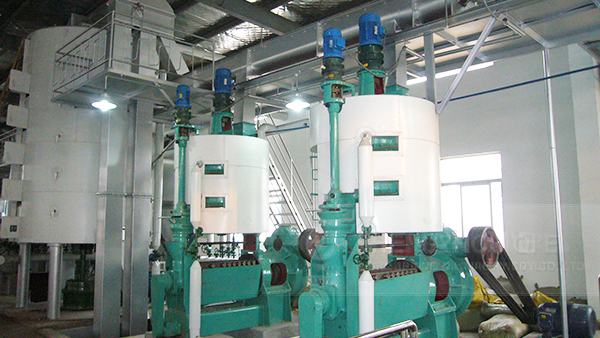
We've found that improper temperature control in vegetable oil pressing equipment can lead to a host of problems for our B2B customers. For instance, low oil yield is a common headache. When the temperature is not well - regulated, the oil extraction process is not efficient, resulting in a significant reduction in the amount of oil obtained from raw materials such as peanuts and soybeans. In some cases, the oil yield can drop by up to 10% compared to when the temperature is precisely controlled.
Flavor loss is another issue. The unique flavors of different vegetable oils are highly sensitive to temperature. If the temperature is too high during the pressing process, the natural flavors of the oils can be lost, making the final product less appealing to consumers. Moreover, frequent alarms due to temperature irregularities can disrupt the production process, causing downtime and reducing overall productivity.
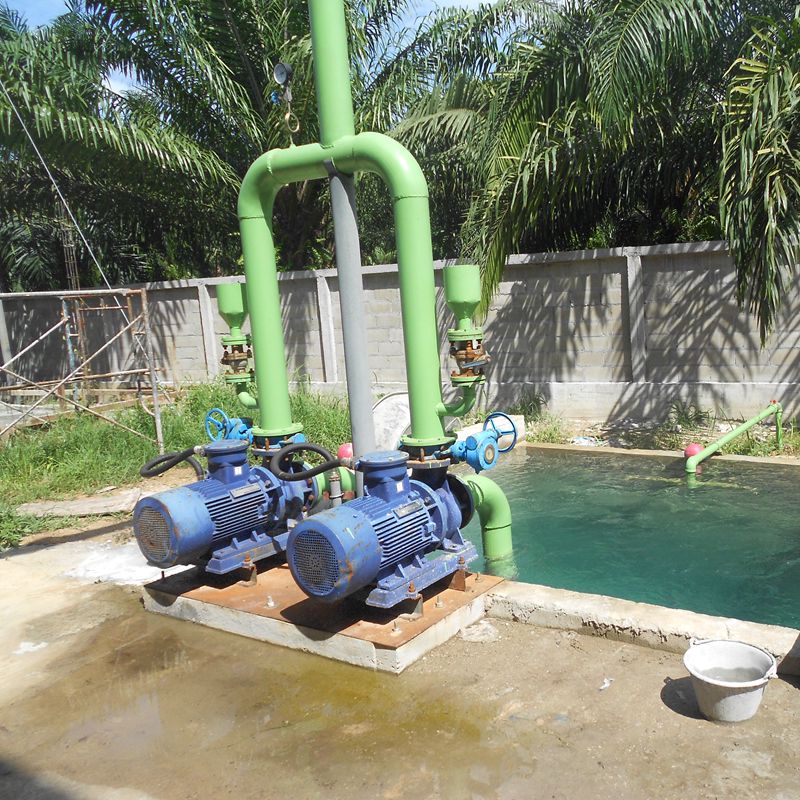
We understand that to solve these problems, it's crucial to understand how temperature affects the pressing process. Temperature plays a vital role in the structure of proteins in the raw materials. High temperatures can cause proteins to denature, which in turn affects the oil extraction process. For example, when the temperature exceeds 80°C, the proteins in soybeans start to denature rapidly, leading to a decrease in the ability of the oil to separate from the solid components.
Temperature also impacts oil oxidation and emulsification stability. Oxidation can lead to the formation of unpleasant odors and a decrease in the shelf - life of the oil. By controlling the temperature, we can slow down the oxidation process. When it comes to emulsification stability, proper temperature control ensures that the oil and water in the raw materials separate effectively, resulting in a clearer and more stable oil product. Studies have shown that a temperature control accuracy of ±1°C can significantly reduce the oxidation rate compared to an accuracy of ±5°C, improving the brightness of the oil by up to 20%.
We know that different raw materials have different moisture contents, which require different pre - heating temperature ranges. For raw materials with high moisture content, such as freshly harvested soybeans, the pre - heating temperature should be in the range of 60 - 70°C. This helps to reduce the moisture content and improve the oil extraction efficiency.
On the other hand, for raw materials with low moisture content, like dried peanuts, the pre - heating temperature can be slightly higher, around 70 - 80°C. The position of the temperature sensors is also crucial. We've included a diagram (as shown below) to illustrate the logical placement of sensors. The sensors should be placed near the key areas where temperature control is most critical, such as the inlet and outlet of the pressing chamber.

Even with the best temperature control systems, abnormal situations can still occur. We've compiled a list of typical alarm codes and their quick troubleshooting steps. For example, if the temperature fluctuates by more than ±3°C, the first step is to check the sealing of the heating coils. A loose or damaged seal can cause heat loss and temperature instability.
Another common alarm code indicates that the temperature is too high. In this case, we should first check the cooling system to ensure that it is functioning properly. If the cooling system is working fine, then we need to check the power supply to the heating elements to see if there is an over - supply of power.
To help our B2B customers better manage the temperature control of their vegetable oil pressing equipment, we've prepared a valuable resource - the "Temperature Control Settings Self - Check List" PDF. This checklist contains all the key information you need to ensure that your temperature control system is working at its best.
Click here to download the "Temperature Control Settings Self - Check List" PDF and take your vegetable oil pressing process to the next level.
 127
|
127
|
 Screw oil press
Small and medium - sized oil mills
Oil yield improvement
Pressing temperature control
Pre - heating function
Screw oil press
Small and medium - sized oil mills
Oil yield improvement
Pressing temperature control
Pre - heating function
 318
|
ZY24 screw oil press
multifunctional oil extraction
economic efficiency in oil mills
318
|
ZY24 screw oil press
multifunctional oil extraction
economic efficiency in oil mills
 253
|
vegetable oil pressing temperature control system
step-by-step heating mode
factors affecting oil yield
screw oil press operation skills
oil processing temperature control
253
|
vegetable oil pressing temperature control system
step-by-step heating mode
factors affecting oil yield
screw oil press operation skills
oil processing temperature control
.jpg?x-oss-process=image/resize,h_300,m_lfit/format,webp) 389
|
secondary pressing vs solvent extraction
continuous screw oil press machine
small oil mill processing
residual oil rate comparison
oilseed press efficiency
389
|
secondary pressing vs solvent extraction
continuous screw oil press machine
small oil mill processing
residual oil rate comparison
oilseed press efficiency
 467
|
screw oil press
oil extraction efficiency
small oil mill optimization
oilseed pressing technology
press parameter adjustment
467
|
screw oil press
oil extraction efficiency
small oil mill optimization
oilseed pressing technology
press parameter adjustment