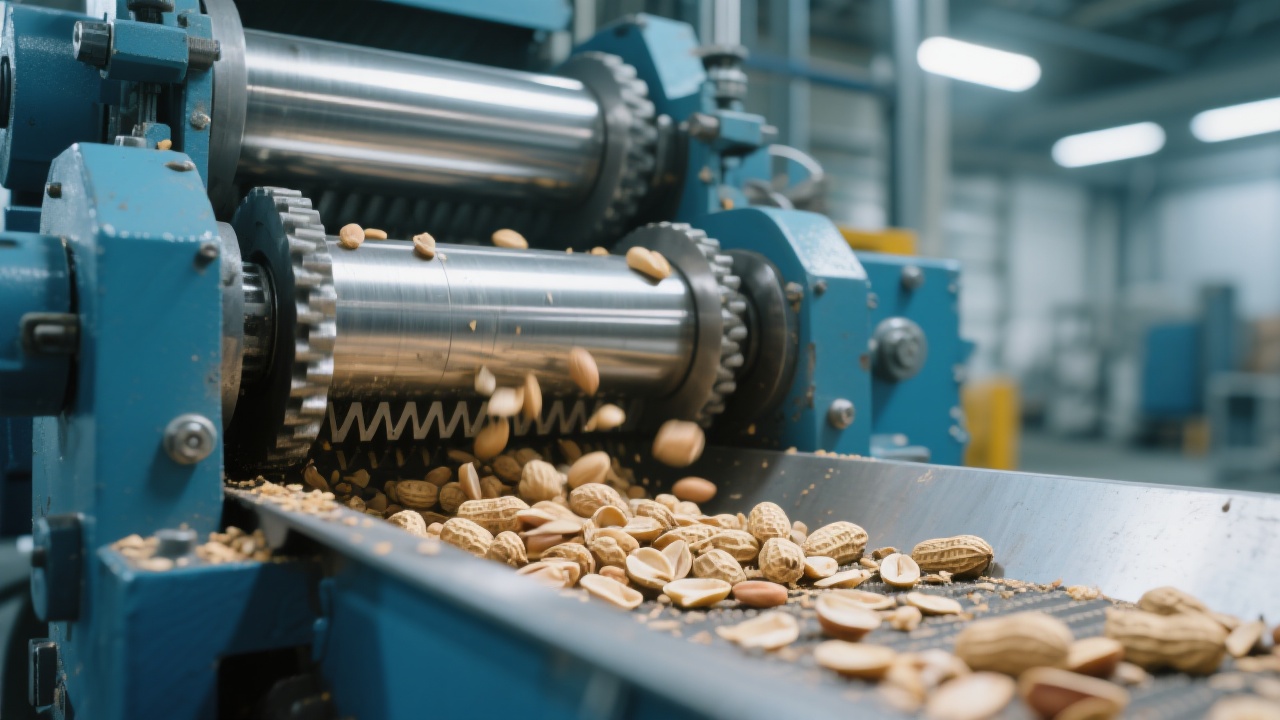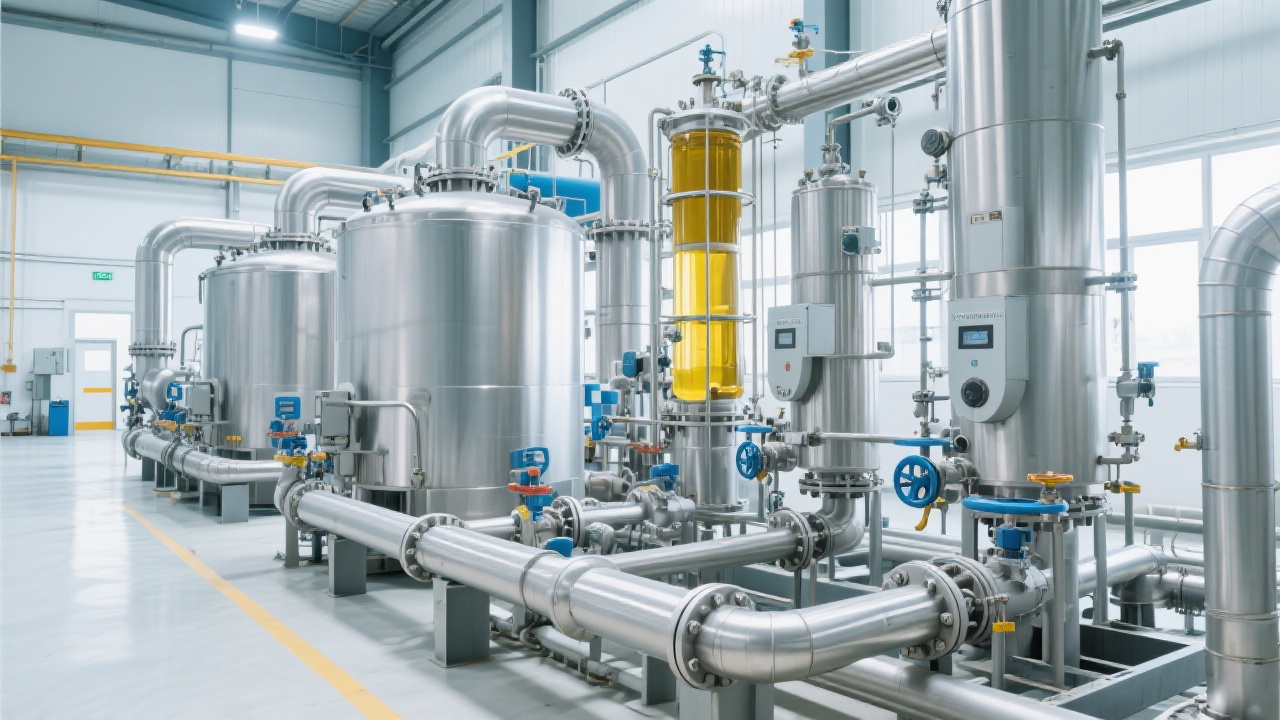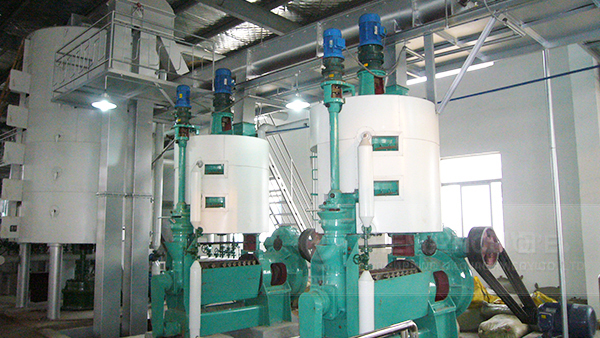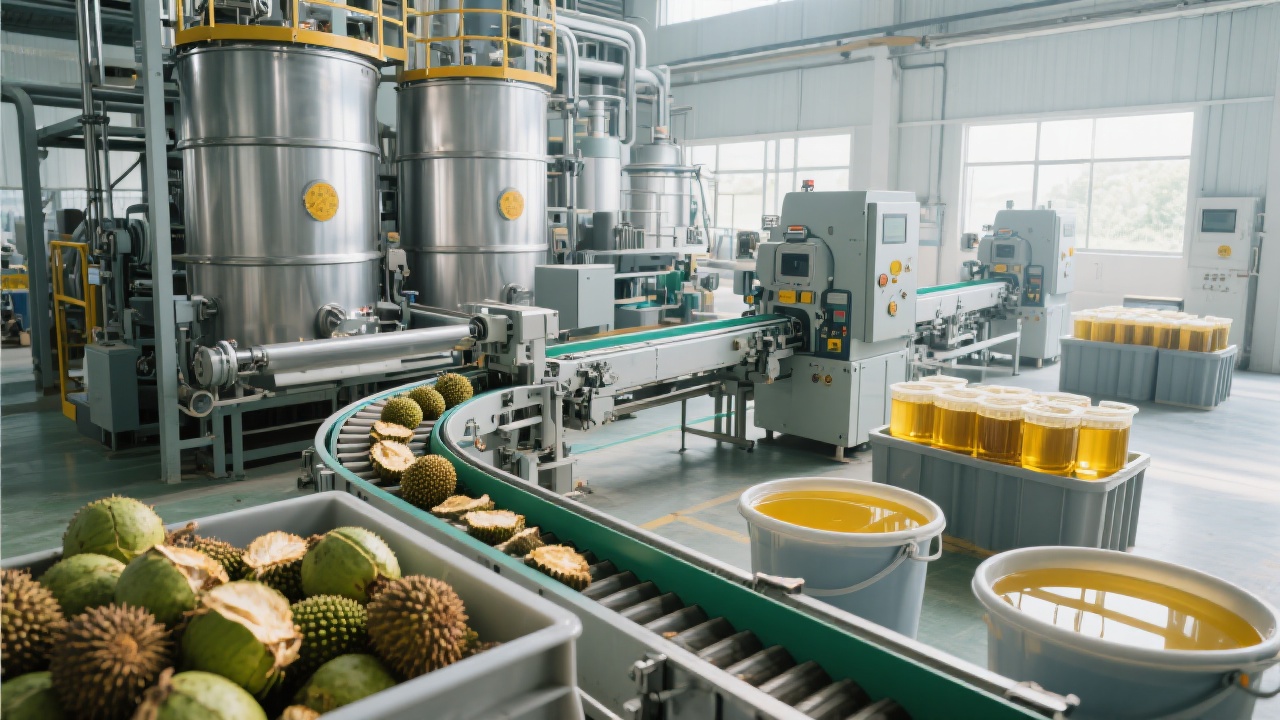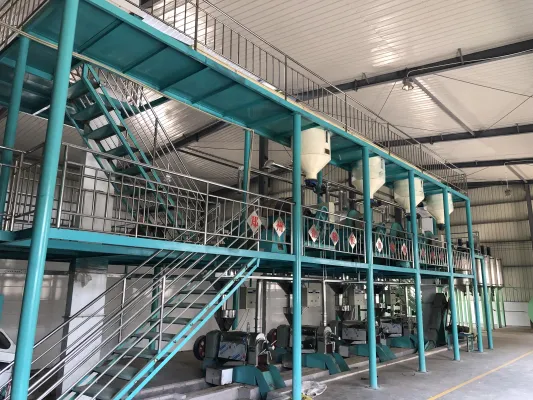
In industrial oil extraction, selecting the right pressing parameters isn’t just about choosing a machine—it’s about aligning process variables (pressure, temperature, time) with the physical properties of your raw material. Whether you're processing soybeans, rapeseed, or cottonseed, understanding how these factors interact can mean the difference between high yield and costly downtime.
Each oilseed has unique characteristics that directly influence pressing efficiency:
| Oilseed Type | Oil Content (%) | Moisture Content (%) | Particle Size (mm) |
|---|---|---|---|
| Soybean | 18–22% | 8–12% | 3–6 mm |
| Rapeseed | 35–45% | 6–10% | 4–7 mm |
| Cottonseed | 18–25% | 8–14% | 2–5 mm |
“The key to maximizing oil recovery lies in matching mechanical pressure to seed structure—not just applying brute force.” — Dr. Elena Rodriguez, Food Engineering Research Institute
Thermal treatment during pressing affects both output and quality:
A case study from a Chinese edible oil plant shows that switching from fixed-pressure hot pressing to adaptive temperature control reduced energy use by 18% while increasing average daily throughput by 12%—without compromising final oil clarity.

Even with precise planning, issues arise:
Pro tip: Use real-time sensor feedback on your hydraulic presses to detect anomalies early—this cuts maintenance costs by up to 25% annually.
If you're working with specific oilseeds and want to fine-tune your pressing strategy—or are evaluating new equipment—our team offers free technical consultations tailored to your production scale and goals.
Get Customized Equipment Configuration Advice
 418
|
418
|
 6YL-185 Screw Hydraulic Press
6YL-185 Oil Press Machine
Screw Oil Press 6YL-185
Hydraulic Oil Press 6YL-185
6YL-185 Vegetable Oil Extraction
6YL-185 Oil Processing Equipment
6YL-185 Commercial Oil Press
6YL-185 Oilseed Press Machine
6YL-185 Efficient Oil Yield
6YL-185 Durable Oil Press
6YL-185 Screw Hydraulic Press
6YL-185 Oil Press Machine
Screw Oil Press 6YL-185
Hydraulic Oil Press 6YL-185
6YL-185 Vegetable Oil Extraction
6YL-185 Oil Processing Equipment
6YL-185 Commercial Oil Press
6YL-185 Oilseed Press Machine
6YL-185 Efficient Oil Yield
6YL-185 Durable Oil Press
 203
|
medium-sized screw oil press
edible oil processing solution
high-efficiency oil extraction
203
|
medium-sized screw oil press
edible oil processing solution
high-efficiency oil extraction
 49
|
medium screw oil press
material blockage solution
oil press overheating
pre-treatment process optimization
screw press efficiency
49
|
medium screw oil press
material blockage solution
oil press overheating
pre-treatment process optimization
screw press efficiency
 350
|
Penguin oil press equipment
efficient oil extraction machinery
eco-friendly oil processing plant
oilseed processing equipment
oil press investment return
350
|
Penguin oil press equipment
efficient oil extraction machinery
eco-friendly oil processing plant
oilseed processing equipment
oil press investment return
 340
|
screw oil press
small oil mill equipment
oil extraction efficiency
screw shaft design
temperature control in oil pressing
340
|
screw oil press
small oil mill equipment
oil extraction efficiency
screw shaft design
temperature control in oil pressing