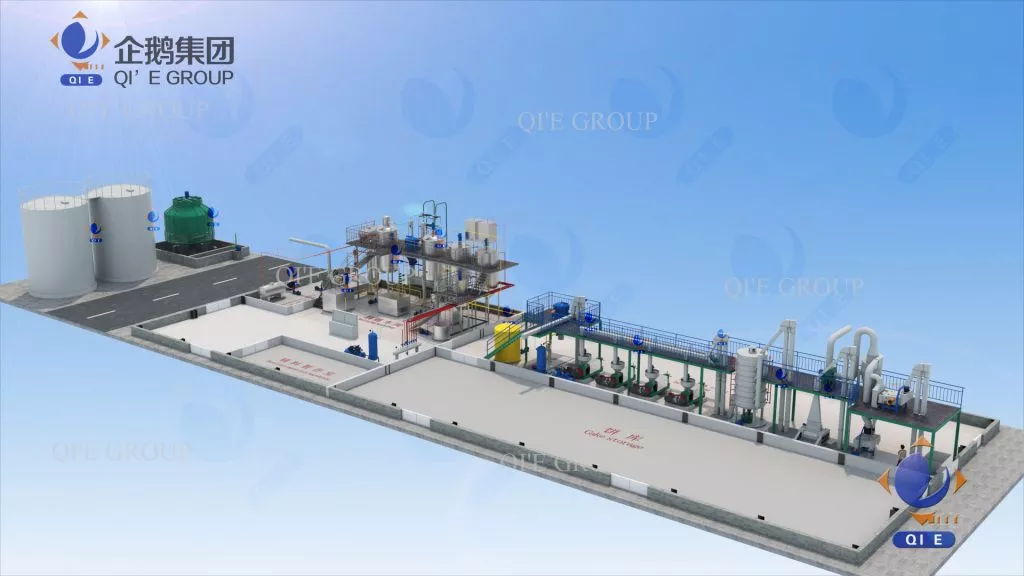
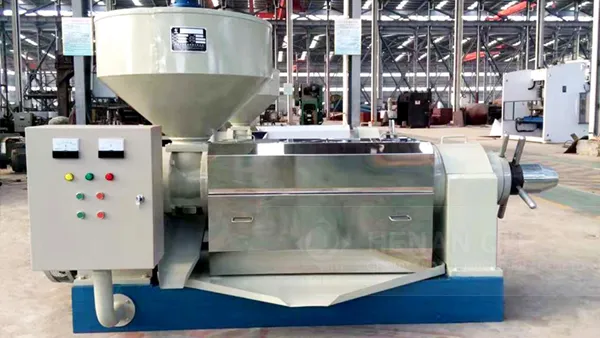
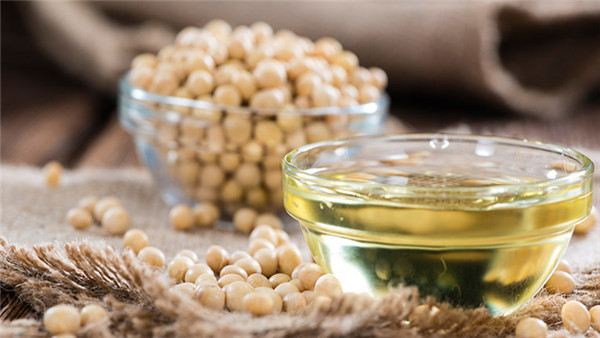
An edible oil production line is an integrated processing system that converts oil-bearing materials into finished edible oil through coordinated stages of preparation, oil recovery, crude oil treatment, refining, and finished oil handling. The appropriate process route depends on the oilseed type, the selected processing method, the required production capacity, and the intended finished-oil standard.
Qi'e Grain and Oil Machinery Co., Ltd. develops and supplies equipment and process solutions for oilseed processing, oil pressing, extraction, edible oil refining, and related production-line applications. Each section can be arranged as part of a complete line or considered as a focused processing unit within an existing facility.
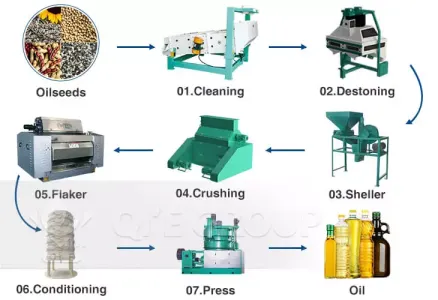
A complete edible oil production line is built around material flow. Although the exact equipment arrangement varies by raw material and project requirements, the process commonly follows the sequence below.
Oilseed pretreatment is the first operational stage of an edible oil production line. Its purpose is to prepare incoming materials for pressing or extraction by improving material condition, handling consistency, and process suitability. The pretreatment sequence is selected according to the physical characteristics of the oilseed and the chosen oil recovery method.
Pretreatment is not identical for every oilseed. For example, soybean, sunflower seed, palm kernel, rapeseed, and other oil-bearing materials may require different preparation steps. A practical line design starts with the raw material rather than applying a single equipment arrangement to every application.
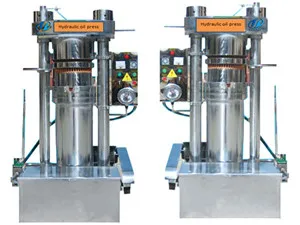
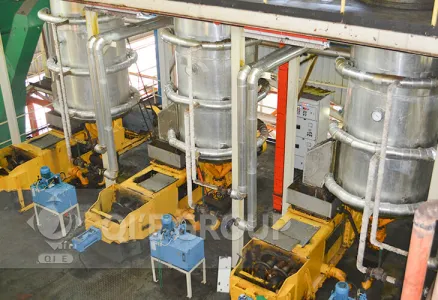
After pretreatment, oil is recovered from the prepared material. The main route may be mechanical pressing, solvent extraction, or a combined process. The choice should be evaluated in relation to the oilseed, process objectives, plant scale, and the overall configuration of the edible oil production line.
| Processing Route | Core Function | Planning Consideration |
|---|---|---|
| Mechanical pressing | Uses oil pressing equipment to separate oil from prepared oil-bearing material. | Suitable equipment selection depends on material characteristics and operating requirements. |
| Solvent extraction | Uses an extraction process to recover oil from suitable prepared material. | Requires a complete process approach that considers material preparation, extraction, and subsequent oil treatment. |
| Combined pressing and extraction | Connects pressing and extraction stages within one production flow. | The interface between sections should be coordinated for consistent material transfer and process control. |
The oil recovery section should not be selected in isolation. Pretreatment quality, crude-oil handling, refining requirements, and finished-product objectives all influence the appropriate route.
Oil obtained from pressing or extraction is generally treated as crude oil before it becomes finished edible oil. Crude oil treatment helps manage suspended matter and supports a stable transition into the refining section. The edible oil refining process is then configured according to the crude oil condition and the required product specification.
This stage focuses on handling oil after recovery and before final refining. Filtration, settling, or other appropriate treatment arrangements may be considered as part of the production flow.
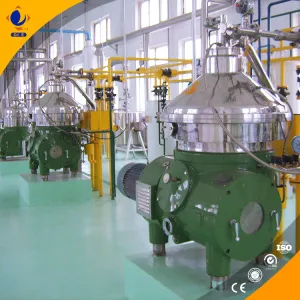
Refining is the process section used to improve crude oil for its intended edible application. The refining configuration should be matched to the oil type, crude-oil characteristics, and required finished-oil standard.
Because different oils have different processing characteristics, edible oil refining should be planned as an integrated part of the line. The refining section needs to connect reliably with upstream oil recovery and downstream finished-oil handling.
After refining, finished oil is transferred to the handling stage for storage, movement within the plant, packaging preparation, or dispatch according to the project scope. This final section should support orderly material flow and align with the plant’s planned production and delivery arrangements. For some projects, finished-oil handling is designed as part of the complete line; for others, it is coordinated with existing storage or packaging facilities.
An edible oil production line is not a one-size-fits-all equipment package. A clear project brief helps determine how pretreatment, oil pressing or extraction, crude oil treatment, edible oil refining, and finished-oil handling should be connected.
Qi'e Grain and Oil Machinery Co., Ltd. supports B2B customers with oil pressing equipment, oil production line equipment, and edible oil refining equipment. From oilseed pretreatment through oil recovery, refining, and finished-oil handling, the focus is on developing a process configuration suited to the specific material and project requirements.
For a practical evaluation, prepare the key project details: oilseed type, desired processing method, planned capacity, available site conditions, and finished-oil objectives. These inputs provide the basis for a more relevant edible oil production line solution.
 215
|
215
|
 oilseed storage temperature humidity control
crushing particle size oil extraction
oilseed softening process parameters
improve oil extraction yield
oil mill pretreatment optimization
oilseed storage temperature humidity control
crushing particle size oil extraction
oilseed softening process parameters
improve oil extraction yield
oil mill pretreatment optimization
 335
|
hydraulic seed oil extraction
oil yield optimization
seed preprocessing temperature
hydraulic oil press parameters
automated oil extraction systems
335
|
hydraulic seed oil extraction
oil yield optimization
seed preprocessing temperature
hydraulic oil press parameters
automated oil extraction systems
 496
|
spiral hydraulic oil press maintenance
hydraulic press fault prevention
bearing maintenance methods
equipment lubrication schedule
seal failure solutions
496
|
spiral hydraulic oil press maintenance
hydraulic press fault prevention
bearing maintenance methods
equipment lubrication schedule
seal failure solutions
 139
|
oil pressing pretreatment module
oilseed storage silo design
hammer mill vs roller crusher
oilseed conditioning softening
PLC automation for oil mill
139
|
oil pressing pretreatment module
oilseed storage silo design
hammer mill vs roller crusher
oilseed conditioning softening
PLC automation for oil mill
 106
|
hydraulic press technology
vegetable seed oil extraction
oil yield improvement
pressure control
oil press efficiency
106
|
hydraulic press technology
vegetable seed oil extraction
oil yield improvement
pressure control
oil press efficiency