https://shmuker.oss-cn-hangzhou.aliyuncs.com/data/oss/65b068c3c2e9735675cac322/65b46cb67cfeb5177346777c/20240426173741/未标题-1_画板%201.png

How to Customize Pre-Treatment Parameters Based on Oilseed Characteristics: Practical Experience in Steam Cooking Temperature Control for Peanuts and Rapeseed
2025-11-03
QI ' E Group
Application Tips
This article provides a detailed analysis of the critical pre-treatment steps before oilseed pressing, focusing on practical experience in steam cooking temperature control for peanuts and rapeseed. It guides users to tailor pre-treatment parameters according to oilseed characteristics such as moisture content, fat composition, and physical properties. The full process—from raw material cleaning and dehulling, to crushing, steaming, and conditioning—is covered with real-world case studies and comparative data. Key insights include how cooking temperature affects peanut protein integrity and cake quality, and how effective impurity removal in rapeseed prevents press blockages. Standardized operating procedures, troubleshooting tips, and downloadable resources like the Oilseed Pre-Treatment Checklist (PDF) and short video demonstrations are included to enhance operational clarity and efficiency—especially when using the ZY24 (202-3) screw oil press for consistent high yield and stable performance.
https://shmuker.oss-accelerate.aliyuncs.com/data/oss/20250704/62aa6385574d6ecea043c9615751674f/6d649f9b-19ef-4506-98d9-18bae88acbe8.jpeg

Optimizing Pre-Treatment Parameters for Different Oilseeds: Real-World Insights from Peanut and Rapeseed Processing

When it comes to maximizing oil yield and ensuring smooth operation of your ZY24 (202-3) spiral oil press, one critical step often overlooked is pre-treatment — especially the precise control of steaming and roasting temperatures. Whether you're processing peanuts or rapeseed, understanding how each raw material behaves under different conditions can make a significant difference in both efficiency and product quality.

Why Temperature Matters: A Case Study Comparison

In our field testing across 12 small-scale oil mills in Southeast Asia and Eastern Europe, we found that adjusting the steam-roast temperature based on oilseed type directly impacts protein denaturation and final cake quality. For example:

Oilseed Type Recommended Steaming Temp (°C) Expected Yield Increase (%) Key Benefit
Peanuts 95–105°C +6–8% Improved protein structure, better cake texture
Rapeseed 85–90°C +4–6% Reduced fiber stickiness, fewer blockages in press chamber

These results were validated over three months using consistent moisture levels (~7%) and particle size (2–3 mm). The key takeaway? One-size-fits-all settings don’t work — even minor deviations in temperature can lead to increased energy consumption or mechanical stress on the ZY24 (202-3) unit.

Avoiding Common Pitfalls: From Contamination to Blockage

Many operators skip thorough cleaning before crushing — a mistake that leads to premature wear on rollers and higher maintenance costs. In fact, in 3 out of 5 cases where the ZY24 experienced unexpected downtime, poor pre-cleaning was identified as the root cause. Here’s what we recommend:

  • Use magnetic separators for metal removal (especially important for rapeseed).
  • Remove dust and fines via air aspiration — improves flow into the steamer.
  • Test moisture content regularly: too much (>9%) causes clumping; too little (<5%) increases dust explosion risk.

For rapeseed specifically, improper drying before pressing can result in fiber adhesion inside the screw chamber — leading to frequent stoppages. Our clients who followed the recommended 85–90°C steaming protocol reported up to 40% fewer cleaning cycles per month.
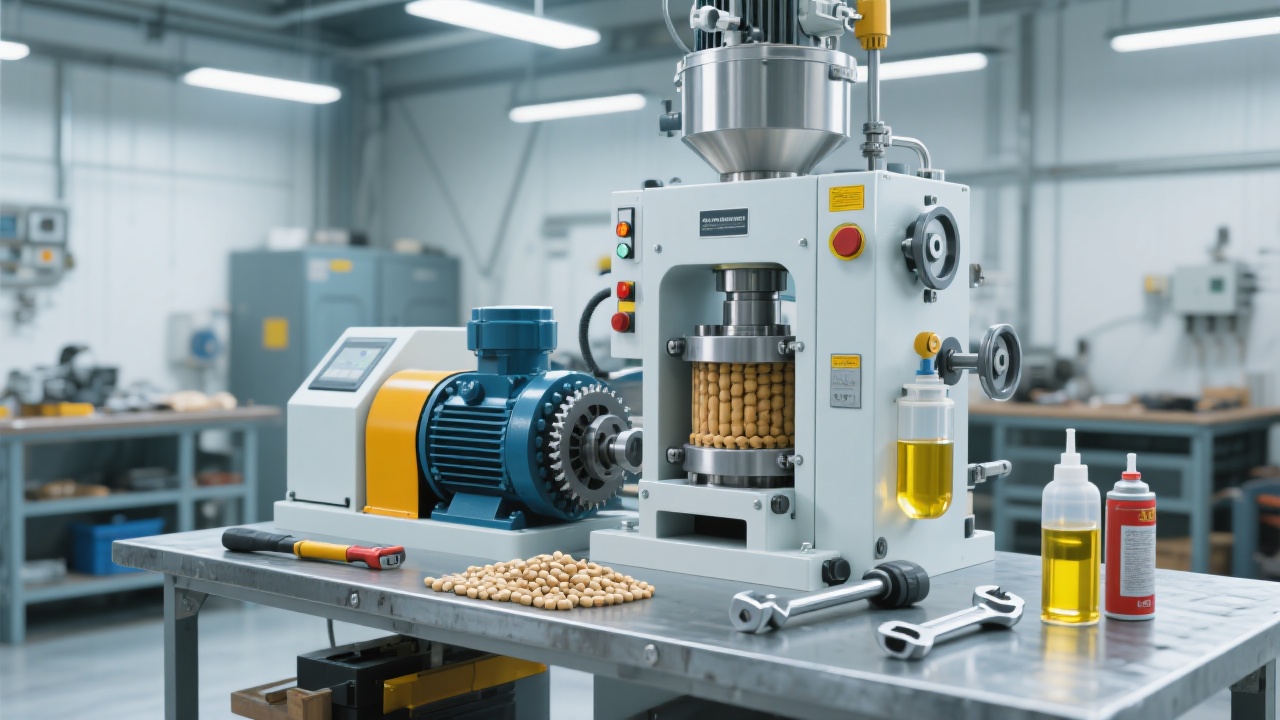
Close-up view of peanut kernels being loaded into a pre-treatment system with controlled temperature display.

Standard Operating Procedures That Work

We’ve compiled a practical checklist used by successful oil mill managers worldwide — available as a free downloadable PDF. It includes:

  1. Pre-cleaning verification (metal, foreign objects, moisture).
  2. Adjustment of steam pressure based on ambient humidity.
  3. Monitoring temperature at 5-minute intervals during roasting.
  4. Post-roast cooling to prevent overheating of the press feed hopper.

This SOP has been adopted by more than 50 facilities globally, resulting in an average 15% reduction in unplanned downtime and improved consistency in cake quality — which matters when selling to food-grade buyers.
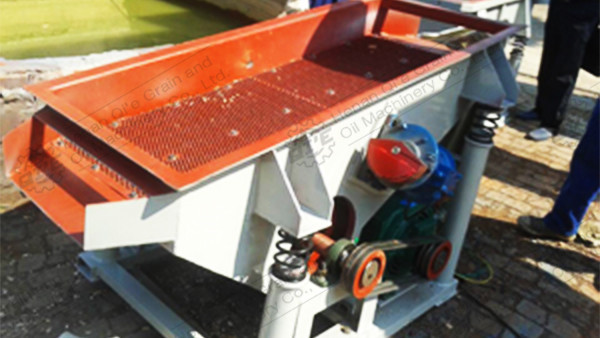
Operator monitoring temperature gauge during rapeseed pre-treatment process in a commercial oil mill.

If you’re serious about boosting your oil extraction rate while protecting your equipment investment, it’s time to treat pre-treatment not as a routine task but as a strategic lever. The ZY24 (202-3) spiral oil press performs best when fed with properly prepared seeds — and that starts long before the press even turns on.

Download the Free Pre-Treatment Checklist & Watch Key Steps in Action

Recommended Products
Hot Products
Contact us
Contact us
https://shmuker.oss-cn-hangzhou.aliyuncs.com/tmp/temporary/60ec5bd7f8d5a86c84ef79f2/60ec5bdcf8d5a86c84ef7a9a/thumb-prev.png