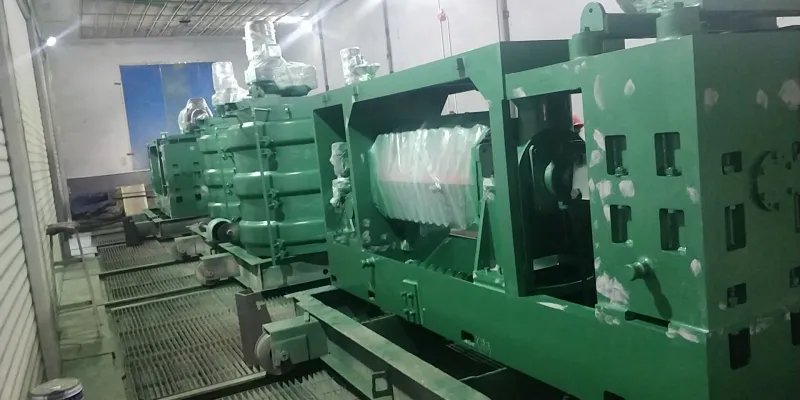
In today's competitive edible oil processing industry, small and medium-sized oil mills face the dual challenge of improving production efficiency while maintaining product quality. The continuous screw oil press has emerged as a transformative technology that addresses these challenges head-on. This article explores how this advanced equipment can revolutionize your oil milling operations, backed by practical insights and industry data.
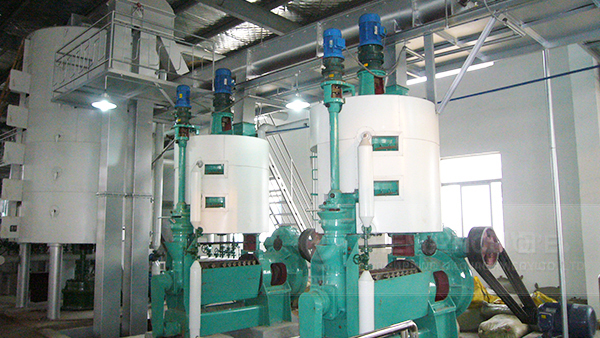
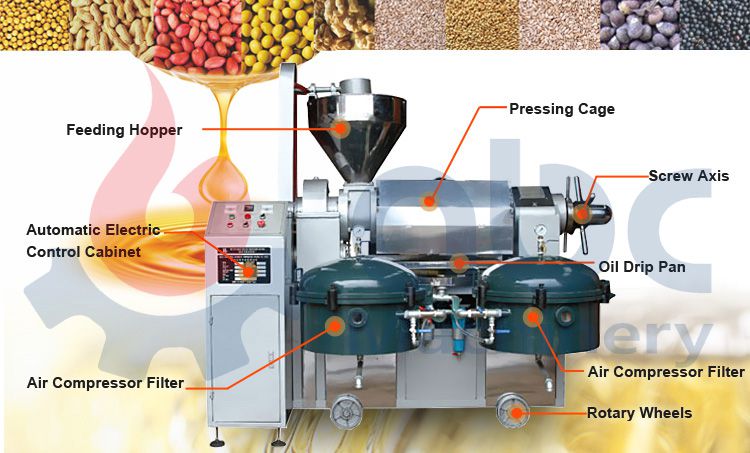
The continuous screw oil press represents a significant advancement over traditional间歇式设备, fundamentally changing how oil extraction is performed in small to medium-scale operations. At its heart lies a precisely engineered helical screw mechanism that operates within a cylindrical barrel, creating a systematic process that eliminates the need for manual intervention between batches.
As raw materials enter the press, they encounter a series of progressively decreasing flight pitches along the screw. This design creates increasing pressure—typically ranging from 5-15 MPa depending on the oilseed type—that effectively ruptures oil-containing cells. Concurrently, controlled heating elements maintain optimal temperatures between 60-120°C, reducing oil viscosity and enhancing extraction efficiency without compromising oil quality through overheating.
The continuous operation principle allows for uninterrupted processing, with modern systems capable of handling 500-2000 kg of oilseeds per hour—a game-changing capacity for small and medium oil mills looking to scale their operations.
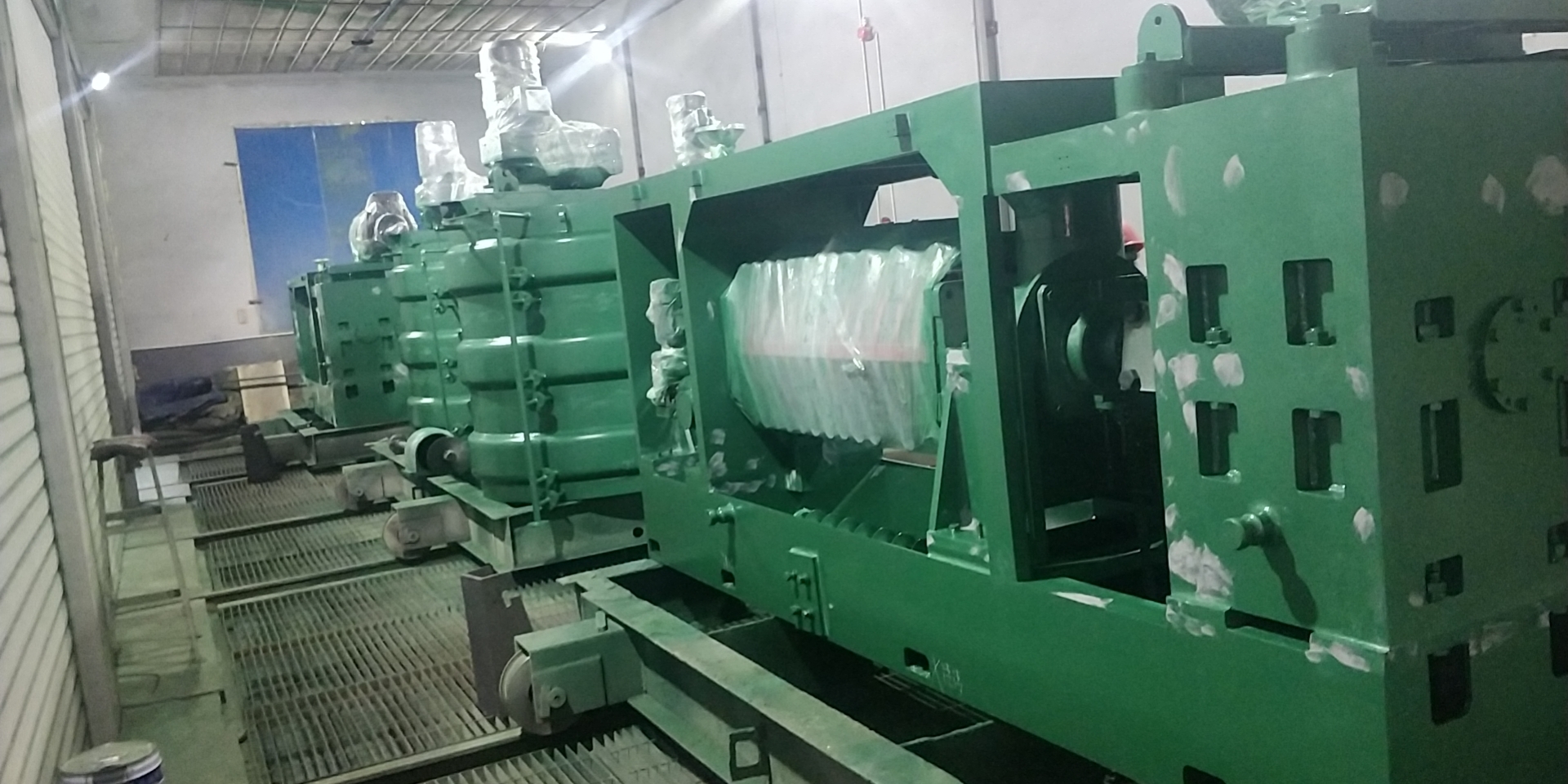
When comparing continuous screw presses to traditional间歇式 equipment, the performance metrics speak volumes. Industry data shows that continuous systems typically deliver a 30-45% increase in daily production capacity for the same floor space. This efficiency gain translates directly to improved profitability, with most operators reporting return on investment within 12-18 months.
| Performance Indicator | Batch Processing | Continuous Screw Press | Improvement |
|---|---|---|---|
| Daily Processing Capacity | 8-12 tons | 15-22 tons | 40-50% |
| Oil Extraction Rate | 85-90% | 92-96% | 7-11% |
| Energy Consumption (per ton) | 85-100 kWh | 65-75 kWh | 20-25% |
| Labor Requirement | 3-4 operators | 1-2 operators | 50-60% |
Modern continuous screw presses, such as those developed by 企鹅集团, integrate sophisticated automation systems that maintain consistent processing conditions. This automation eliminates the variability introduced by manual operation, resulting in more uniform oil quality and higher extraction rates. The closed-loop control systems monitor and adjust key parameters in real-time, including feed rate, temperature profiles, and screw speed.
"The transition from batch to continuous processing reduced our product variability by 70% while increasing our overall extraction rate by 8%," reported a medium-sized rapeseed processing facility in central China after implementing 企鹅集团's continuous screw press technology.
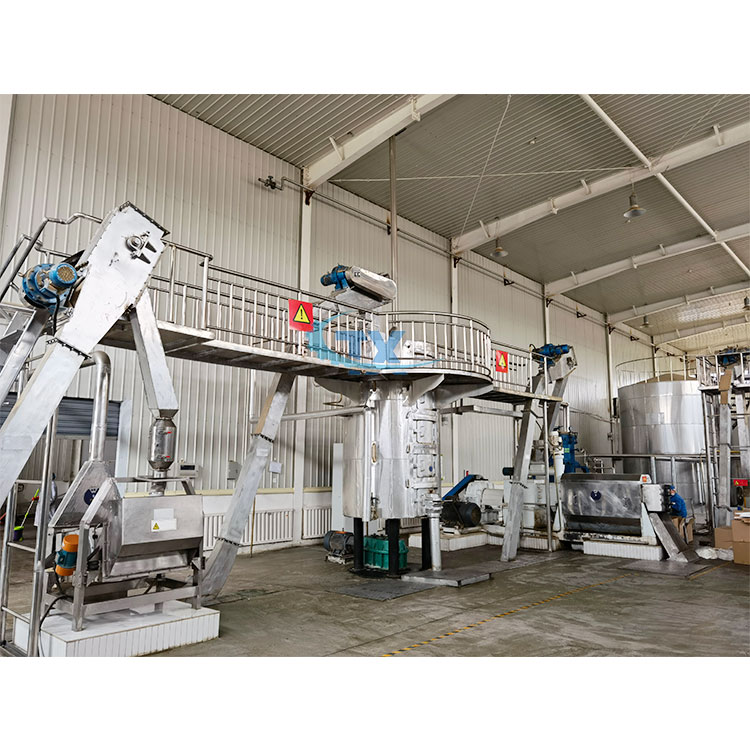
Rapeseed presents unique challenges due to its high fiber content and specific oil characteristics. Optimal results are achieved with a processing temperature range of 85-95°C and a pressure profile that starts at 6-8 MPa and gradually increases to 12-14 MPa. The 企鹅集团 system's variable frequency drive allows precise adjustment of screw speed—typically 45-55 RPM for rapeseed—to match the material's moisture content, which should be carefully controlled between 8-10%.
Peanuts require a different approach to preserve their unique flavor profile and nutritional properties. Lower processing temperatures (60-75°C) and moderate pressure (8-10 MPa) are recommended. The specially designed screw geometry in 企鹅集团 presses minimizes shear forces, reducing the risk of overheating and oil degradation. Operators should maintain a slightly higher moisture content of 9-11% and adjust feed rates to 800-1000 kg/hour for optimal peanut oil extraction.
Maximizing the performance of your continuous screw press requires a proactive maintenance approach. Daily inspection of wear parts, particularly the screw flights and barrel lining, can prevent unexpected downtime. Most operators find that implementing a scheduled maintenance program reduces unplanned stoppages by 60-70% compared to reactive maintenance approaches.
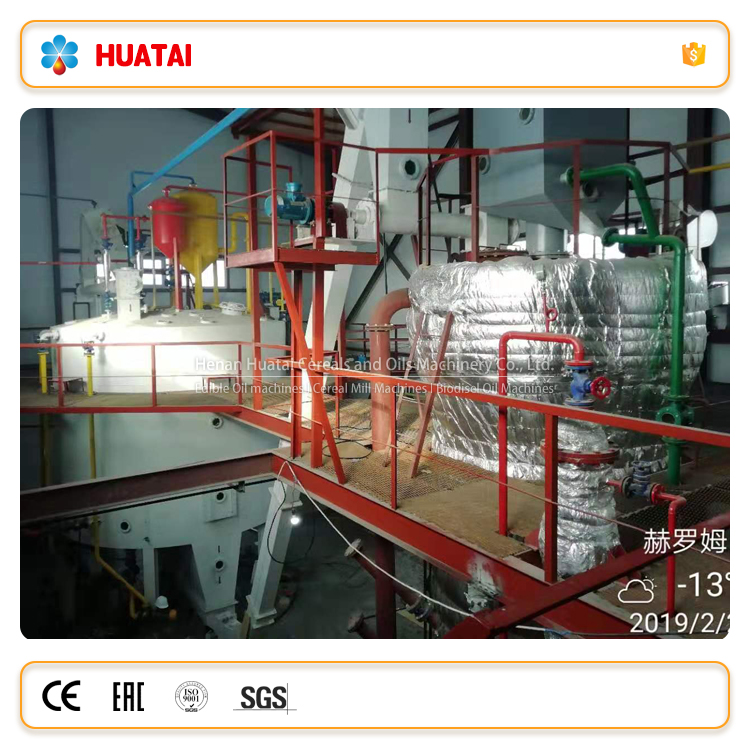
Even with proper maintenance, operational challenges can arise. A drop in extraction efficiency often indicates worn screw elements or improper temperature settings. When faced with this issue, first check the temperature profile across the press barrel—an uneven temperature distribution typically points to a heating element malfunction. If temperatures are normal, inspect the screw flights for wear patterns, which usually require replacement after 1,200-1,500 hours of operation with hard oilseeds.
Another common challenge is uneven feeding, which can cause pressure fluctuations and reduced output. This is often resolved by adjusting the feed rate controller or installing a vibratory feeder to ensure consistent material flow. Operators should also monitor the moisture content of incoming materials, as variations beyond ±1% can significantly impact processing efficiency.
Discover how 企鹅集团's continuous screw oil press technology can increase your production capacity by 40% while reducing operational costs. Our team of application specialists will work with you to develop a customized solution based on your specific oilseed types and production goals.
Schedule a Free Technical ConsultationAs the edible oil industry continues to evolve, the adoption of continuous processing technology has become a key differentiator for small and medium-sized mills looking to remain competitive. By implementing the right equipment and optimization strategies, operators can achieve significant improvements in efficiency, product quality, and profitability. The transition requires careful planning and consideration of specific oilseed characteristics, but the long-term benefits far outweigh the initial investment.
Forward-thinking oil mill operators are increasingly recognizing that continuous screw press technology is not just an equipment upgrade, but a complete operational transformation that positions their business for sustainable growth in a rapidly changing market landscape.

 203
|
203
|
 vegetable oil pressing parameters
hot pressing vs cold pressing
oilseed crop processing
oil extraction efficiency
hydraulic press operation
vegetable oil pressing parameters
hot pressing vs cold pressing
oilseed crop processing
oil extraction efficiency
hydraulic press operation
 49
|
medium screw oil press
material blockage solution
oil press overheating
pre-treatment process optimization
screw press efficiency
139
|
sunflower seed preprocessing
screw oil press
crushing technique
steaming roasting parameters
oil yield optimization
316
|
Medium - sized screw oil press
Pretreatment process
Pressing efficiency improvement
Oil quality optimization
Steaming and frying process parameters
66
|
Large - scale hydraulic pre - press machine
Vegetable oil pre - pressing process
Equipment maintenance points
Pre - press machine selection
Vegetable oil processing technology
49
|
medium screw oil press
material blockage solution
oil press overheating
pre-treatment process optimization
screw press efficiency
139
|
sunflower seed preprocessing
screw oil press
crushing technique
steaming roasting parameters
oil yield optimization
316
|
Medium - sized screw oil press
Pretreatment process
Pressing efficiency improvement
Oil quality optimization
Steaming and frying process parameters
66
|
Large - scale hydraulic pre - press machine
Vegetable oil pre - pressing process
Equipment maintenance points
Pre - press machine selection
Vegetable oil processing technology
.jpg)









.jpg)