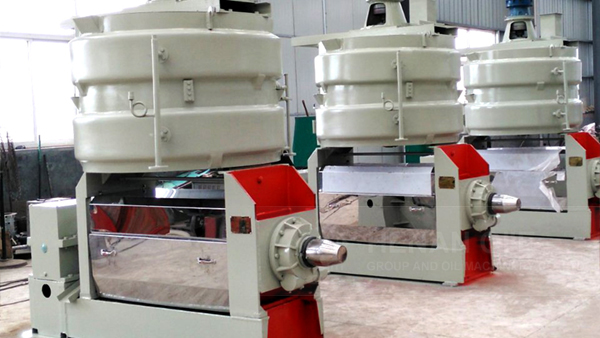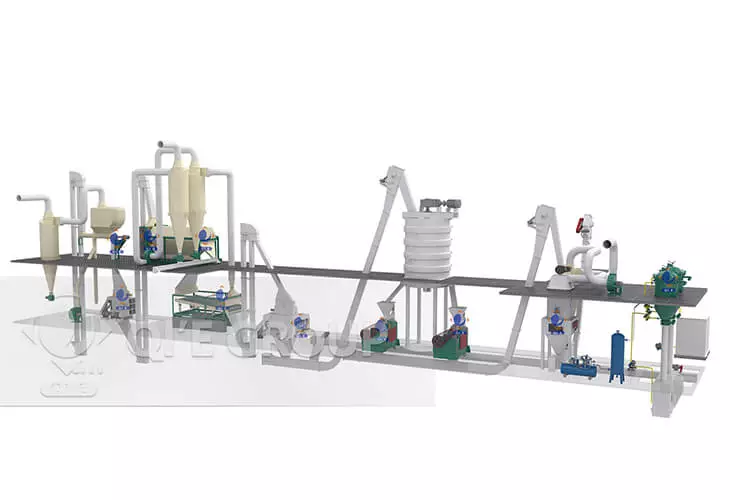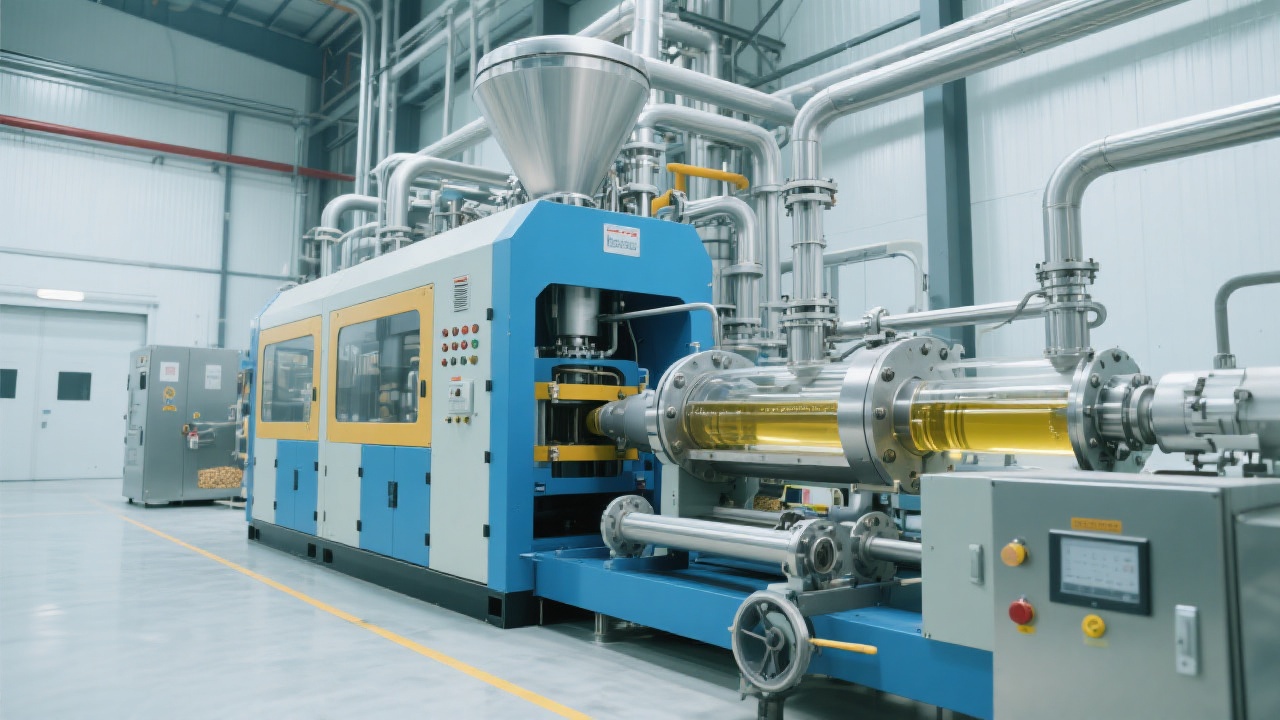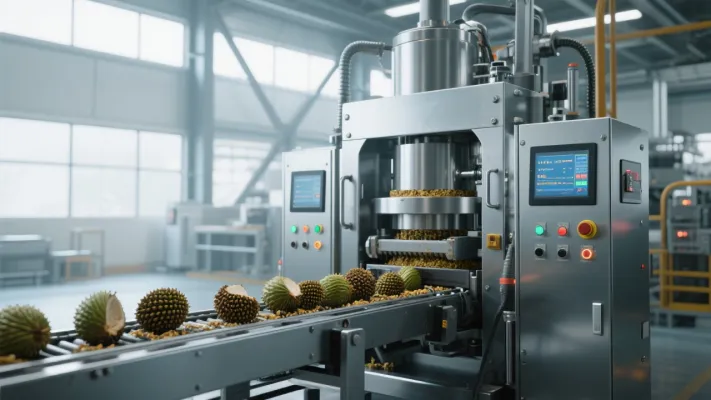
Mastering the key skills for maintaining the hydraulic system of large hydraulic presses is the core of ensuring the long - term stable operation of vegetable oil processing equipment. In this guide, we will explain in detail the daily inspection, oil management, seal replacement, and the causes and countermeasures of common faults (such as pressure fluctuations, abnormal noise, and excessive oil temperature) in the hydraulic system. This will help you shift from 'passive maintenance' to 'active prevention', significantly reducing the risk of unplanned downtime and improving production continuity and equipment lifespan.
Daily inspection is the first step in maintaining the hydraulic system of your large hydraulic press. You should check the appearance of the hydraulic system components regularly to ensure there are no visible leaks, cracks, or damage. In addition, it's essential to check the hydraulic oil level at least once a day. Keeping the oil level within the normal range is crucial for the proper operation of the system. On average, about 80% of hydraulic system failures can be related to oil pollution or improper oil level.
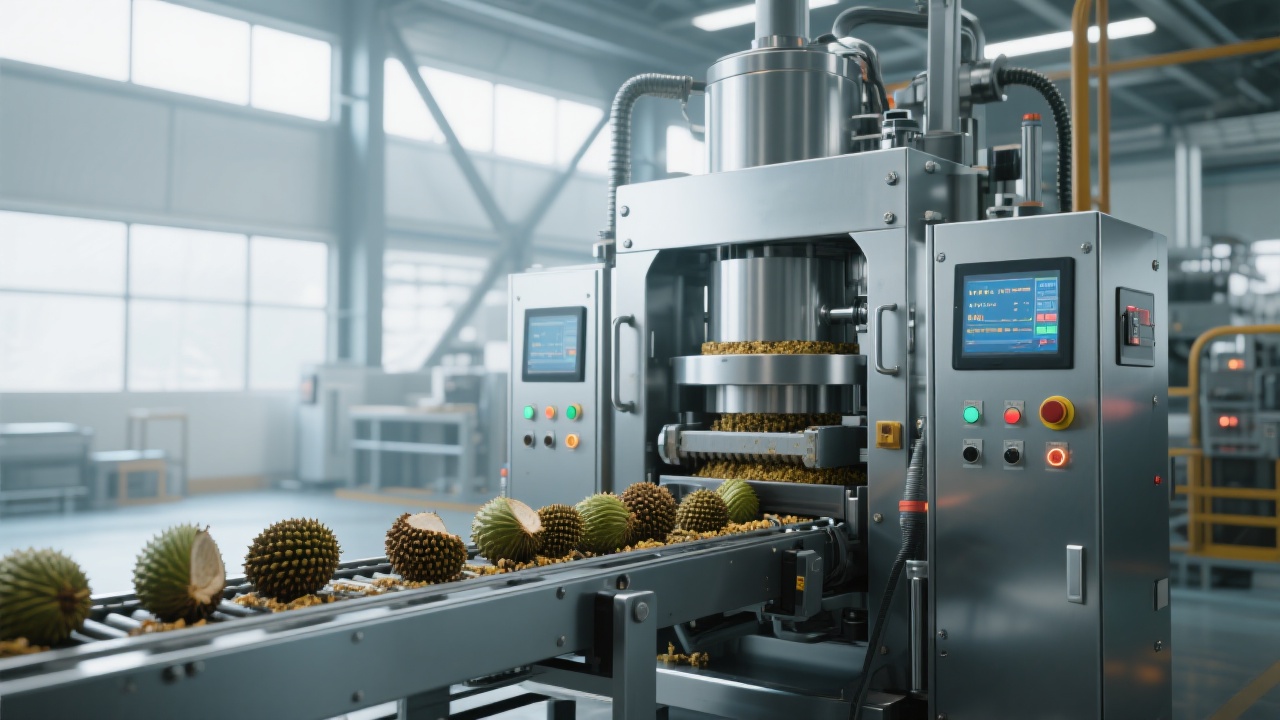
The lubrication process should be carried out regularly. For most large hydraulic presses, lubrication of key components every 2 - 3 months can ensure smooth operation and reduce wear and tear. The appropriate type and amount of lubricant should be selected according to the manufacturer's recommendations. This can effectively extend the service life of components and reduce maintenance frequency.
Seal replacement is a critical part of hydraulic system maintenance. The sealing performance of the system directly affects its efficiency and reliability. Generally, seals should be replaced every 1 - 2 years, depending on the operating environment and frequency of use. Over time, seals may harden, crack, or wear out, leading to oil leaks and performance degradation.
Key Tip: When replacing seals, be sure to use high - quality seals that meet the specifications of the hydraulic system to ensure a tight fit and reliable operation.
Let's analyze some typical fault phenomena through real - world industry cases. Pressure fluctuations may be caused by a damaged pressure relief valve, a clogged filter, or air in the hydraulic oil. When you notice pressure fluctuations, first check the pressure relief valve for proper operation. Replace or repair it if necessary. Then, clean or replace the filter if it is clogged. Evacuating the air in the system can also help resolve the issue.
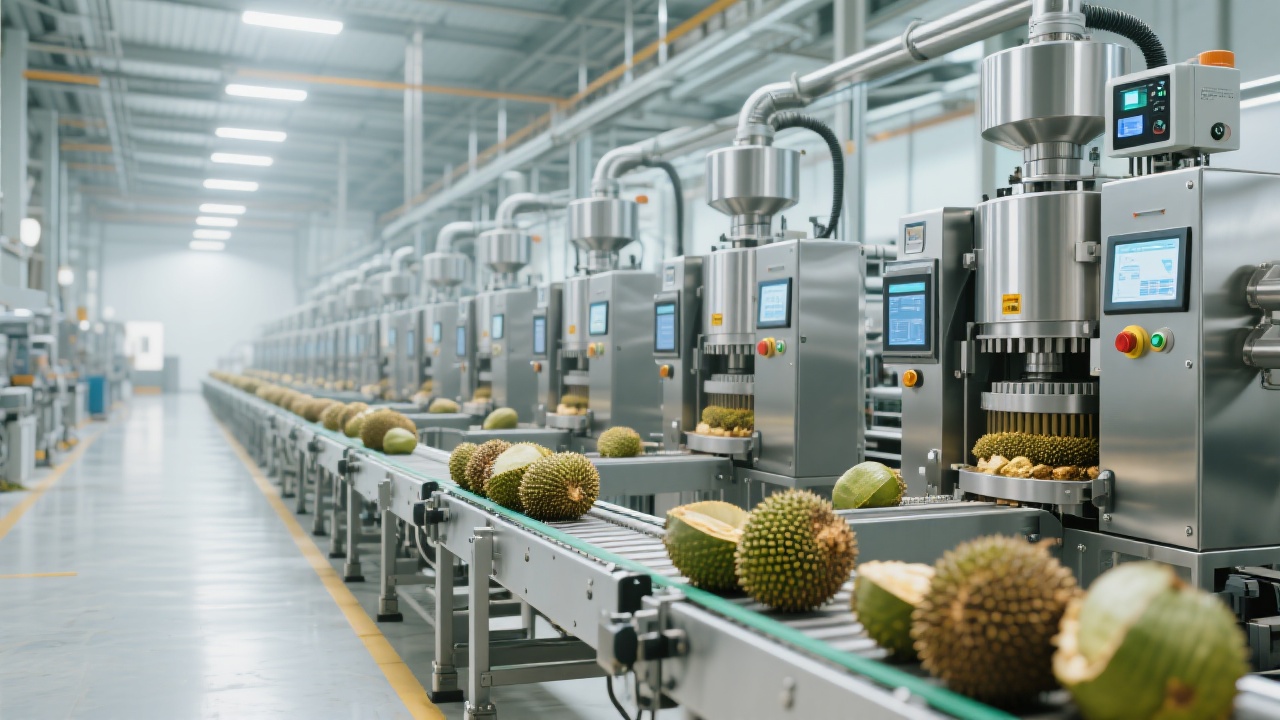
Abnormal noise in the hydraulic system may be due to cavitation, gear wear, or loose components. To address this, check the suction line for any blockages, replace worn gears, and tighten loose bolts. If the oil temperature is too high, it may be caused by overloading, insufficient cooling, or high - viscosity oil. You can reduce the load, improve the cooling system, or replace the oil with a lower - viscosity one.
Adopting a preventive maintenance strategy can save you a lot of time and money in the long run. By conducting regular inspections, lubrication, and component replacement, you can detect potential problems early and take proactive measures to prevent failures. This approach can reduce unplanned downtime by up to 50% and extend the service life of the hydraulic press by 30% - 40%.
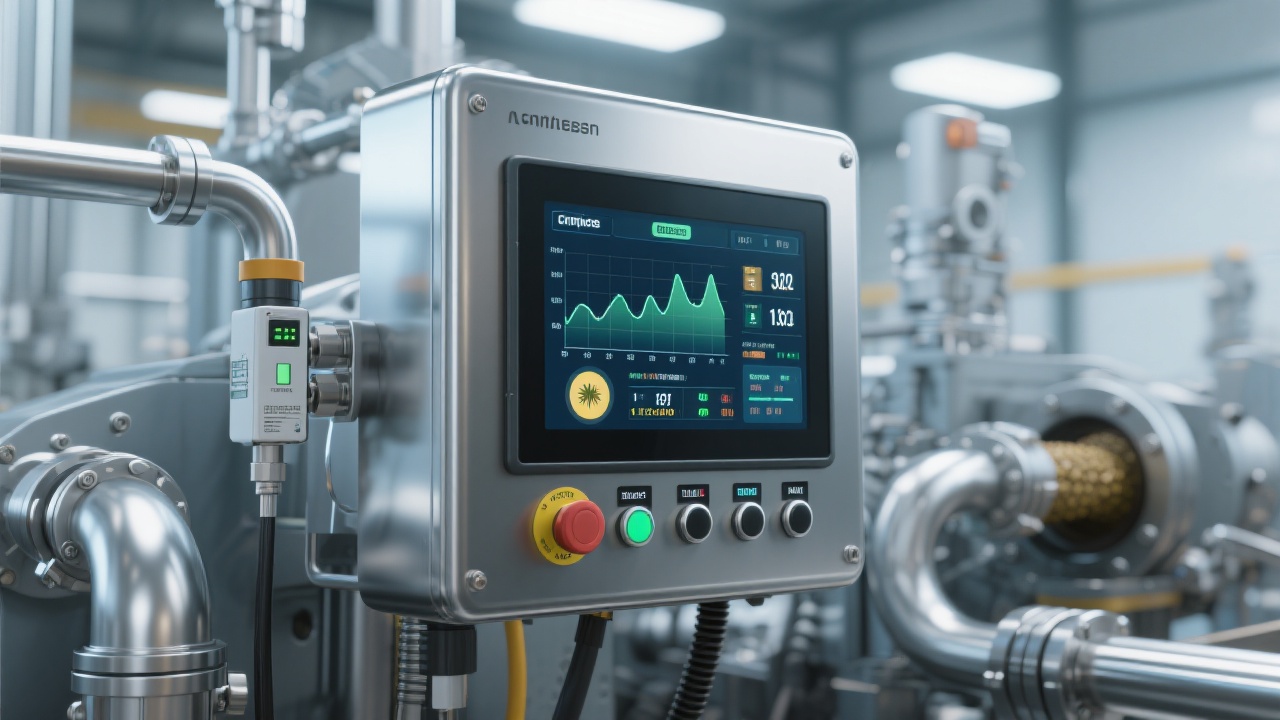
Here is a simple maintenance flowchart for your reference:
Daily Inspection -> Regular Lubrication -> Periodic Seal Replacement -> Fault Detection and Repair -> Preventive Maintenance Planning

 49
|
49
|
 secondary pressing
solvent extraction
small oil mill
screw press machine
oil extraction technology
secondary pressing
solvent extraction
small oil mill
screw press machine
oil extraction technology
 46
|
QIE oil pressing equipment
advanced oil pressing equipment
high-efficiency oil extraction equipment
ISO9001 certified oil machinery
environmentally friendly oil production equipment
reliable oil extraction solutions
oil pressing technology equipment
one-stop oil processing solutions
plant and animal oil pressing equipment
oil industry machinery
46
|
QIE oil pressing equipment
advanced oil pressing equipment
high-efficiency oil extraction equipment
ISO9001 certified oil machinery
environmentally friendly oil production equipment
reliable oil extraction solutions
oil pressing technology equipment
one-stop oil processing solutions
plant and animal oil pressing equipment
oil industry machinery
 371
|
large hydraulic prepress machine technology
plant oil processing efficiency
hydraulic prepress machine energy saving design
371
|
large hydraulic prepress machine technology
plant oil processing efficiency
hydraulic prepress machine energy saving design
 467
|
ZY24 screw press oil expeller
multi-oilseed processing
peanut oil production
solvent extraction oil press
small scale oil mill equipment
467
|
ZY24 screw press oil expeller
multi-oilseed processing
peanut oil production
solvent extraction oil press
small scale oil mill equipment
 101
|
screw oil press oil yield improvement
small oil mill process optimization
rapeseed peanut sunflower seed pressing
continuous screw oil press operation
oil press parameter adjustment techniques
101
|
screw oil press oil yield improvement
small oil mill process optimization
rapeseed peanut sunflower seed pressing
continuous screw oil press operation
oil press parameter adjustment techniques