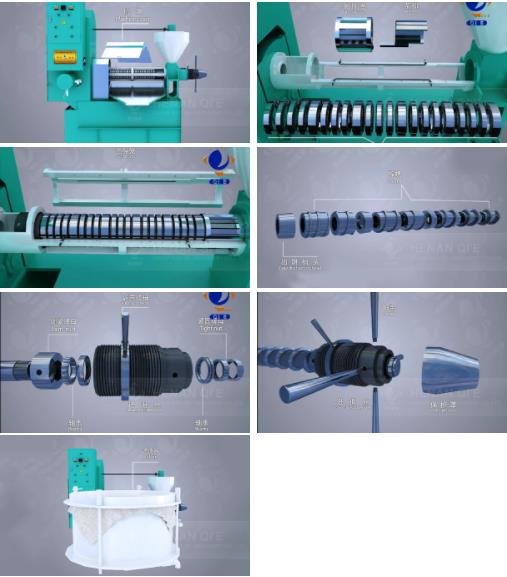
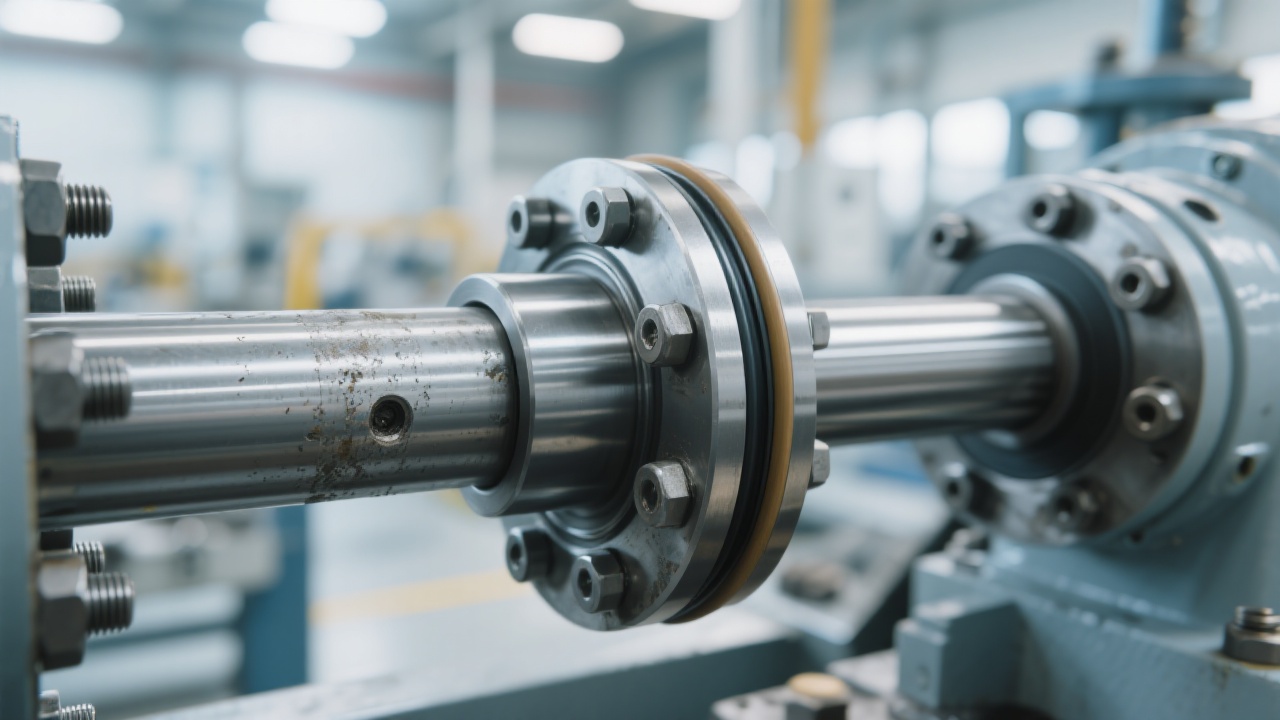
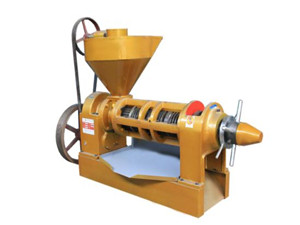
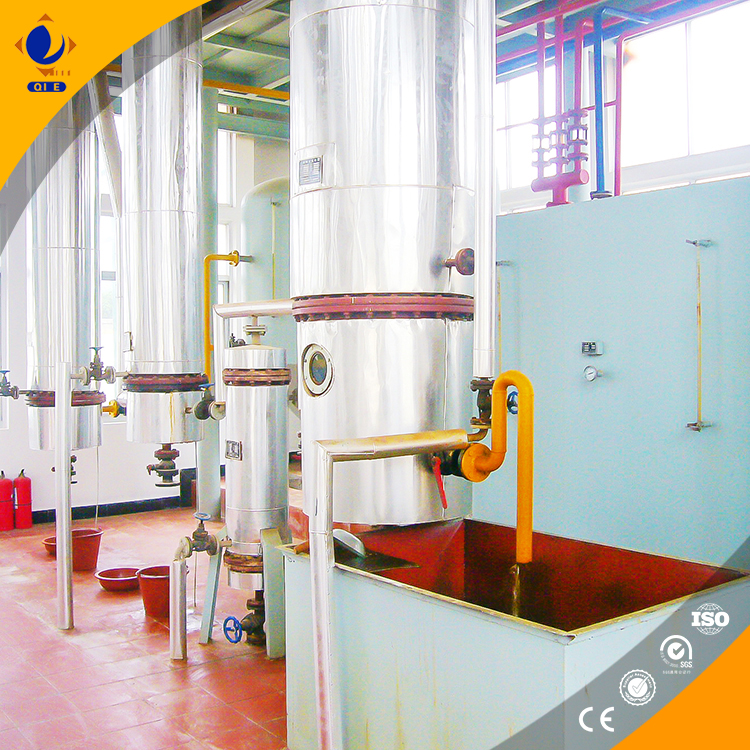
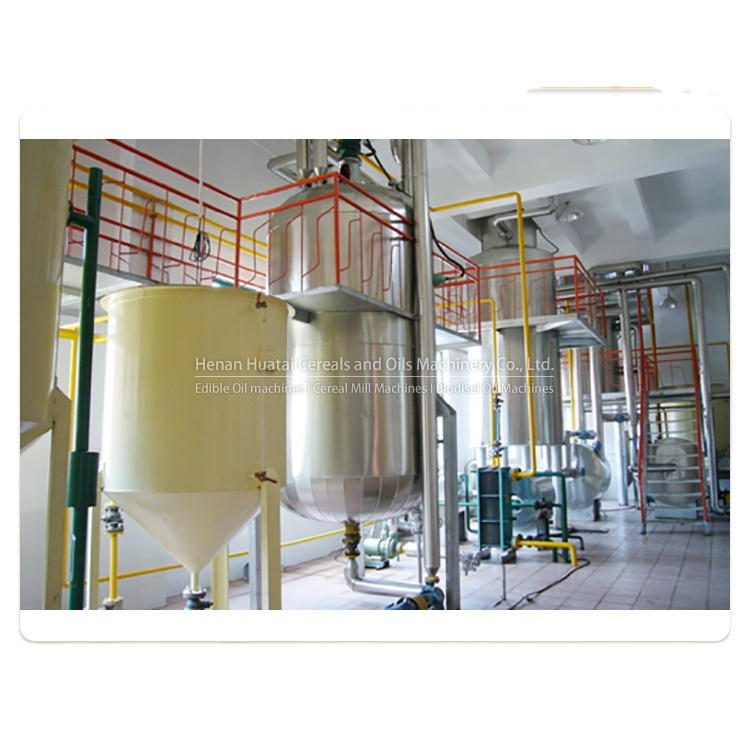
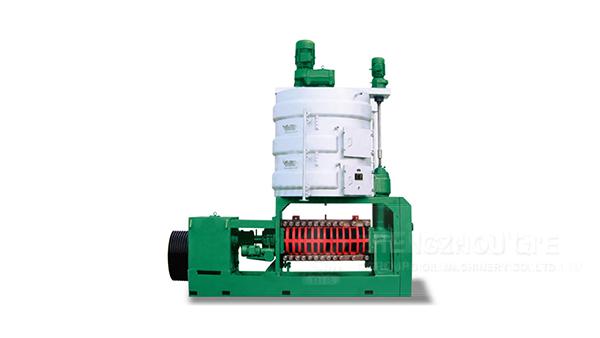
In the field of vegetable oil processing, achieving high - efficiency and stable production is a top priority for industrial users. This article focuses on different vegetable oil raw materials such as soybeans, rapeseeds, and cottonseeds, and provides in - depth analysis and professional solutions to help users make scientific decisions in equipment selection and operation optimization.
Different vegetable oil raw materials have unique physical properties. For example, soybeans typically have an oil content of around 18% - 22%, rapeseeds about 40% - 46%, and cottonseeds approximately 15% - 20%. Moisture content also varies, usually between 8% - 12% for soybeans, 6% - 10% for rapeseeds, and 9% - 13% for cottonseeds. The particle size of these raw materials can range from fine to relatively coarse, which affects the pressing process.
These physical properties directly influence the pressing parameters. Higher oil - content raw materials may require less pressure but longer pressing times. Moisture content affects the viscosity of the oil and the fluidity of the material during pressing. For instance, if the moisture content is too high, it can lead to lower oil extraction efficiency and potential blockages in the press.
The hot - pressing process involves heating the raw materials before pressing. This can improve oil extraction efficiency as the heat reduces the viscosity of the oil, making it easier to separate from the raw material. In some cases, the oil extraction rate can be increased by 3% - 5% compared to cold - pressing. However, hot - pressing may also lead to some loss of nutrients and flavor in the oil due to the high temperature.
Cold - pressing, on the other hand, is carried out at lower temperatures, usually below 60°C. This process preserves more nutrients and the natural flavor of the oil, but the oil extraction rate is relatively lower. Cold - pressing is more suitable for producing high - quality, premium oils, while hot - pressing is preferred for large - scale industrial production where high output is the primary goal.
"In a soybean oil production plant, by switching from cold - pressing to hot - pressing, the daily oil output increased from 50 tons to 55 tons, with a corresponding increase in profit margins."
Based on actual industrial data, optimizing pressing parameters such as pressure, temperature, and time can significantly improve oil yield and production stability. For example, in a rapeseed oil production line, by adjusting the pressing pressure from 20 MPa to 25 MPa and the temperature from 80°C to 90°C, the oil extraction rate increased from 42% to 45%, and the production line's stability improved, reducing downtime by 15%.
These improvements not only increase the economic benefits but also enhance the overall efficiency of the production process. By carefully analyzing the physical properties of the raw materials and choosing the appropriate pressing process and parameters, industrial users can achieve better results.
During the pressing process, several common problems may occur. One of the most frequent issues is material blockage. This can be caused by improper moisture content, large particle sizes, or incorrect pressing parameters. To solve this problem, users can adjust the moisture content of the raw materials, use a pre - crusher to reduce particle size, or optimize the pressing pressure and speed.
Another problem is uneven pressing, which can lead to inconsistent oil quality and lower overall oil extraction. This can be addressed by ensuring uniform feeding of the raw materials, adjusting the pressing plate to ensure even pressure distribution, and regularly maintaining the pressing equipment.
To enhance the understanding of the technical content, this article uses various visual aids such as charts, comparison tables, and flowcharts. For example, a chart can show the relationship between the oil content of different raw materials and the optimal pressing pressure, and a flowchart can illustrate the step - by - step process of the hot - pressing and cold - pressing operations.
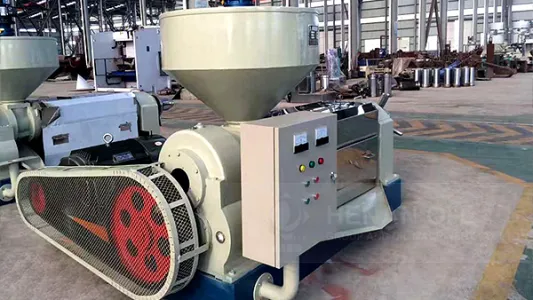
In conclusion, for industrial users in the vegetable oil processing industry, making scientific decisions in equipment selection and operation optimization is crucial for achieving efficient and stable production. Our company offers high - quality large - scale hydraulic pre - presses. These presses are designed with advanced technology, allowing for precise control of pressing parameters such as pressure, temperature, and time. They are suitable for a variety of vegetable oil raw materials and can significantly improve oil extraction efficiency and production stability. If you are interested in our products, please visit CTA - URL for more information and consultation.
 94
|
94
|
 Hydraulic Press for Plant Seeds
Hydraulic Press for Nuts
High Yield Hydraulic Press
Automatic Hydraulic Press Machine
Hydraulic Press in Oil Processing
Hydraulic Oil Press for Small Enterprises
Cost-Effective Hydraulic Press
Durable Hydraulic Press Equipment
Hydraulic Press for Plant Seeds
Hydraulic Press for Nuts
High Yield Hydraulic Press
Automatic Hydraulic Press Machine
Hydraulic Press in Oil Processing
Hydraulic Oil Press for Small Enterprises
Cost-Effective Hydraulic Press
Durable Hydraulic Press Equipment
 317
|
plant oil expeller temperature control
oil quality optimization
spiral oil press temperature management
temperature regulation in oil extraction
oil processing efficiency
317
|
plant oil expeller temperature control
oil quality optimization
spiral oil press temperature management
temperature regulation in oil extraction
oil processing efficiency
 385
|
oilseed pretreatment production line benefits
customized oilseed processing machinery
comprehensive service for oil extraction equipment
385
|
oilseed pretreatment production line benefits
customized oilseed processing machinery
comprehensive service for oil extraction equipment
 242
|
6YL-185 Spiral Hydraulic Press
Hydraulic Press for Vegetable Oils
Screw Oil Press 6YL-185
Efficient Oil Extraction Machine
High Yield Oil Processing Equipment
Versatile Oilseed Press
Durable Hydraulic Oil Press
Commercial Oil Processing Solutions
Easy Operation Screw Hydraulic Press
6YL-185 Oil Press Specifications
242
|
6YL-185 Spiral Hydraulic Press
Hydraulic Press for Vegetable Oils
Screw Oil Press 6YL-185
Efficient Oil Extraction Machine
High Yield Oil Processing Equipment
Versatile Oilseed Press
Durable Hydraulic Oil Press
Commercial Oil Processing Solutions
Easy Operation Screw Hydraulic Press
6YL-185 Oil Press Specifications
 192
|
medium screw press temperature control
high moisture oilseed pressing
oil yield optimization
flavor stability in vegetable oil
thermal management in oil extraction
192
|
medium screw press temperature control
high moisture oilseed pressing
oil yield optimization
flavor stability in vegetable oil
thermal management in oil extraction