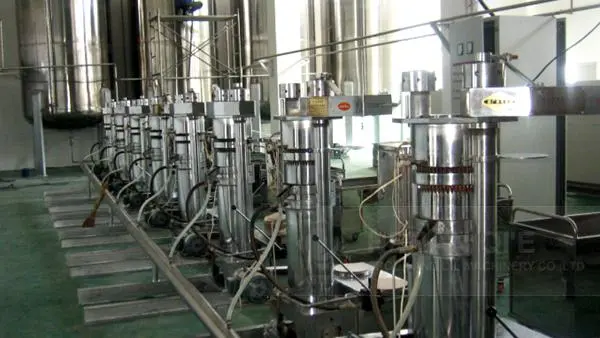
Selecting grain and oil processing equipment requires more than comparing individual machine specifications. The right configuration depends on the oilseed or nut being processed, required throughput, target oil quality, process route, utilities, automation expectations and downstream refining needs. Qi'e Grain and Oil Machinery Co., Ltd. supports B2B projects with oil pressing equipment, oil production line equipment and edible oil refining equipment designed around practical processing requirements.
Equipment selection should begin with the characteristics of the raw material rather than the machine alone. Different oilseeds and nuts have different physical properties, oil content, moisture conditions and preparation requirements. These factors influence whether pressing, pre-pressing followed by extraction, refining, or an integrated production line is the appropriate route.
Identify the oil-bearing material, such as peanut, soybean, castor seed, sunflower seed or other seeds and nuts. The feed material determines the suitable preparation and pressing approach.
Define whether the priority is preserving natural flavor and nutritional attributes, supporting later processing, or achieving a specified refined-oil quality objective.
Consider production continuity, operator availability, plant layout, cleaning access, maintenance planning and the extent to which the equipment must integrate with existing operations.
Cold pressing and hot pressing serve different production purposes. A clear decision on the pressing method helps establish the appropriate preparation process, temperature control requirements and downstream oil treatment.
| Selection consideration | Cold pressing route | Hot pressing route |
|---|---|---|
| Primary focus | Supports retention of natural nutritional value and flavor characteristics. | Uses controlled heat as part of the pressing process. |
| Process requirement | Requires attention to raw-material condition and controlled processing parameters. | Requires reliable temperature control for consistent process operation. |
| Equipment implication | Select a press capable of stable cold-press operation for the intended material. | Select equipment with a suitable heating and pressing configuration. |
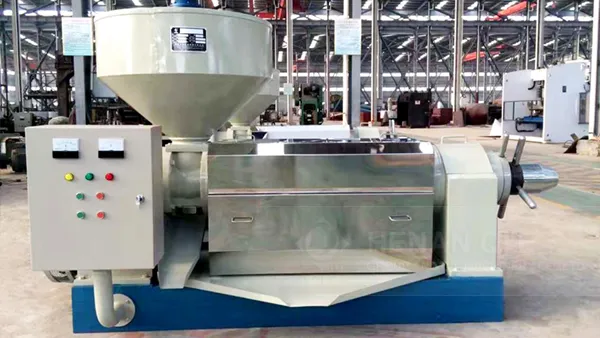
For projects that need flexibility across materials or product positioning, a machine capable of both operating modes can simplify equipment planning while allowing the process route to be adjusted to production needs.
The multifunction screw hot and cold oil press from Qi'e Grain and Oil Machinery Co., Ltd. is designed for extracting oil from a range of seeds and nuts. Its screw conveying system supports efficient pressing with low energy consumption, while its hot-press and cold-press functions allow users to select a process according to material characteristics and product requirements.
Capacity should be evaluated as a complete process consideration, not only as the output of one oil press. Raw-material preparation, feeding, pressing, oil clarification, cake handling and refining stages should operate at compatible capacities to avoid bottlenecks. A project should also define the appropriate degree of automation based on production scale, process control needs and available operating personnel.
A standalone oil press may be suitable for projects focused on a defined pressing step. A complete oil production line is more appropriate when the project requires coordinated processing from material handling through oil extraction and subsequent treatment. The required scope should be determined by the intended end product and operational workflow.
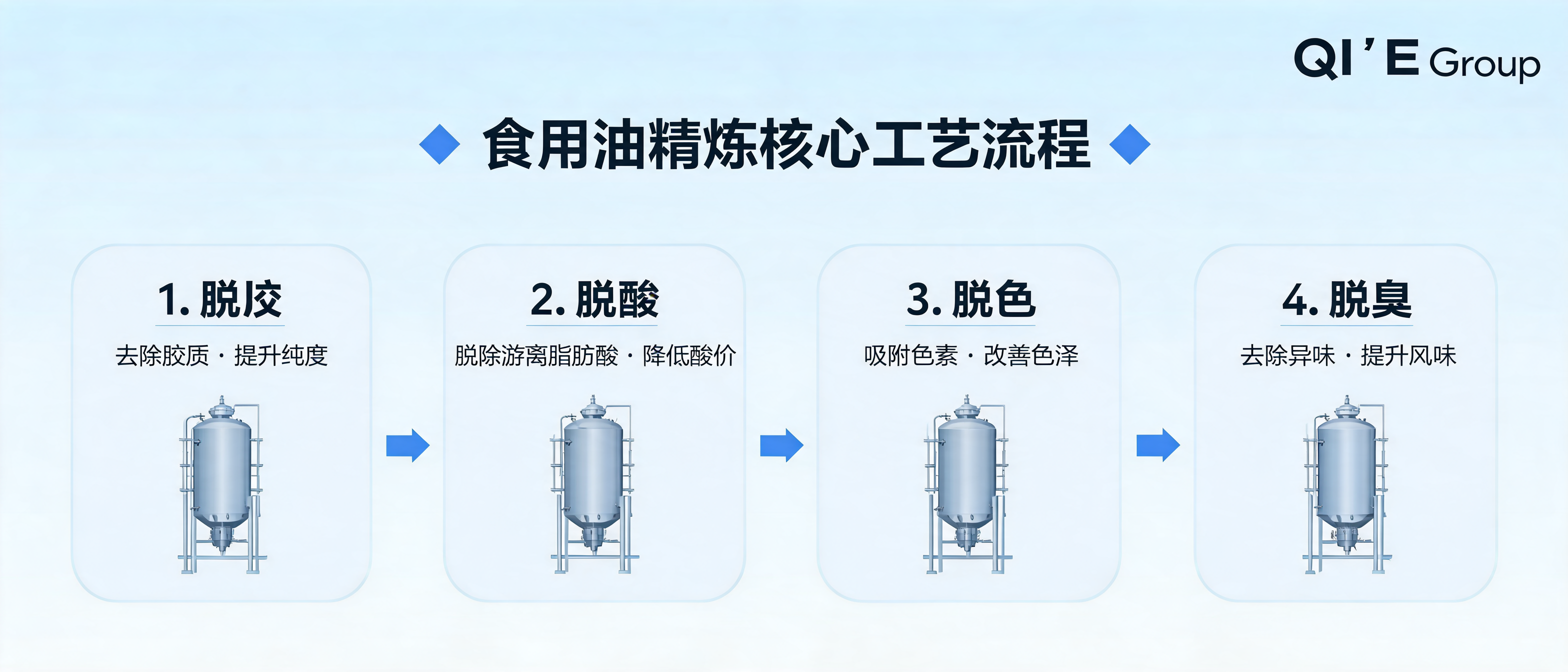
Edible oil refining equipment should be selected according to the characteristics of the crude oil and the required finished-oil standard. Refining is a downstream process decision: it should be planned together with the pressing or extraction route rather than added as an isolated equipment purchase.
Review the nature of the oil produced by the selected raw material and pressing process.
Clarify the intended quality, appearance, flavor and application requirements for the final oil.
Coordinate refining capacity and operating conditions with the upstream oil production line.
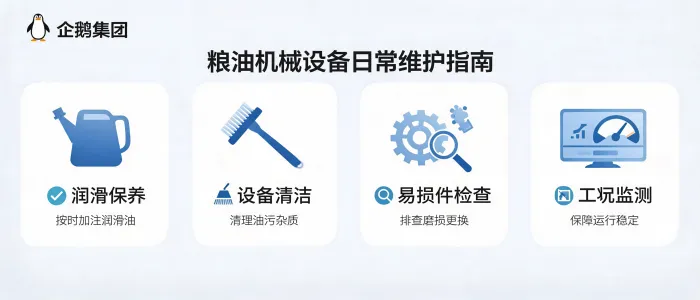
For B2B grain and oil processing projects, equipment value also depends on installation planning, operator familiarity, access to technical support and the ability to maintain the machine over time. Equipment should be selected with attention to safe operation, ease of cleaning, routine maintenance and the practical conditions of the production site.
A sound equipment decision connects raw material, process route, capacity, oil quality target and service planning. By evaluating these elements together, processors can define an oil pressing, production and refining configuration that fits their actual operating needs.
Qi'e Grain and Oil Machinery Co., Ltd. provides oil pressing equipment, oil production line equipment and edible oil refining equipment for grain and oil processing projects. With a focus on technology, quality and service, the company can work with customers to assess process requirements and identify an appropriate equipment configuration for their application.

 273
|
 Qi'e Grain and Oil Machinery Co., Ltd. grain and oil processing equipment oil pressing production line edible oil refining equipment oil extraction equipment
 480
|
Qi'e Grain and Oil Machinery Co., Ltd. edible oil processing equipment oil pressing production line edible oil refining equipment multifunctional hot and cold oil press
 489
|
Qi'e Group grain and oil machinery maintenance daily maintenance wear parts inspection equipment stability
114
|
Qi'e Grain and Oil Machinery Co., Ltd. edible oil production line equipment vegetable oil processing equipment hydraulic oil press edible oil refining equipment
 90
|
Qi'e Grain and Oil Machinery Co., Ltd. edible oil processing equipment oil pressing production line edible oil refining equipment integrated oil processing solutions