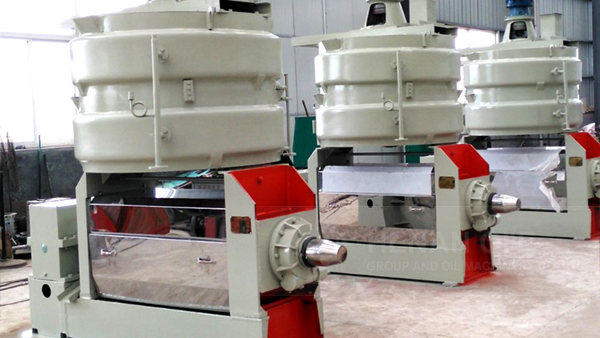
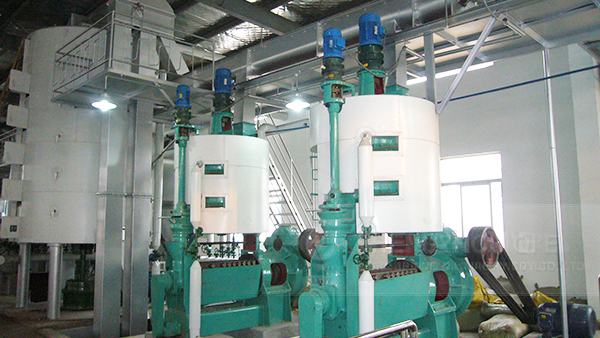
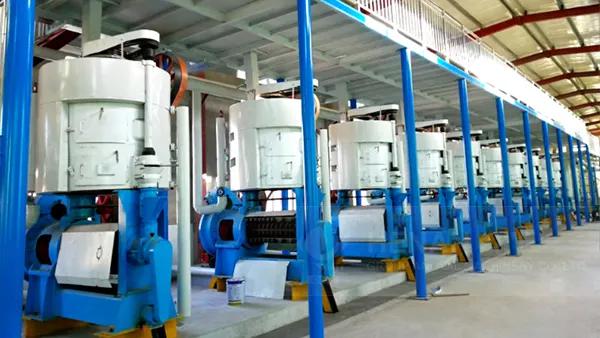
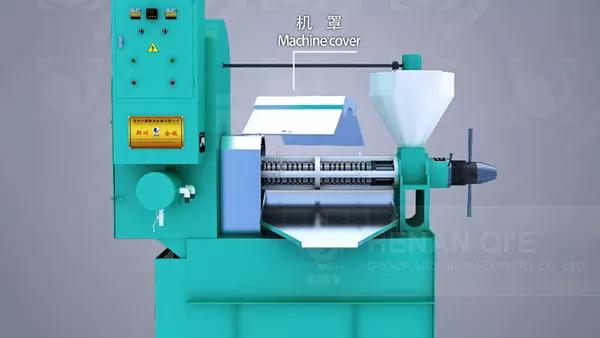
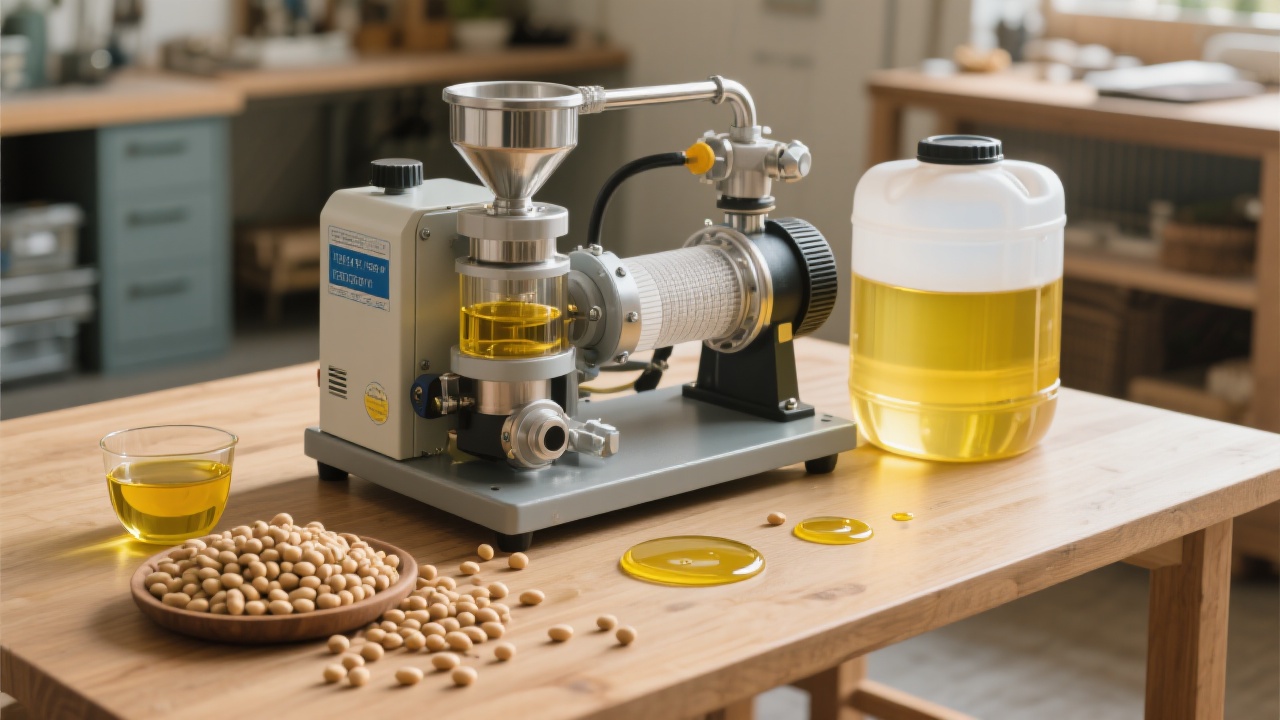
In the realm of vegetable oil processing, the selection and proper maintenance of large hydraulic presses are pivotal for ensuring continuous and efficient project operations. Understanding the key points of daily maintenance and fault prevention techniques for these machines can significantly enhance production stability and extend equipment lifespan.
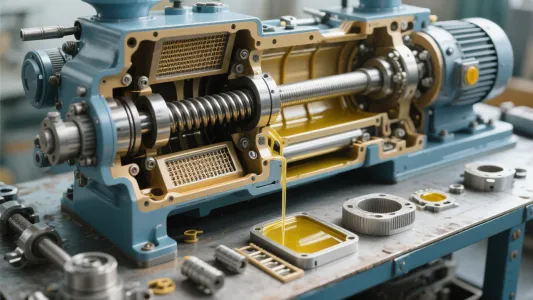
Let's delve into the maintenance of the four core components of large hydraulic presses: the hydraulic system, the pressing chamber, the filtering device, and the transmission mechanism.
Based on industry experience, typical fault phenomena such as unstable pressure, increased noise, and abnormal oil temperature often occur. Let's analyze their root causes and provide corresponding solutions:
Unstable Pressure: This may be caused by a damaged hydraulic pump, a leaking valve, or air in the system. To diagnose, start by checking the hydraulic pump for any signs of damage, then examine the valves for leaks. A simple way to detect air in the system is to observe if there are bubbles in the oil reservoir. The solution usually involves repairing or replacing the damaged parts and removing the air from the system.
Increased Noise: Noise can be a sign of worn - out bearings, loose parts, or improper lubrication. Conduct a thorough inspection of the transmission mechanism to identify the source of the noise. Tighten any loose parts and replace the worn - out bearings. Regular lubrication can also significantly reduce noise levels.
Abnormal Oil Temperature: An overheated hydraulic system can be caused by excessive workload, dirty oil, or a malfunctioning cooling system. Check the oil level and quality, and ensure that the cooling system is working properly. For example, if the cooling fan is not working, it should be repaired or replaced immediately.
In the B2B industrial scenario, the concept of preventive maintenance has great value. Shifting from a reactive maintenance mode to a proactive one can significantly reduce the risk of unplanned downtime. According to statistics, companies that implement preventive maintenance strategies can reduce equipment downtime by up to 45% and increase equipment lifespan by up to 30%.
This article provides both professional in - depth knowledge and practical guidance, which is suitable for technical supervisors, workshop leaders, and equipment managers. By implementing the maintenance and fault - prevention techniques described here, operators can transform from 'passive repair' to 'active management' of large hydraulic presses.
Choose high - quality hydraulic presses and make maintenance easier and production more continuous! Learn More

 397
|
397
|
 customized vegetable oil production line
oilseed pre-treatment technology
high ROI oil processing solutions
customized vegetable oil production line
oilseed pre-treatment technology
high ROI oil processing solutions
 326
|
medium-sized screw oil press
plant oil extraction
efficient oil extraction equipment
326
|
medium-sized screw oil press
plant oil extraction
efficient oil extraction equipment
 268
|
20 Ton Palm Oil Processing Machine
Automated Palm Oil Processing Equipment
High Efficiency Palm Oil Machine
304 Stainless Steel Palm Oil Processing
ISO9001 Certified Palm Oil Equipment
Multi-Function Palm Oil Processing Machine
Industrial Palm Oil Extraction Equipment
Energy Efficient Palm Oil Processing
Palm Oil Refining Machine
268
|
20 Ton Palm Oil Processing Machine
Automated Palm Oil Processing Equipment
High Efficiency Palm Oil Machine
304 Stainless Steel Palm Oil Processing
ISO9001 Certified Palm Oil Equipment
Multi-Function Palm Oil Processing Machine
Industrial Palm Oil Extraction Equipment
Energy Efficient Palm Oil Processing
Palm Oil Refining Machine
 460
|
Medium Screw Oil Press
Efficient Medium Screw Oil Press
High Yield Medium Screw Oil Press
Durable Medium Screw Oil Press
Compact Medium Screw Oil Press
Oil Seed Processing Medium Screw Oil Press
Automatic Control Medium Screw Oil Press
Versatile Medium Screw Oil Press
Quality Medium Screw Oil Press
Medium-Sized Oil Press Solutions
460
|
Medium Screw Oil Press
Efficient Medium Screw Oil Press
High Yield Medium Screw Oil Press
Durable Medium Screw Oil Press
Compact Medium Screw Oil Press
Oil Seed Processing Medium Screw Oil Press
Automatic Control Medium Screw Oil Press
Versatile Medium Screw Oil Press
Quality Medium Screw Oil Press
Medium-Sized Oil Press Solutions
 69
|
automatic hydraulic oil press
oil extraction efficiency
energy-saving oil press
industrial oil pressing equipment
eco-friendly oil machine
69
|
automatic hydraulic oil press
oil extraction efficiency
energy-saving oil press
industrial oil pressing equipment
eco-friendly oil machine
.jpg)