Stable continuous oil pressing depends on a coordinated process—not pressure alone. Consistent oilseed preparation, controlled feeding, suitable operating temperature and effective oil-solids separation help keep the press working within its intended operating range.
QIE Group, Qi'e Grain and Oil Machinery Co., Ltd., supplies oil pressing equipment alongside process design, installation support, technical services and after-sales support. For engineering and procurement teams, understanding how these process stages interact is essential when specifying an automatic oil pressing line or upgrading an existing installation.
Configuration matters: Automatic operation does not mean that every press includes the same sensors, control functions or filtration equipment. Confirm the supplied scope for each proposal. Performance also depends on oilseed type, moisture, preparation and equipment load.
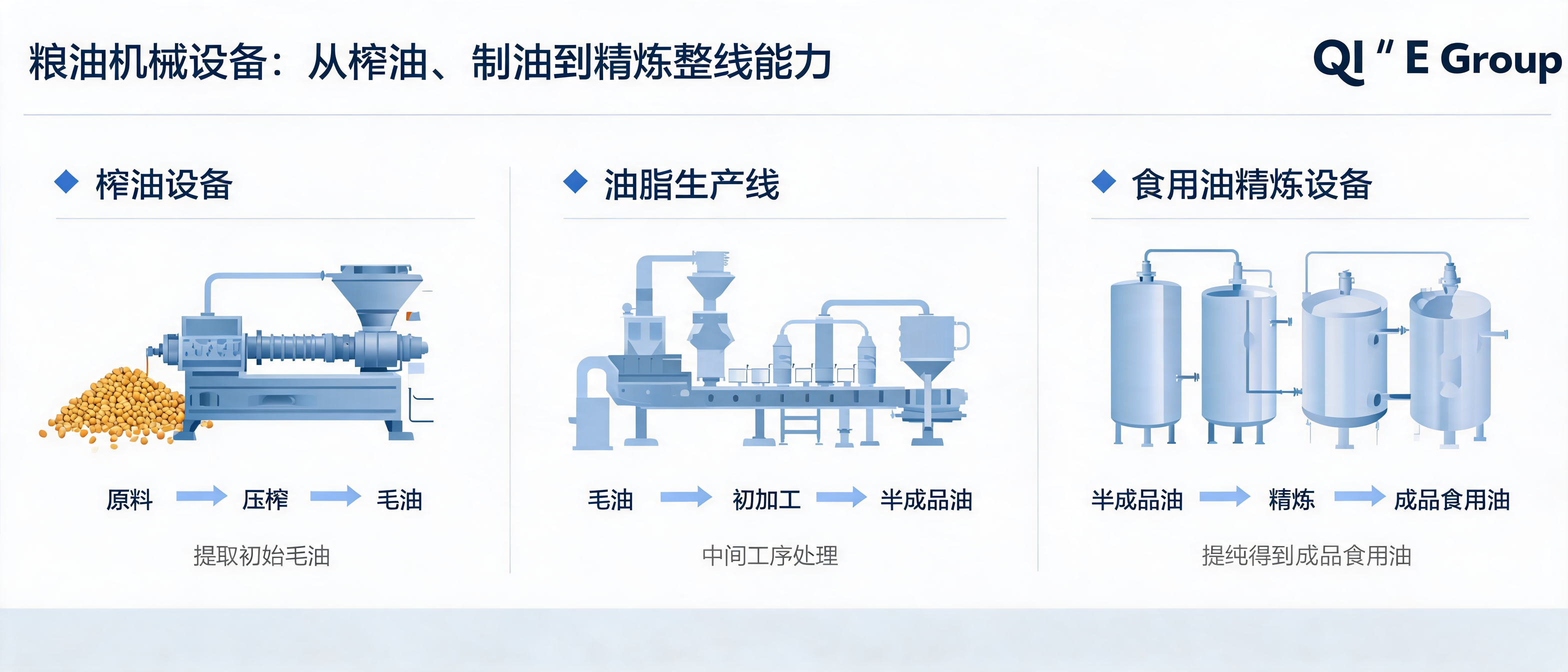
In a screw-type oil press, a rotating screw conveys prepared oilseed through a pressing chamber. The interaction between the screw, chamber geometry and resistance at the cake outlet compresses the material. Released oil passes through the chamber’s oil-drainage openings, while the compressed solids leave as press cake.
Pressing pressure is therefore a result of both machine design and material behavior. Feed consistency, moisture, preparation, temperature and outlet resistance can all affect the pressing condition. A change in one factor may alter motor load, cake discharge or the amount of solids carried into the crude oil.
Higher pressure is not automatically better. The operating objective is a suitable balance between oil release, stable material movement and acceptable equipment load—not the highest possible pressure. Adjustments should follow the selected machine’s operating instructions.
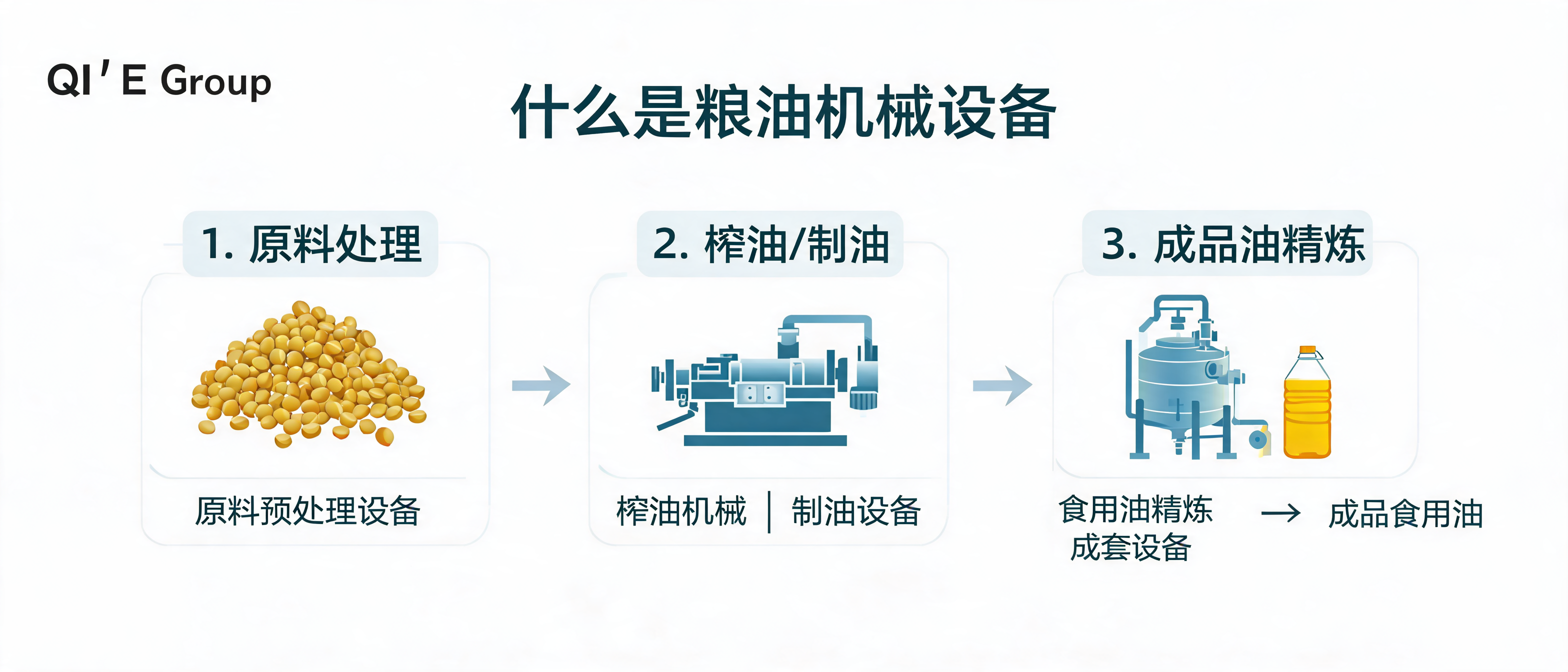
QIE Group’s oilseed processing scope includes storage, screening, destoning, crushing, softening, pressing and filtration. The required sequence depends on the raw material and process design. Cleaning helps remove foreign matter, while appropriate size reduction and conditioning prepare the material for more consistent feeding and compression. Not every oilseed requires the same pretreatment route.
Uneven feeding can interrupt material movement and cause fluctuating press load. Feed delivery should match the press’s operating capacity and the behavior of the prepared oilseed. Where adjustable feeding or load-responsive regulation is proposed, confirm how it operates, which signals it uses and whether it is included in the equipment package.
Temperature influences material behavior and oil flow during pressing. Heat may come from upstream conditioning, mechanical friction or heating equipment, depending on the configuration. The appropriate operating range must be established for the oilseed, processing method and product requirements. Confirm temperature measurement locations, heating provisions and whether regulation is manual or automatic; do not assume that monitoring alone provides closed-loop control.
Continuous pressing requires a clear path for both crude oil and press cake. Oil collection and filtration capacity should be matched to the expected flow and solids content, while cake handling must avoid discharge restrictions. Filter cleaning, solids removal and maintenance access should be considered during line design, rather than added after installation.
An equipment description should distinguish the mechanical pressing function from monitoring, automatic regulation and protective functions. Use the following points to clarify a proposed supply scope.
| Process area | Configuration checks | Why it matters |
|---|---|---|
| Feeding | Feeder type, adjustment method and any link to press load. | Helps assess how material delivery will be kept consistent. |
| Temperature | Sensor locations, heating equipment, setpoints and control method, if supplied. | Separates temperature indication from active regulation. |
| Load and protection | Available load indicators, alarms, interlocks and shutdown functions. | Clarifies operator responsibilities and protective behavior. |
| Oil-solids separation | Collection arrangement, filter type, capacity and cleaning procedure. | Helps prevent downstream handling from limiting line operation. |
Filtration separates suspended solids from crude pressed oil. It does not, by itself, remove all dissolved impurities or establish that the oil meets a particular edible oil specification.
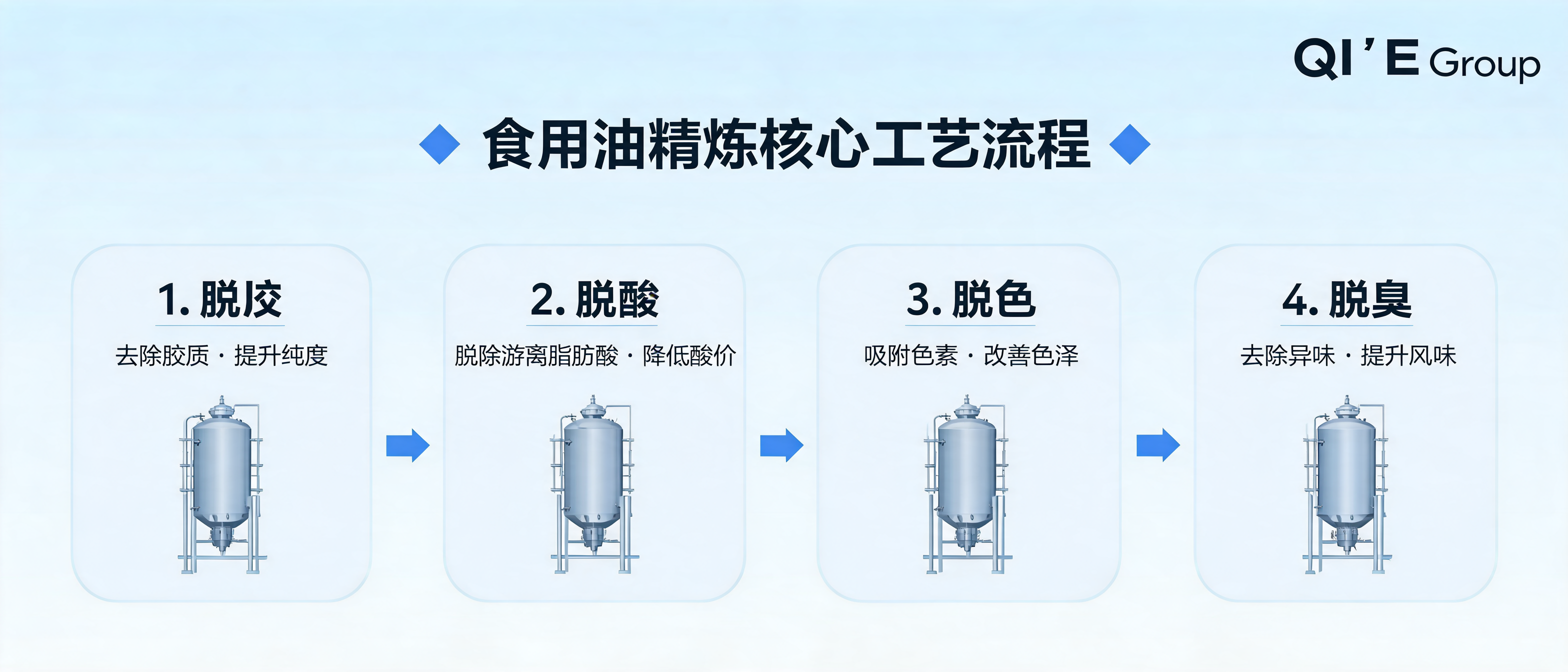
Whether further refining is needed depends on the raw oil, intended use and applicable quality requirements. Where downstream treatment is required, QIE Group’s edible oil refining equipment can be considered as a separate process stage.
Automatic functions can support repeatable operation, but they do not eliminate inspection, cleaning or maintenance. Operators should follow the equipment-specific procedures and monitor changes in feeding, load, temperature, oil drainage and cake discharge.
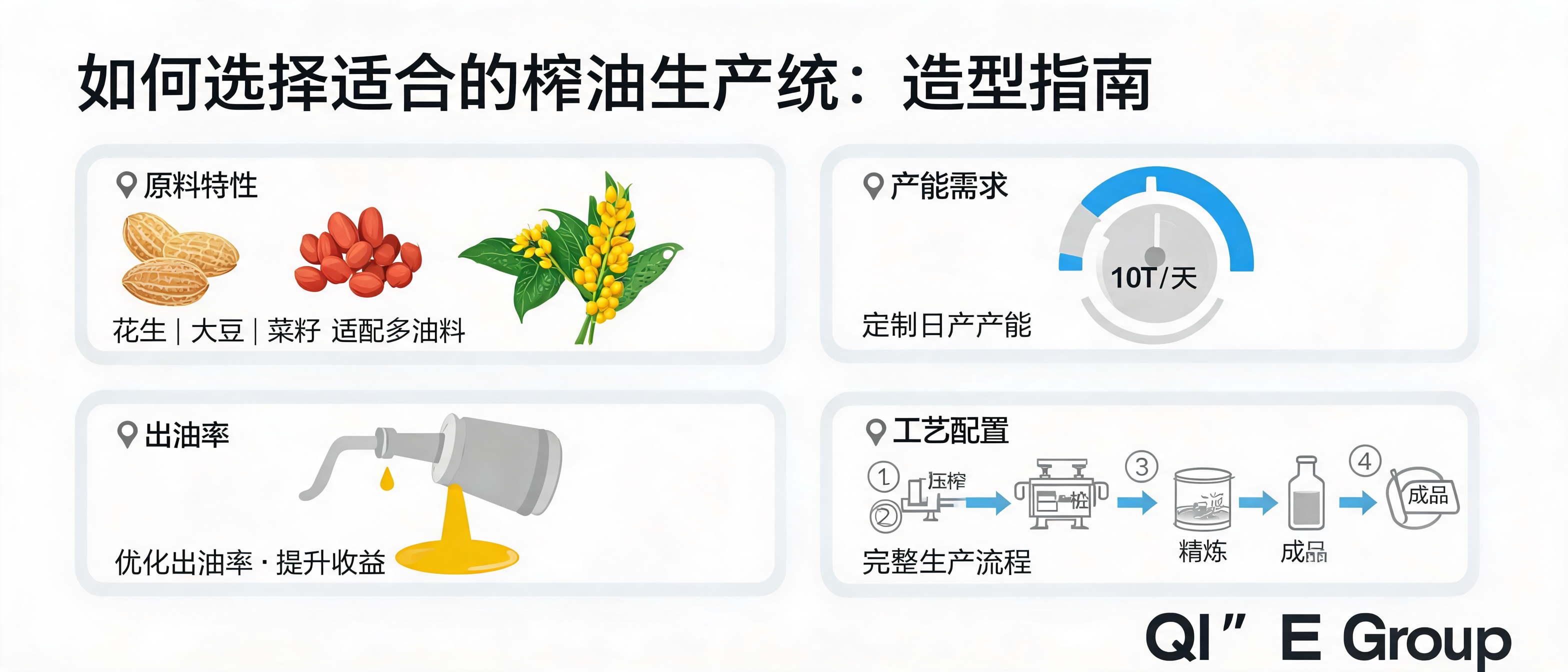
To discuss a suitable pressing configuration with QIE Group, prepare the oilseed type, available moisture and preparation information, target throughput, daily operating schedule, intended oil use, site utilities and downstream treatment needs. For an upgrade, include the existing line layout and current operating constraints.
These details provide a practical basis for reviewing automatic oil pressing equipment, pretreatment requirements, filtration and installation scope. Capacity, control functions, performance expectations and service provisions should be confirmed in the project-specific technical proposal.

 68
|
 Qi'e Grain and Oil Machinery Co., Ltd. oil processing equipment oil production line multifunctional hot and cold oil press edible oil refining equipment
 214
|
Qi'e automatic oil pressing equipment applications vegetable oil production line configuration regional oil processing requirements oil pressing automation assessment
249
|
Qi'e Grain and Oil Machinery Co., Ltd. oil processing machinery oil production line equipment hydraulic oil press edible oil refining equipment
 182
|
Qi'e Grain and Oil Machinery Co., Ltd. multifunctional screw hot and cold oil press edible oil processing line oil pressing equipment edible oil refining equipment
 225
|
QIE Group automatic oil press equipment selection oilseed processing equipment oil press capacity evaluation oil press after-sales service