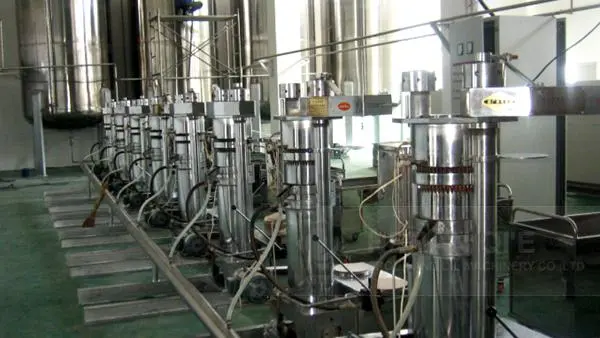
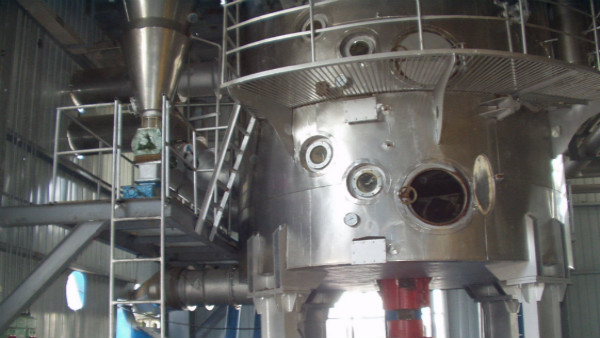
Automatic oil pressing equipment is an important part of a modern vegetable oil production line. It connects oilseed pretreatment, controlled pressing and filtration into a coordinated process that can be configured for different feedstocks, production capacities and finished-oil requirements. QIE Group provides oil pressing equipment and integrated project support for oilseed processing applications in Asia, Africa and South America.
An automatic oil pressing system is not simply a single press. In an integrated configuration, equipment is arranged around the material flow so oilseeds can be prepared before pressing and crude oil can be handled after extraction. This approach helps processors evaluate the full production route rather than selecting equipment only by press capacity.
Suitable for projects that require an organized sequence from raw-material receiving and cleaning through pressing and filtration.
Can be considered as a core mechanical section within vegetable oil production lines, with downstream refining equipment evaluated separately where required.
Applicable when an existing oil mill needs a more consistent material-handling sequence, additional pressing capability or improved operational coordination.
QIE Group oil pressing equipment can cover key stages of oilseed handling and pressing. The actual process arrangement should be selected according to the feedstock characteristics, target oil, local operating conditions and project objectives.
| Process Stage | Role in the Production Line |
|---|---|
| Storage and Feeding | Supports orderly handling of incoming oilseeds before processing. |
| Cleaning and Destoning | Removes selected impurities and stones as part of feedstock preparation. |
| Crushing and Conditioning | Prepares material for the pressing stage according to process requirements. |
| Mechanical Pressing | Uses press equipment designed for stable operation and substantial material throughput. |
| Filtration | Handles crude oil after pressing before the next process step or further treatment. |
Automation is best understood as a project-specific configuration rather than a fixed label. Depending on the production line design, automatic oil pressing equipment may coordinate material transfer, feeding, pressing and related process operations. The appropriate automation level should be evaluated against operating needs rather than assumed from equipment type alone.
Across global oilseed processing markets, plant owners increasingly assess pressing equipment as part of an integrated system. The direction of development is toward better coordination between pretreatment and pressing, practical energy use, stable operation and equipment layouts that are easier to adapt to local production conditions.
Practical planning principle: production performance and investment return should be verified for each project. Feedstock quality, process design, operator practice, utilities and local service conditions all affect the final operating outcome of an automatic oil pressing line.
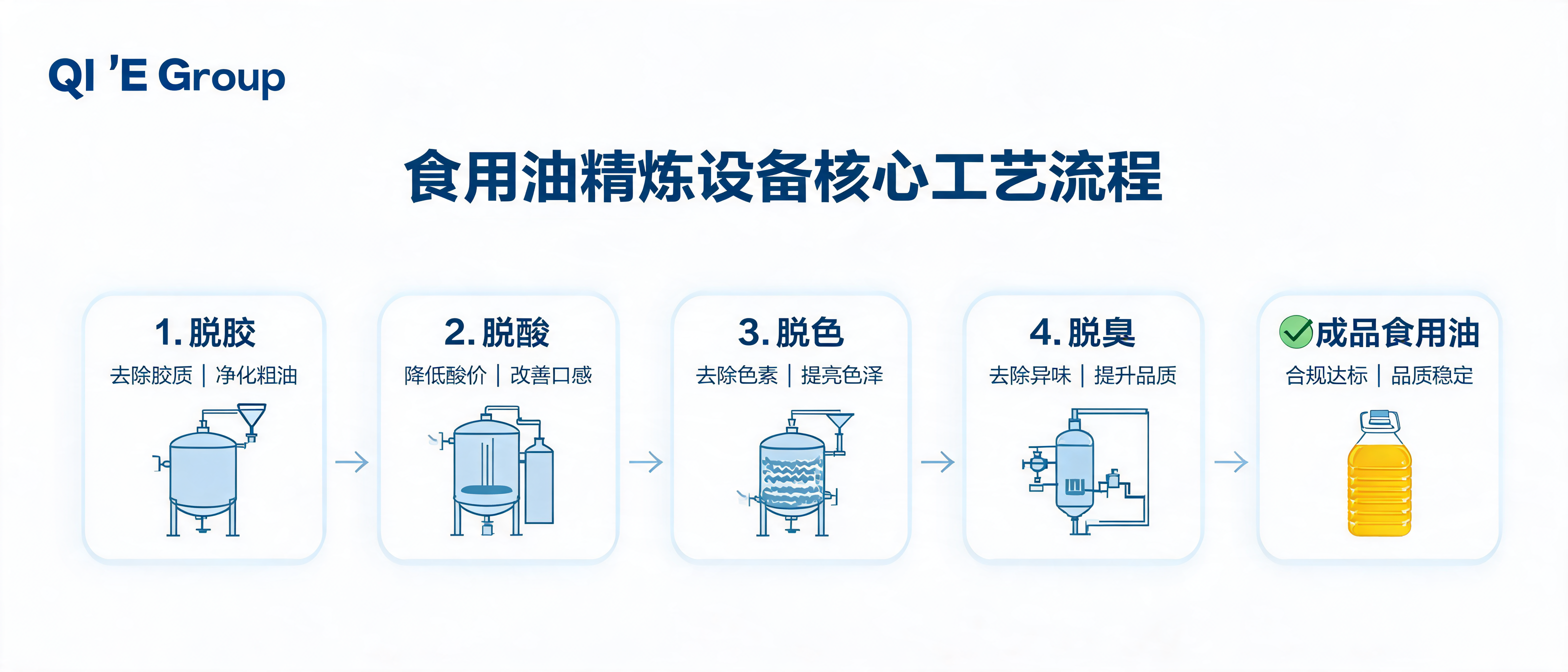
QIE Group develops, manufactures and supplies oil pressing equipment, oil production line equipment and edible oil refining equipment. Its pressing solutions are designed for animal and vegetable oil processing applications, with attention to efficient, safe and environmentally conscious equipment design.
The company’s oil pressing equipment is produced in accordance with the ISO9001:2000 quality management system standard and incorporates multiple national patents. Beyond machinery supply, QIE Group can provide coordinated support from process and equipment planning through installation, technical assistance and after-sales service.
The most suitable oil pressing solution is determined by the relationship between raw material, process route, automation requirement, capacity and local operating conditions.
For a new vegetable oil production line, an expansion project or a pressing-section upgrade, QIE Group can assess equipment configuration based on the intended feedstock, processing route, capacity requirement, oil quality objective, energy conditions and local service needs. This project-based approach helps align automatic oil pressing equipment with practical processing requirements.

 495
|
 Qi'e Grain and Oil Machinery Co., Ltd. edible oil processing line oil pressing equipment selection vegetable oil solvent extraction equipment edible oil refining equipment
 396
|
Qi'e Grain and Oil Machinery Co., Ltd. grain and oil machinery equipment oil processing solution oil production line hydraulic oil press
 169
|
Qi'e Grain and Oil Machinery edible oil processing equipment oil pressing production line vegetable oil solvent extraction edible oil refining equipment
335
|
oil press machine purchasing mistakes edible oil equipment selection actual oil production capacity oil mill equipment supplier evaluation Qi'e Grain and Oil Machinery Co., Ltd.
 321
|
Qi'e Grain and Oil Machinery grain and oil processing equipment multifunctional hot and cold screw oil press edible oil refining equipment oil production line solutions