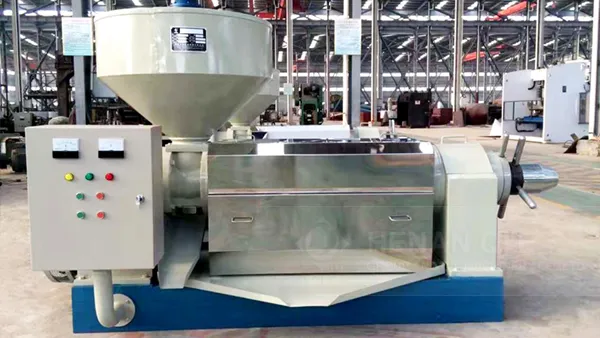
Selecting automatic oil pressing equipment starts with the raw material, required throughput and intended use of the oil—not the automation label alone. A suitable configuration must also match the utilities, operating skills and maintenance resources available at the production site.
QIE Group, Qi'e Grain and Oil Machinery Co., Ltd., supplies oil pressing equipment and supporting production lines for oilseed processing businesses, agricultural processors and edible oil producers. Its services include design, installation, technical support and after-sales service, with markets across Asia, Africa and South America.
What does “automatic” mean for your project? Automation may cover an individual press, selected processing stages or a coordinated production line. The control scope, operator responsibilities and supporting equipment should be defined in the project specification rather than assumed from the product name.
Oil pressing requirements differ between businesses selling crude oil, producers supplying refined edible oil and processors preparing oil for further industrial use. The end product determines which stages belong in the equipment scope.
| Application | Primary selection questions | Configuration implications |
|---|---|---|
| Agricultural and oilseed processing | Which oilseeds are available, in what condition, and on what seasonal schedule? | Coordinate storage, cleaning, preparation and pressing around the incoming material and operating schedule. |
| Edible oil production | Is the output crude oil for further processing or oil intended for a defined food market? | Assess filtration and any required refining separately from pressing, according to the target oil specification. |
| Oil for biofuel or cosmetic applications | What feedstock characteristics and downstream oil specifications must be met? | Review pretreatment, oil quality and downstream processing before confirming suitability. A press alone does not establish end-use compliance. |
This page focuses on oilseed pressing. Animal-fat processing and other extraction routes require a separate process assessment.
QIE Group's oil pressing equipment scope covers oilseed storage, screening, destoning, crushing, conditioning, pressing and filtration. The required stages and their operating conditions depend on the material and process route; not every project needs the same arrangement.
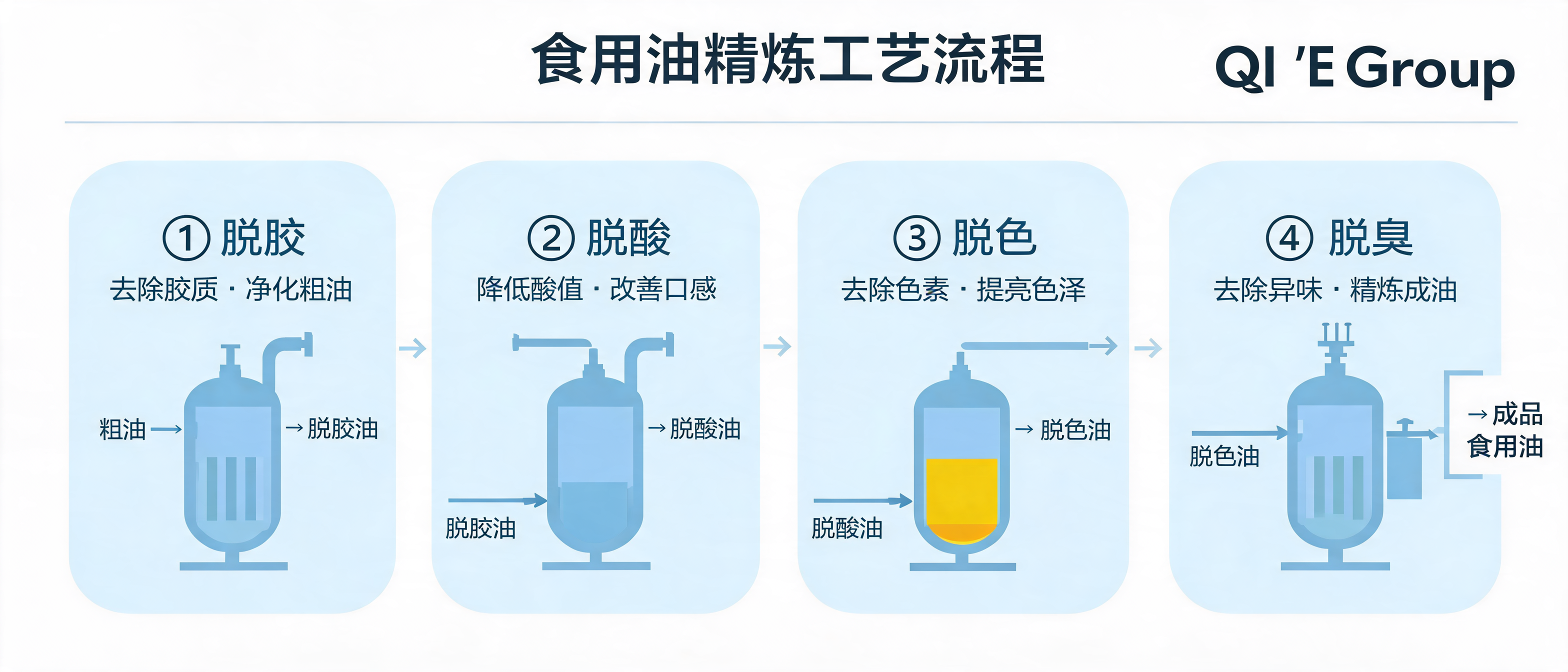
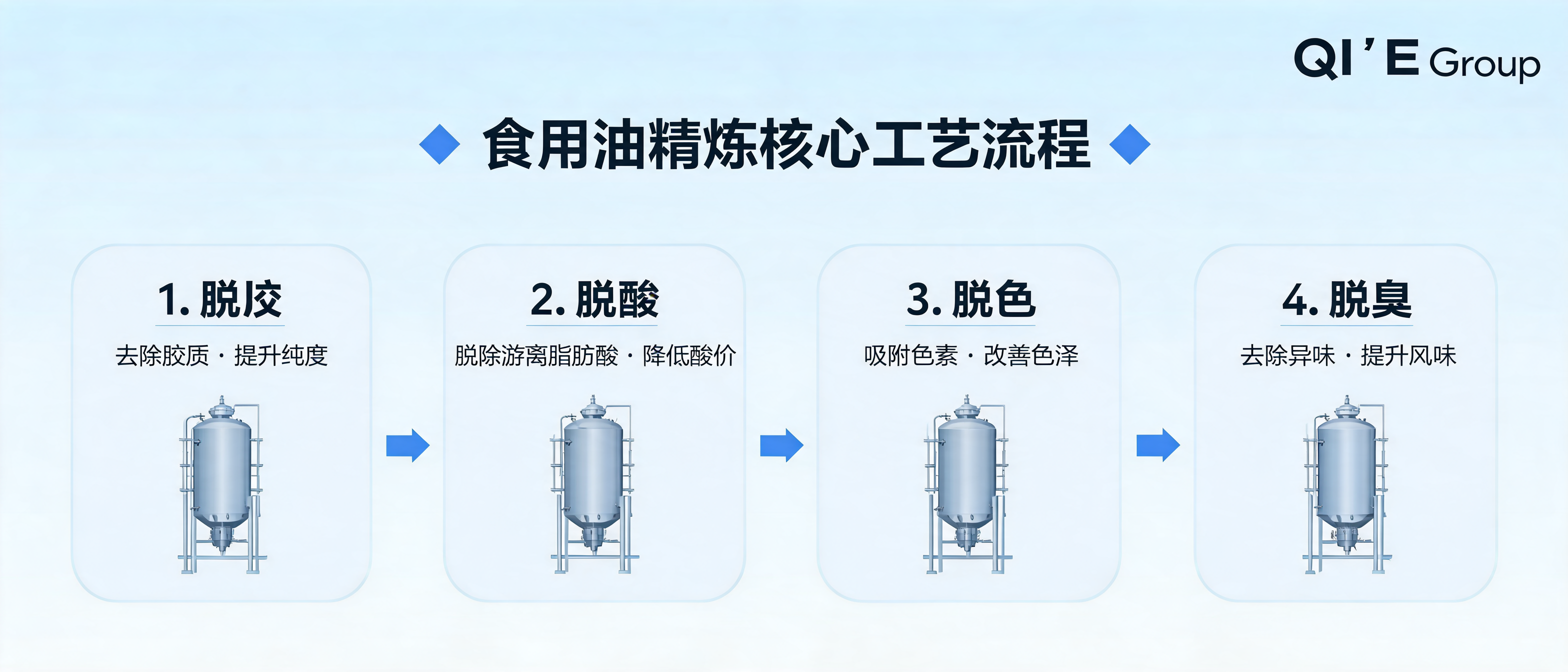
Pressing, filtration and refining perform different functions. Filtration removes suspended solids; it does not replace refining where additional oil treatment is required. QIE also supplies edible oil refining equipment for projects requiring a broader processing scope.
Automation selection should follow the actual workflow. Automating one machine does not automatically coordinate material preparation, transfer, pressing and filtration across the plant.
Consider a standalone press when adding or replacing a pressing stage within an existing operation.
Confirm: feeding arrangements, discharge handling, local controls and the tasks that remain manual.
Consider selective automation when the priority is improving coordination at particular stages or addressing a known bottleneck.
Confirm: interfaces with existing machinery, stage capacities and operator intervention points.
Assess an integrated line when planning a coordinated route from oilseed preparation through pressing and filtration.
Confirm: line balance, control boundaries, installation scope, maintenance access and operating responsibilities.
Capacity should be evaluated across the complete process, not only at the press. A restriction in cleaning, conditioning or filtration can limit overall line throughput.
QIE Group serves customers in Asia, Africa and South America. Within each region, utility conditions, feedstock supply, climate and technical resources vary considerably. Regional oil processing equipment selection should therefore be based on site-specific information.
When comparing future-ready oil production line automation, useful discussion points include process-data monitoring, parameter management, energy optimization, modular integration and remote technical support. Their value depends on the operating problem being addressed and the resources available to maintain them.
Configuration boundary: These are development directions and specification topics—not confirmed standard features of every QIE Group machine or line. Availability, compatibility, connectivity requirements and service scope must be confirmed in the technical proposal.
To discuss an oil pressing configuration with QIE Group, provide the following information:
QIE Group can use these project details to discuss equipment selection and production-line design. A clearly defined process and service scope provides a stronger basis for comparing proposals; actual output, operating costs and investment outcomes remain dependent on feedstock, configuration and site conditions.

 413
|
 Qi'e Grain and Oil Machinery Co., Ltd. edible oil processing equipment selection oil pressing production line vegetable oil solvent extraction equipment edible oil refining equipment
 130
|
Qi'e Grain and Oil Machinery Co., Ltd. edible oil production line equipment oil pressing equipment selection vegetable oil extraction equipment edible oil refining equipment
 155
|
Qi'e Grain and Oil Machinery Co., Ltd. oil processing production line oil pressing equipment edible oil refining equipment integrated oil processing solutions
 431
|
Qi'e Grain and Oil Machinery Co., Ltd. grain and oil processing equipment oil press selection oil production line edible oil refining equipment
 473
|
Qi'e Grain and Oil Machinery Co., Ltd. edible oil processing equipment edible oil production line oil pressing equipment edible oil refining equipment