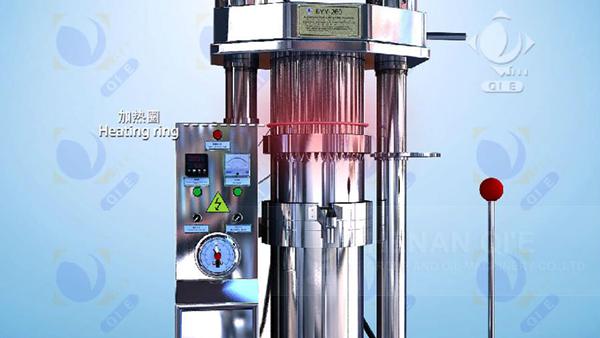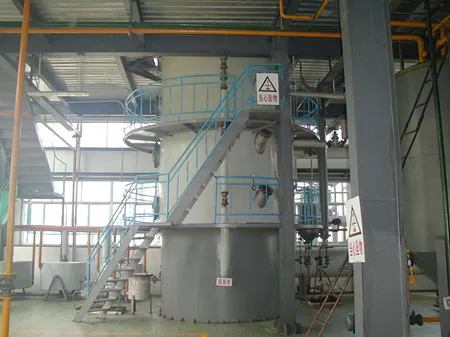
I’ve spent over a decade working directly with mid-sized spiral oil presses in Southeast Asia and Eastern Europe — not just troubleshooting, but optimizing. One of the most frequent issues I see? Operators ignoring moisture levels when setting press temperatures. When moisture exceeds 8%, your current settings are likely compromising both yield and oil quality.
Water doesn’t just sit there—it absorbs heat and interferes with protein denaturation. At 8% moisture, studies show that untreated raw material can reduce oil extraction efficiency by up to 7%. Why? Because water boils at 100°C under atmospheric pressure, creating steam pockets that prevent even heat distribution across the screw chamber. This leads to uneven pressing, lower yield, and increased mechanical stress on the press.
In my experience, increasing pre-heating temperature from 75°C to 90–95°C for high-moisture feedstocks (like wet soybeans or sunflower seeds) boosts oil recovery by an average of 4.2% per batch—without damaging the oil's oxidative stability. That’s not theoretical; it’s what we measured over six months at a 5-ton/day facility in Vietnam.
Here’s how to adjust safely:
Pro tip: If your machine has an alarm system, pay attention to error codes like “E02” (overheating due to excessive moisture). It usually means your control logic isn't adapting fast enough to changing feed conditions. Resetting the PID loop with adjusted gain values often solves this within minutes—not hours.
For processors handling variable climate inputs—like monsoon-season palm kernels or humid-harvested rapeseed—this isn’t just about compliance. It’s about competitiveness. In one case, a Turkish oil mill reduced waste by 18% after implementing these adjustments. Their customers noticed cleaner oil clarity, fewer filter changes, and better shelf life.
You don’t need expensive upgrades—just smarter use of existing systems. And once you get the hang of it, you’ll be able to adapt quickly to new feedstocks or seasonal shifts without downtime.
Whether you're managing a small plant or overseeing multiple lines, mastering this simple adjustment gives you immediate ROI—from higher output to better product consistency. It also builds trust with buyers who care deeply about purity, clarity, and reliability.
Download our free “Press Temperature Check-Up Checklist” PDF—used by engineers in 30+ countries—to verify if your current setup is optimized for moisture variability.
Get the Free Checklist →
 396
|
396
|
 secondary pressing vs solvent extraction
small oil mill processing methods
screw press in oil extraction
cottonseed and peanut oil processing
residual oil rate optimization
secondary pressing vs solvent extraction
small oil mill processing methods
screw press in oil extraction
cottonseed and peanut oil processing
residual oil rate optimization
 385
|
oil press machine
oilseed processing equipment
sustainable oil extraction
turnkey oil plant solution
efficient vegetable oil production
385
|
oil press machine
oilseed processing equipment
sustainable oil extraction
turnkey oil plant solution
efficient vegetable oil production
 74
|
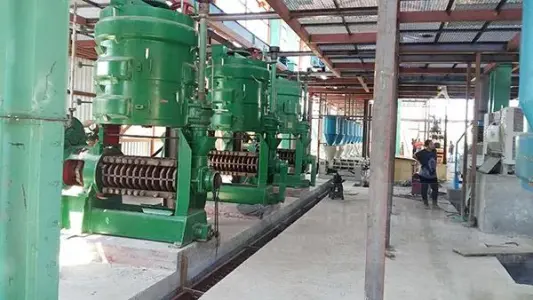
6YL - 185 Spiral Hydraulic Oil Press
Flexible Oil Processing Solutions
Professional After-Sales Support
B2B Export
Plant Oil Processing
74
|
6YL - 185 Spiral Hydraulic Oil Press
Flexible Oil Processing Solutions
Professional After-Sales Support
B2B Export
Plant Oil Processing
 429
|
Multifunctional Spiral Hot And Cold Oil Press
Spiral Oil Press for Nutrient Retention
High Efficiency Spiral Oil Press
Durable Spiral Oil Extraction Machine
Cold and Hot Press Oil Extraction
Versatile Oil Press for B2B Markets
Precision Engineering Oil Press
Eco-Friendly Spiral Oil Press
Industrial Oil Production Equipment
429
|
Multifunctional Spiral Hot And Cold Oil Press
Spiral Oil Press for Nutrient Retention
High Efficiency Spiral Oil Press
Durable Spiral Oil Extraction Machine
Cold and Hot Press Oil Extraction
Versatile Oil Press for B2B Markets
Precision Engineering Oil Press
Eco-Friendly Spiral Oil Press
Industrial Oil Production Equipment
 278
|
Large Screw Press
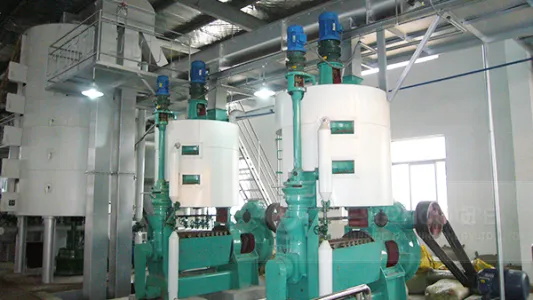
ZY24 (202-3) Large Screw Press
Petroleum equipment Large Screw Press
High efficiency Large Screw Press
Durable Large Screw Press
Versatile Large Screw Press
Energy-saving Large Screw Press
Oil quality with Large Screw Press
Automatic control Large Screw Press
278
|
Large Screw Press
ZY24 (202-3) Large Screw Press
Petroleum equipment Large Screw Press
High efficiency Large Screw Press
Durable Large Screw Press
Versatile Large Screw Press
Energy-saving Large Screw Press
Oil quality with Large Screw Press
Automatic control Large Screw Press







.jpg)